

Magazine
After a Decade of Waiting, Our Miracle Finally Arrived
Rabbi Elran and Ziva Monsengo share their incredible journey of faith and perseverance through years of childlessness. Discover how they held hope against medical advice and the unexpected joy that filled their lives.
- Moriah Luz
- | Updated
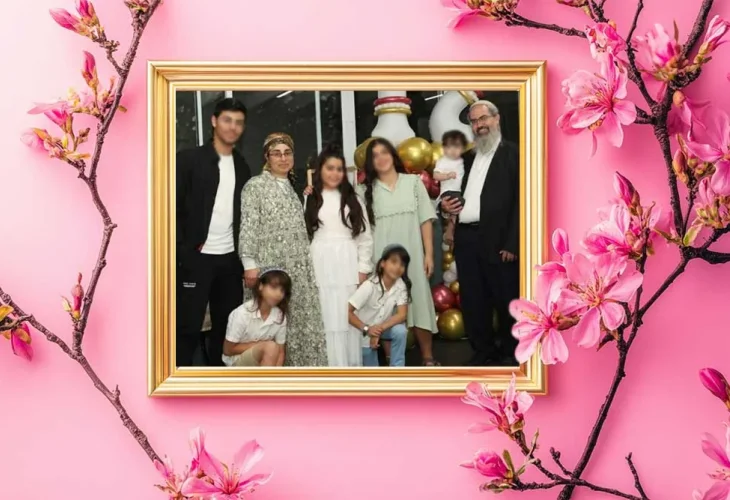 Pictured: The Monsengo Family
“We got married young, so when a year passed without children, we weren’t too worried,” Ziva Monsengo recounts. “Two years in, while couples around us were starting families, we began to realize we might be facing something unusual. Even then, I remained calm. We started a series of tests, and after three years of investigations, doctors assured us that natural conception was still possible.”
Rabbi Elran and Ziva Monsengo now reside in Shoham. Rabbi Elran serves as the rabbi of the Zachor LeAvraham community, while Ziva works in writing, and both are actively involved in religious life in their area. After many years of waiting, they were blessed with children. In this interview, Ziva opens up about their painful and prolonged struggle.
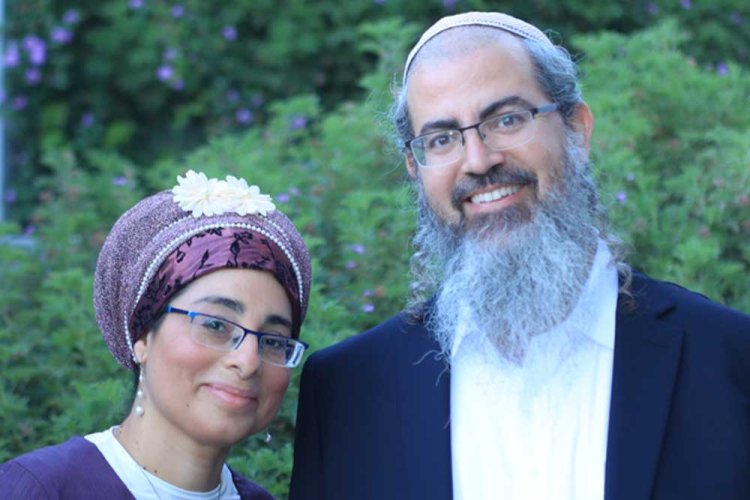 Rabbi Elran and Ziva Monsengo
Making an Effort
How long did you wait for children?
“After seven years of marriage, still childless despite optimistic evaluations, we sought counsel with Rabbi Mordechai Eliyahu, of blessed memory. He blessed us and said, ‘Do your part and pursue treatments, but remember, Hashem’s salvation can happen in the blink of an eye.’”
Ziva explains that Rabbi Eliyahu supported them throughout the process, emphasizing that phrase repeatedly. She notes that more than twenty years ago, fertility treatments were far less advanced and success rates were much lower.
At the time, they lived near the Kedumim Yeshiva, where Rabbi Elran studied before their marriage. Their neighborhood was filled with young couples and families with many children.
What were those years like for you?
“Naturally, I’m a social person, and connections were vital to me. Although there were times I felt like withdrawing, I quickly realized solitude led to depression. We tried to stay engaged and make friends.
“The challenge was in conversations. Mothers raising children naturally spoke about parenting, and I often felt isolated. From this painful experience, I learned to be far more sensitive to other women’s struggles.”
Ziva recalls that although they were active and connected in their community, during holidays like Simchat Torah she chose to stay home. “Simchat Torah is a children’s holiday. Dancing with them on shoulders, blessings under the tallit, candy everywhere. It was simply too painful.”
What were the reactions from those around you?
“I could write a book,” Ziva says with a half-smile. While some people were supportive and sensitive, others made tactless remarks.
She shares an example. “There’s someone in my family who bakes cakes and gifts them to female relatives. Years passed and we never received one. When I gently asked why, the reply was, ‘Better not, they might think you’re pregnant.’ That comment stayed with me.”
Another time, after their first son Yehonatan was born, someone remarked, “Good thing he looks exactly like your husband, so you know he’s really yours.” Ziva says such comments were astonishingly painful.
A Deep Connection to Hashem
Did you ever feel anger toward Hashem?
“There was no anger, but there was deep pain and many questions,” Ziva says. “I spoke to Hashem often, explaining why it would be good for me to have children, how I would raise them. Sometimes there were no words at all, just silence. A silence so deep it expressed everything.”
What gave you strength?
“I had two close friends who supported me quietly, without needing explanations. That kind of support is essential. Infertility can place enormous strain on a marriage, so having someone outside the relationship is vital.
“One friend gave me a beautifully decorated notebook and suggested I write. It became a place where I poured everything out. Every comment from doctors, rabbis, or others, whether helpful or hurtful, went into that notebook. It cleared my mind.”
Ziva also found strength in nature. “I spent time alone, wrote poetry, and prayed. Those years brought a unique closeness to Hashem. Hardship opens a deep channel of connection, though I pray no one else has to go through it.”
When the Miracle Came
Ten years into their marriage, Ziva faced a medical procedure that doctors said would permanently remove her ability to conceive naturally. “I couldn’t accept it,” she says. They consulted a private doctor who agreed to modify the procedure.
The follow up was delayed due to hospital renovations, and during that pause, the miracle happened. That month, Ziva conceived naturally. Their son Yehonatan was born nearly eleven years after they began waiting.
“We felt like dreamers,” she recalls. “We kept checking and rechecking, afraid it wasn’t real.”
Yehonatan was followed by four more children, born naturally. Later, at age thirty eight, Ziva again entered fertility treatments, enduring years of failed cycles and four miscarriages. Just before what doctors said was her final chance, she prayed intensely in the synagogue.
Weeks later, the treatment succeeded.
During pregnancy, doctors warned of severe complications and urged termination. Ziva refused. “To me, he was already alive.”
Their son was born early and required heart surgery. Today, nearly two years old, he is healthy, joyful, and thriving.
 Illustration
Opening a Pathway
What message do you want to share?
“First, just be our friends. Don’t define us by whether we have children."
“Be sensitive. Don’t pry or offer advice unless asked. And small gestures, a note, a gift, can mean the world if done quietly."
“To women who are waiting, I say: Hashem is all powerful. Show Him how much you desire. Make an effort. Open a pathway, and He will open the gates."
“And finally, even when a specific prayer isn’t answered yet, Hashem is still showering us with blessings. Sometimes we just need to open our eyes to see them.”
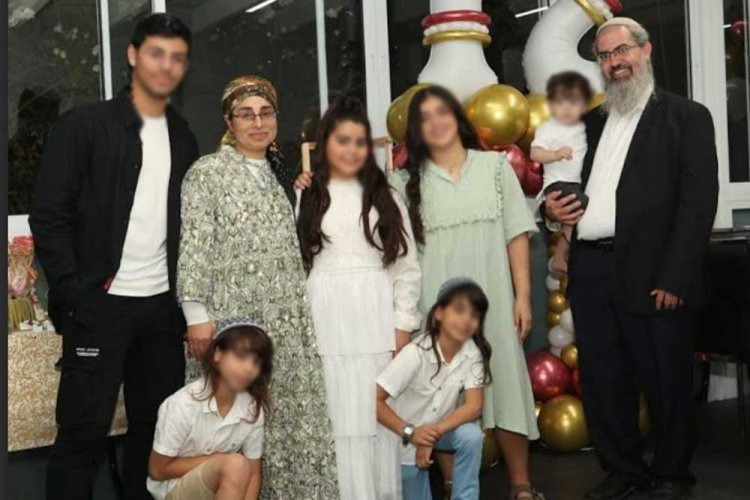 Rabbi Elran and Ziva with their children at their daughter’s bat mitzvah
