

Magazine
Building a Legacy: Where Judaica Meets Purpose
Step inside the studio of Miriam Aran, where a shared dream with her late husband lives on through handcrafted Judaica rooted in faith, intention, and enduring meaning.
- Moriah Luz
- | Updated
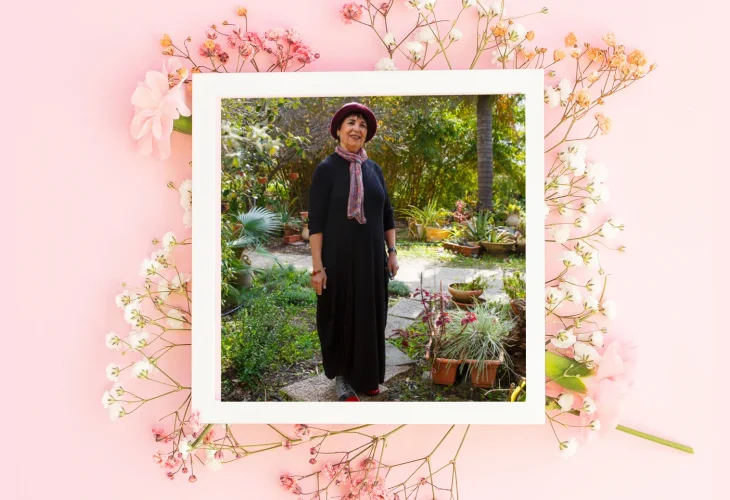 Miriam Aran (Photo: Liron Moldovan)
Visit the village of Gimzo, near Modiin, and you’ll immediately notice the unique home of Miriam Aran. Its igloo-like structures naturally draw the eye. Inside, large tables are covered with colorful threads, spinning rhythmically. This is the home where Yehuda, of blessed memory, and Miriam Aran raised their eight children, and where Miriam’s home-based business crafting unique Judaica pieces continues to flourish to this day.
Yehuda passed away three years ago after a brief battle with cancer. With remarkable strength, Miriam carried on managing the business after his passing.
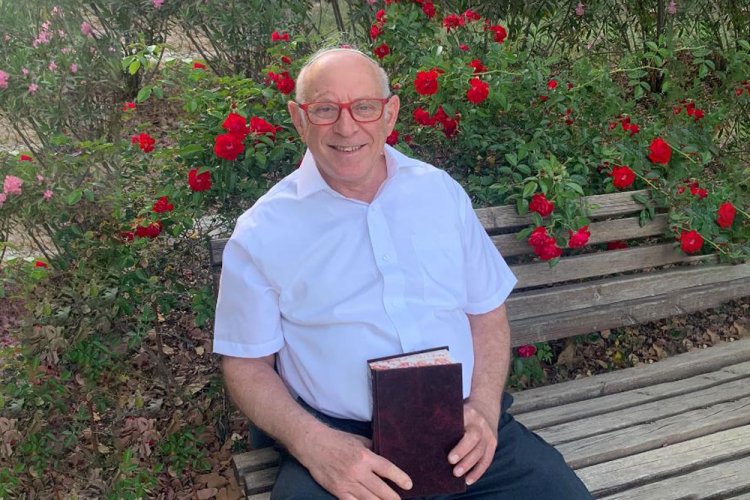 Yehuda Aran, of blessed memory
![Miriam and Yehuda Aran (Photo: Baruch Greenberg)]() Miriam and Yehuda Aran (Photo: Baruch Greenberg)
Miriam and Yehuda Aran (Photo: Baruch Greenberg)
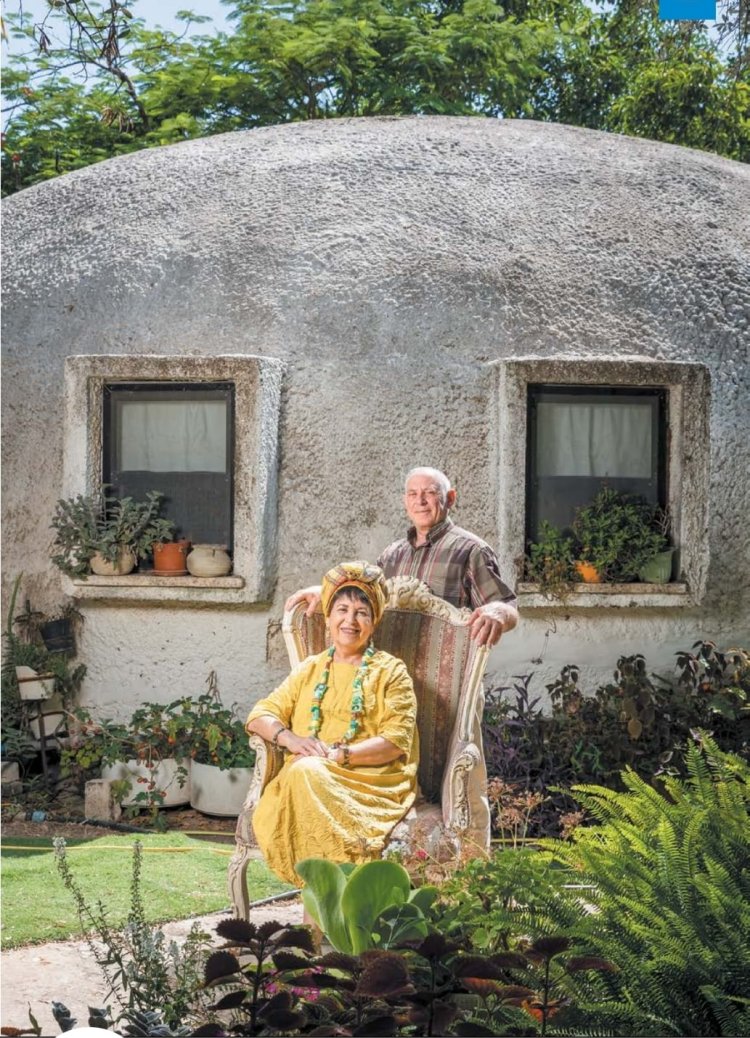 Miriam and Yehuda Aran (Photo: Baruch Greenberg)
![(Photo: Liron Moldovan)]() (Photo: Liron Moldovan)
(Photo: Liron Moldovan)
 (Photo: Liron Moldovan)
Endless Inspiration
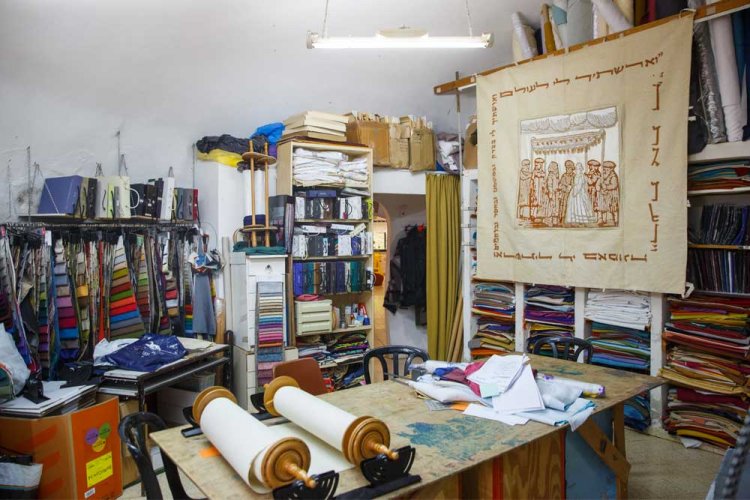
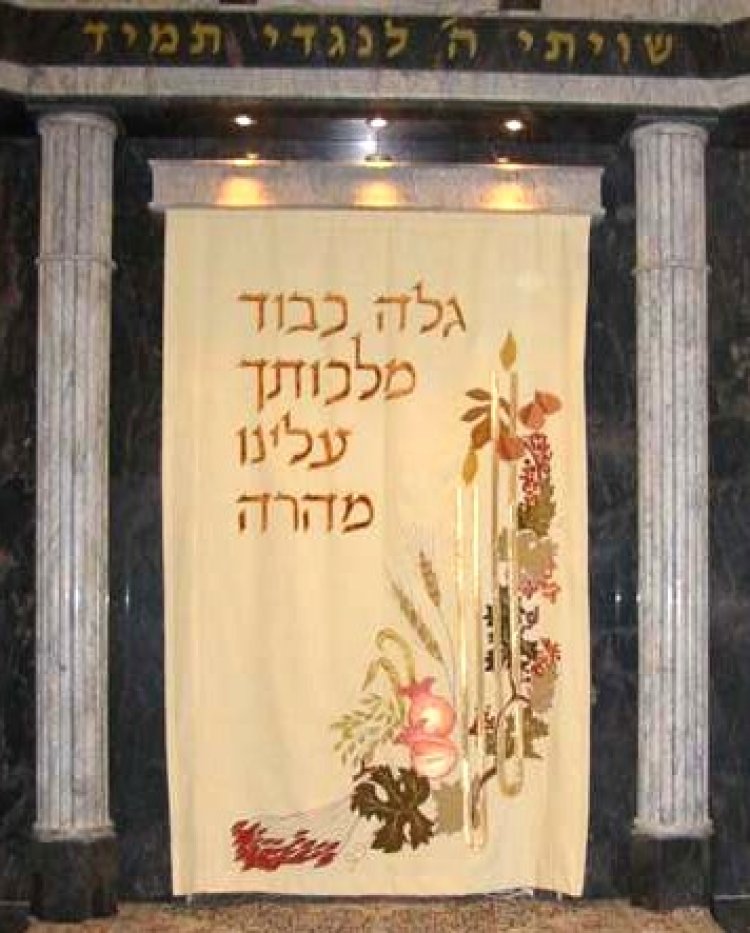
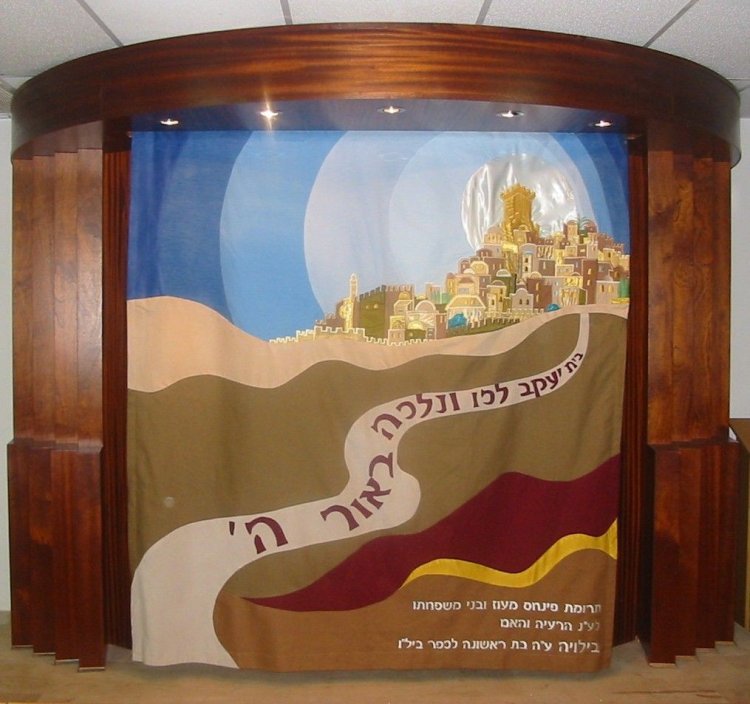
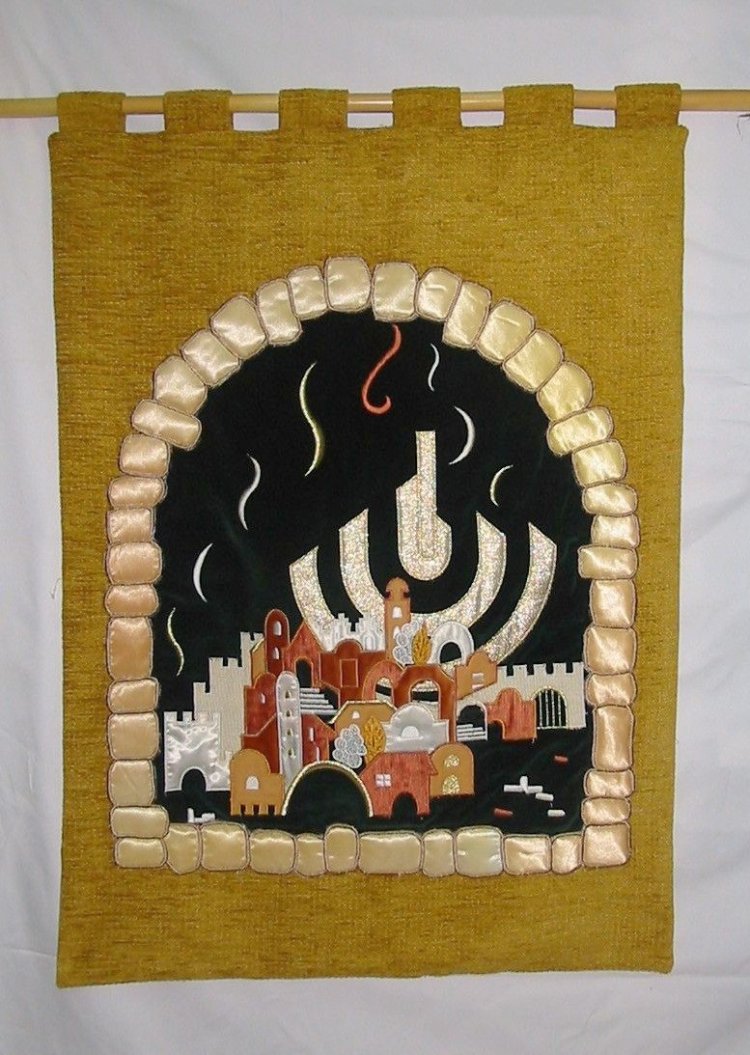
The tall walls of the house are adorned with embroidered fabrics, featuring quotations paired with matching illustrations. One such quote is from Bavli Bechorot: “The high one should not marry a high one, lest they produce a mast. The dwarf should not marry a dwarfess, lest they produce dwarfish offspring.”
Miriam smiles. “It’s a bit whimsical. Years ago, I was asked to decorate our community center for a women’s evening, and this text inspired a wall tapestry with small figures.”
You were pioneers in personalized Judaica design. How did you get into it?
“I’ve run this Judaica embroidery business for 37 years, but I stumbled into this niche by chance,” Miriam shares. “I always loved art and studied graphics and sculpture in high school. Discovering the Tanach and rabbinic literature was transformative for me, even though I was religious from birth. I wanted my children to connect with these stories.”
At the time, suitable weekly Torah portion books were hard to find, so Miriam began creating her own illustrations.
Who came up with your home's unique design?
“That was a whim of youthful creativity,” Miriam laughs. “We once saw a house in a city, knocked on the door, and asked to see inside. It simply felt ‘cool’ to us.”
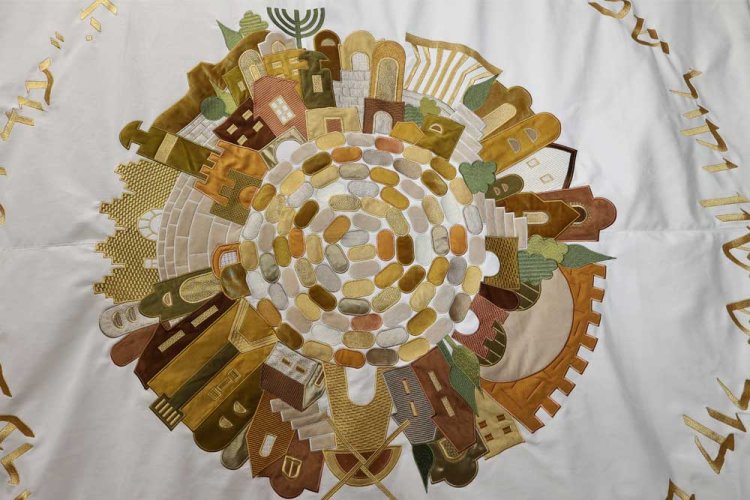
The high ceilings caused echoes, so Miriam hung embroidered fabrics to absorb the sound. Visitors were so impressed that they encouraged the couple to sell them. When Yehuda left his job, they officially founded their business, Shesh Mashzar.
Is that how the business began?
"Yes, it was a mix of miracles, hard work, and divine help," Miriam admits. "Our first client trusted me to create an ark curtain even though I had no portfolio, but gaining additional clients required effort." They advertised in synagogue bulletins and traveled to sell their work at home shows.
 (Photo: Dudi Lazar)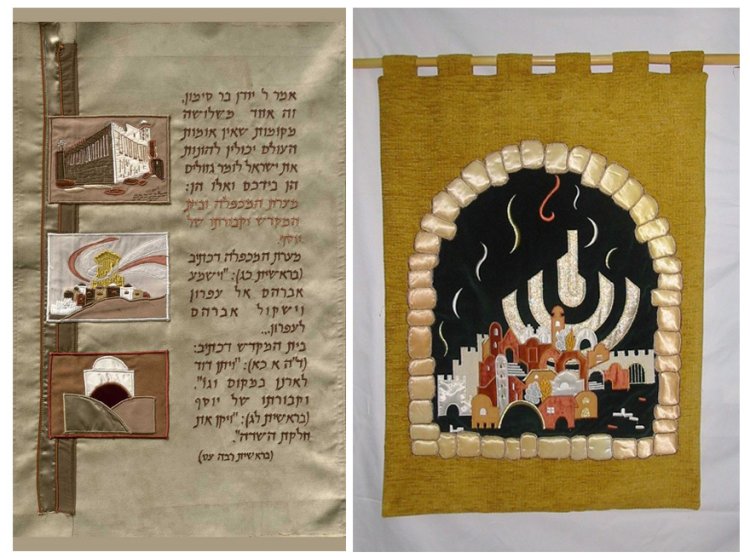
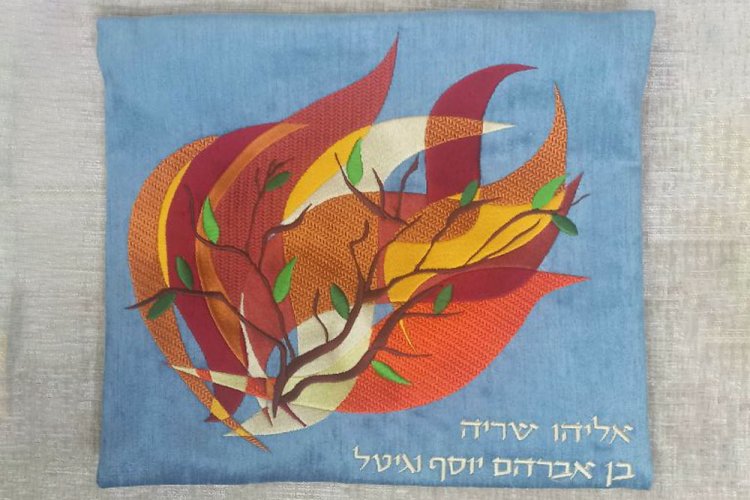 Tallit Bag
"You Should Return Home"
At one point, the couple tried marketing their work in the United States. “We packed our items and flew over,” Miriam recalls. The style, however, felt too Israeli for the local audience. One woman gently suggested they return to Israel, where their aesthetic would resonate more.
“We sold almost nothing,” Miriam says, “but we returned with clarity about our niche: people who value the beauty of mitzvot.”
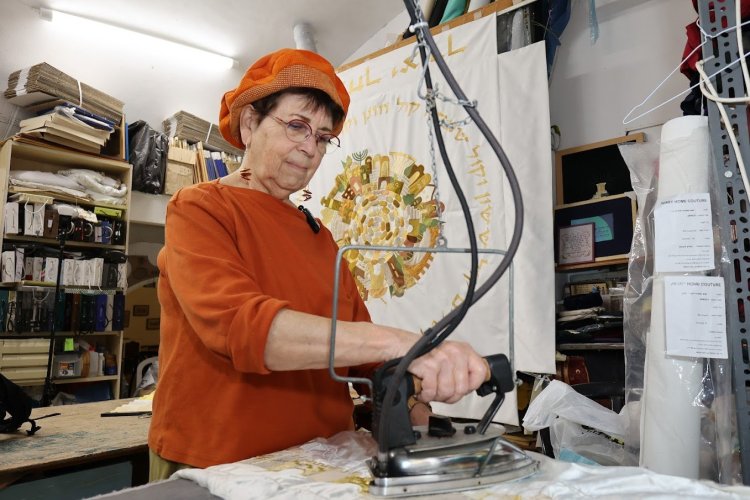 Miriam in her studio (Photo: Dudi Lazar)
![Working in the studio (Photo: Liron Moldovan)]() Working in the studio (Photo: Liron Moldovan)
Working in the studio (Photo: Liron Moldovan)
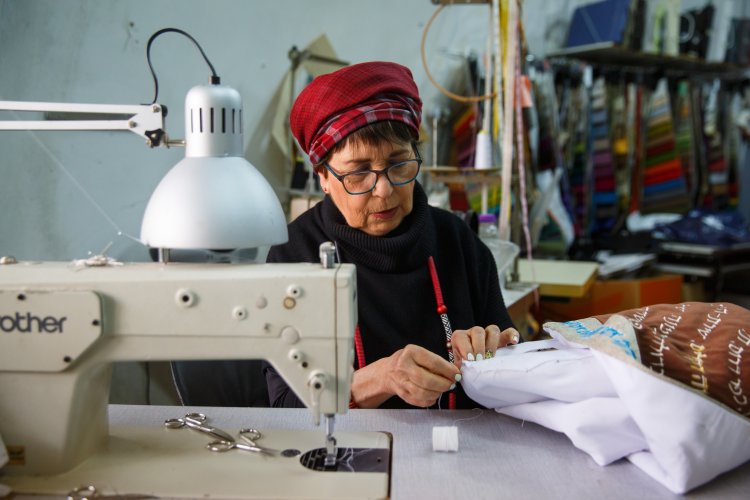 Working in the studio (Photo: Liron Moldovan)
![(Photo: Liron Moldovan)]() (Photo: Liron Moldovan)
(Photo: Liron Moldovan)
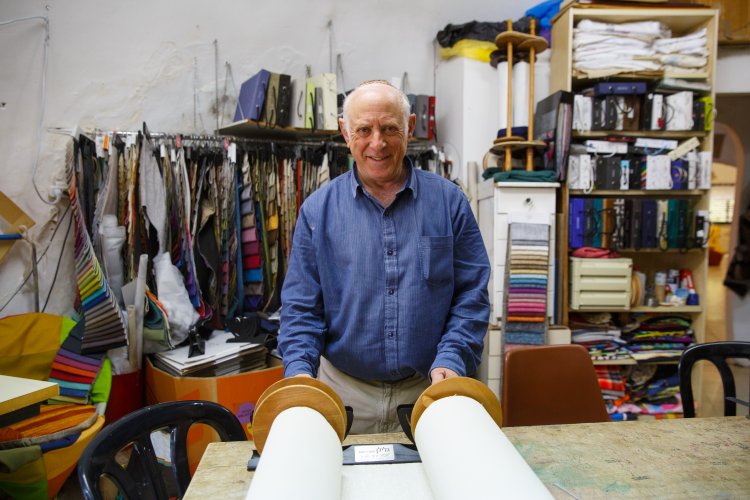 (Photo: Liron Moldovan)
"For People to Understand Their Words"
During Sukkot, Miriam once saw a father balancing his son and a lulav. That moment inspired her to create a shoulder bag designed for carrying an etrog. To help with counting the Omer, she later crafted a magnetic board marked with the days, reshaping how many women experienced the mitzvah.
Miriam believes Judaica should convey more than labels. A tallit bag should not simply say “tallit.” Instead, she prefers meaningful inscriptions, such as the teaching from Pirkei Avot:
“Be bold as a leopard… to do the will of your Father in Heaven.”
Always Room for Improvement
In the early years, Miriam asked her husband for a studio even before fully knowing where her path would lead. Having a dedicated space spared her from constantly hiding materials from the children. Handcrafting was demanding, requiring long hours and careful work, even during pregnancies. Along the way, supportive clients made a difference, including a carpenter who built her first worktable.
Did you love the outcomes of your efforts?
“I was never fully satisfied,” Miriam admits. “Only in retrospect do I see how the imperfect, hand-stitched pieces were uniquely beautiful, even if they lacked the precision of today’s digital creations.”
Now a great-grandmother, Miriam continues working in her studio. At times, she repairs pieces created decades ago, preserving not only the craft but also her husband’s memory and their shared dream. Her ultimate hope is that future generations will continue to uphold the values that shaped their life’s work.

