

Magazine
Honoring the Fallen: One Vehicle at a Time
Led by Yossi Aharon, a volunteer initiative restores the personal vehicles of fallen IDF soldiers, transforming them into moving memorials of honor, memory, and legacy.
- Michal Arieli
- | Updated
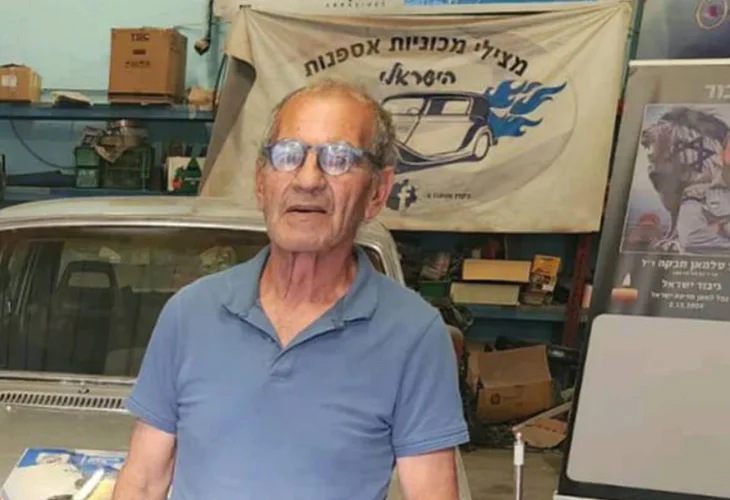 Yossi Aharon
If you’ve traveled the roads of Israel, you may have noticed cars bearing the logo “Restored in Memory of an IDF Fallen Soldier.” Some look like any other vehicle on the road. Others are vintage cars that once belonged to soldiers who fell decades ago, now adorned with Israeli flags, photographs, and personal stories.
Each vehicle is different, yet all share one bond: they have been lovingly restored by Yossi Aharon and the Israeli Collector Car Rescuers Association, dedicated to giving new life to the vehicles of Israel’s fallen heroes.
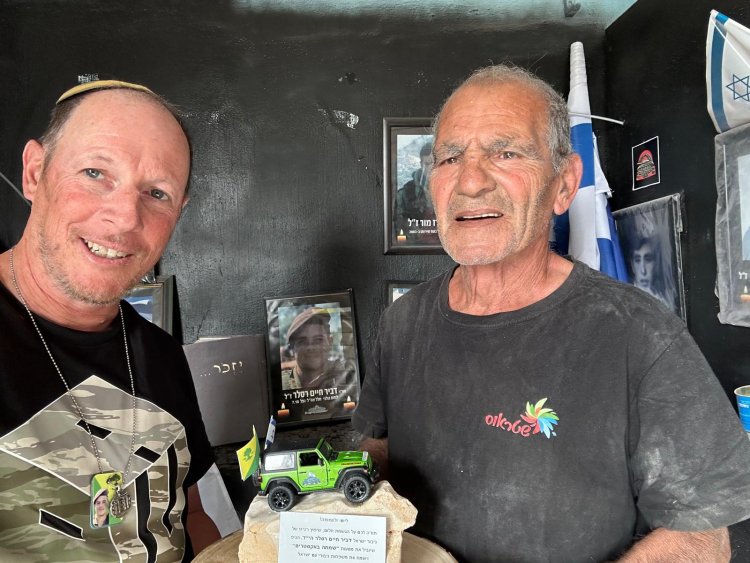
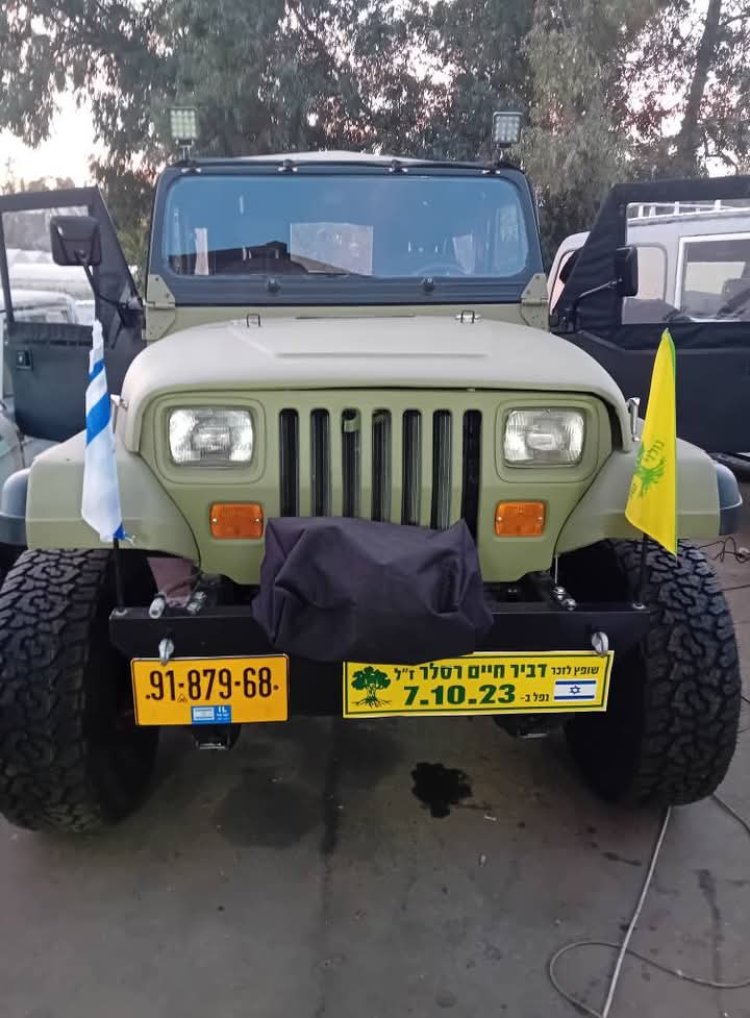 The restored vehicle of Dvir Haim z"l
![Dvir Haim z"l]() Dvir Haim z"l
Dvir Haim z"l
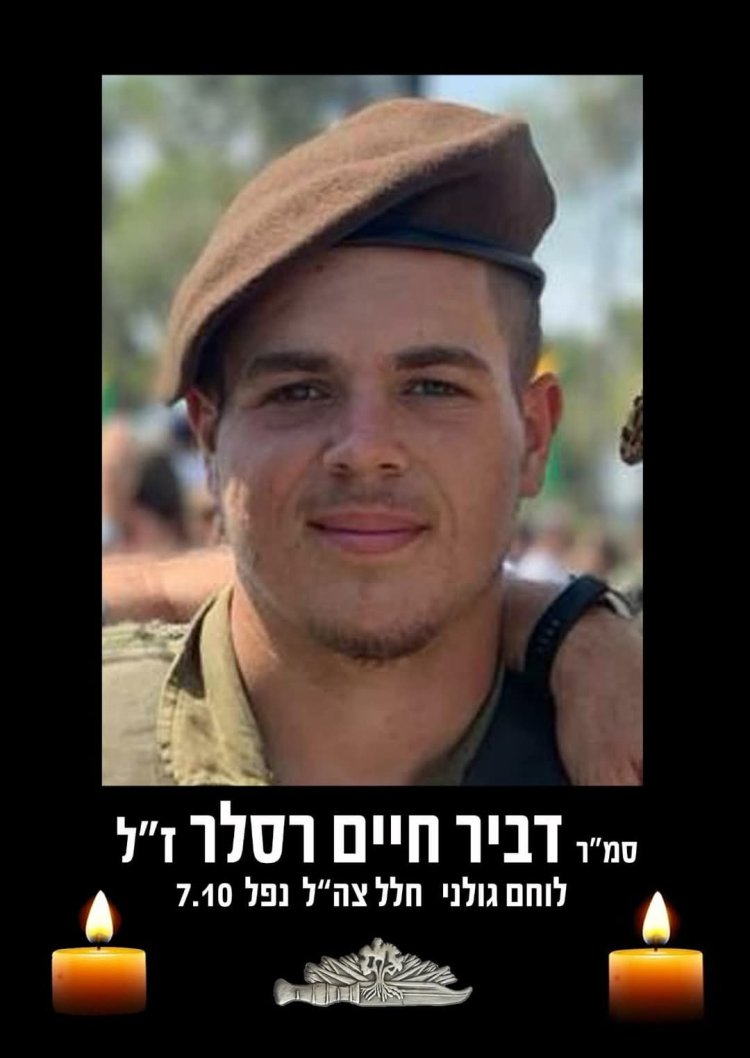 Dvir Haim z"l
Memorials on Wheels
Yossi Aharon, a retiree who previously worked in signage, served as a soldier in the Yom Kippur War at the age of 19, fulfilling a special parachuting role in the Suez Canal.
“At one point during the war, I found myself wounded and alone,” he recounts. “But by Hashem’s grace, I survived and fully recovered. I’m not recognized as a disabled veteran or part of a bereaved family. I act as a civilian with a moral duty to IDF fallen soldiers and our security forces.”
For the past seven years, that duty has taken the form of restoring the vehicles of fallen soldiers.
“It may sound technical and simple because a vehicle is tangible,” he explains, “but it’s far more than that. From the families, I see how meaningful these cars are. Often, the vehicle was their child’s sole possession, a constant companion, sometimes even part of his final journey.”
Turning Cars into Living Memorials
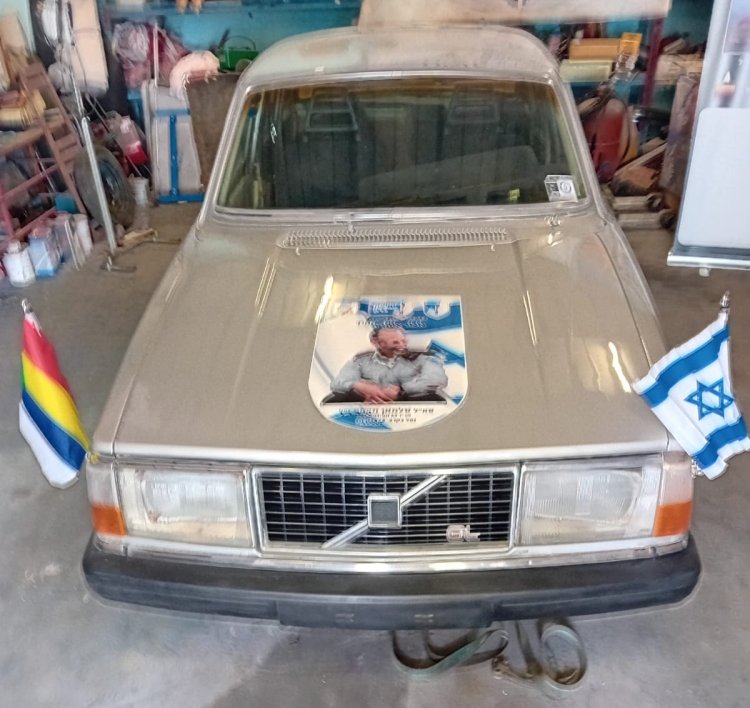
“When I began restoring these vehicles, my goal was to fully refurbish them so they could return to the road,” Aharon says. “Each one becomes a mobile memorial, featuring the fallen soldier’s photo and custom graphics chosen by the family. As the car travels across the country, people learn about him and remember.”
At first, requests came mainly from families of soldiers who fell many decades ago.
“Families from the Yom Kippur War contacted us. Some had preserved their son’s car for over 50 years without touching it. The vehicles arrived in catastrophic condition and required extensive work. Others brought us old motorcycles.”
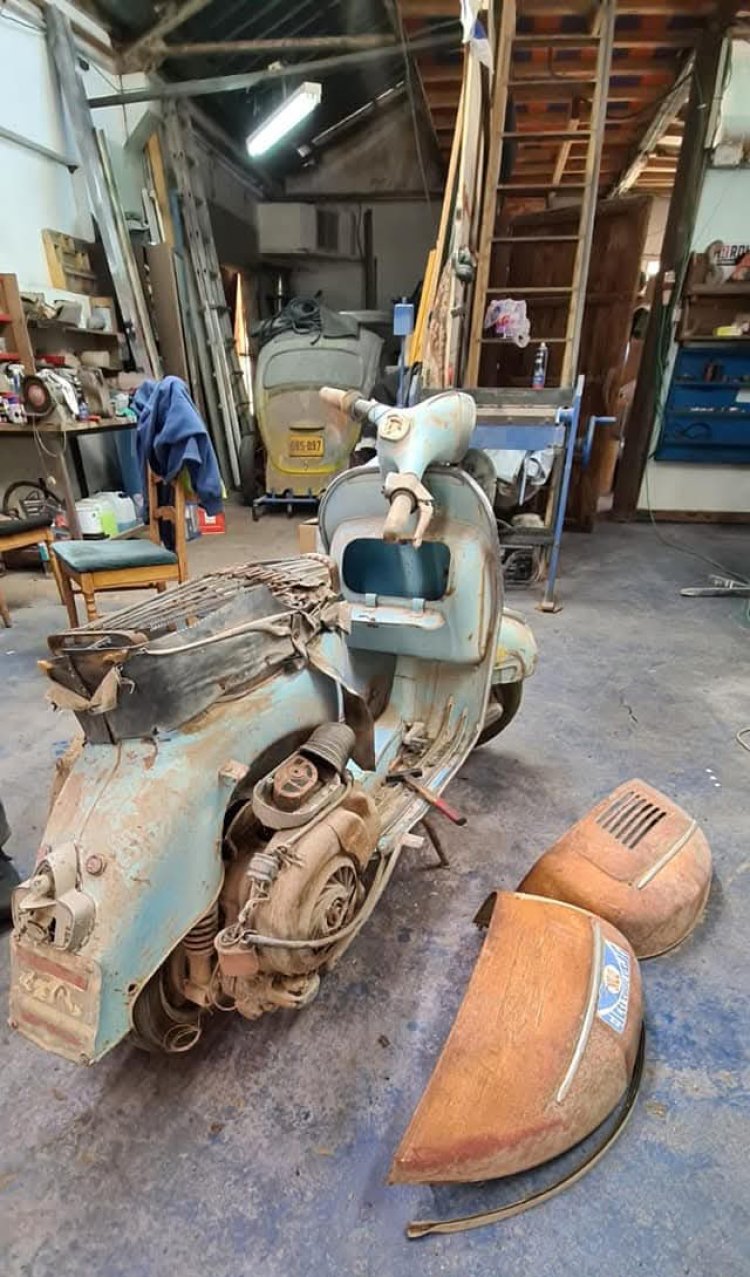
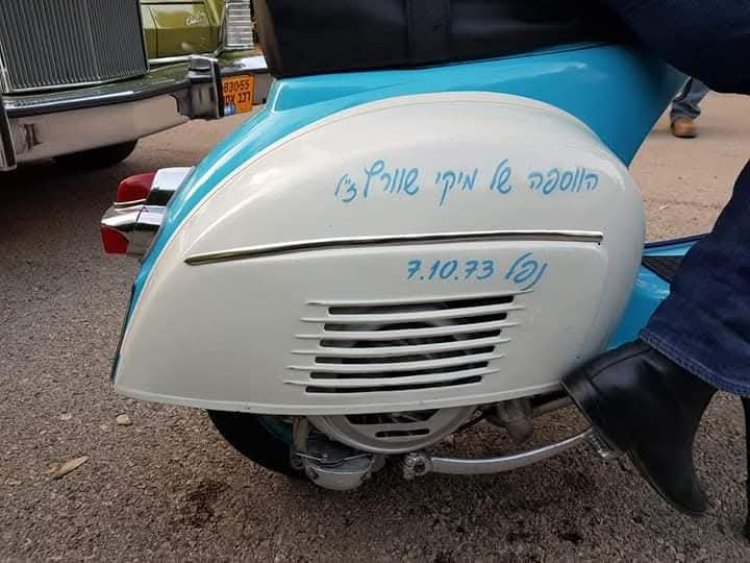 After restoration
Aharon pauses. “We felt it was a great privilege to say, ‘Why let them remain untouched? Let us restore them.’ We’ve never had a vehicle we couldn’t return to the road.”
The restorations are made possible by hundreds of thousands of volunteers from Israel and abroad, including people from countries considered hostile.
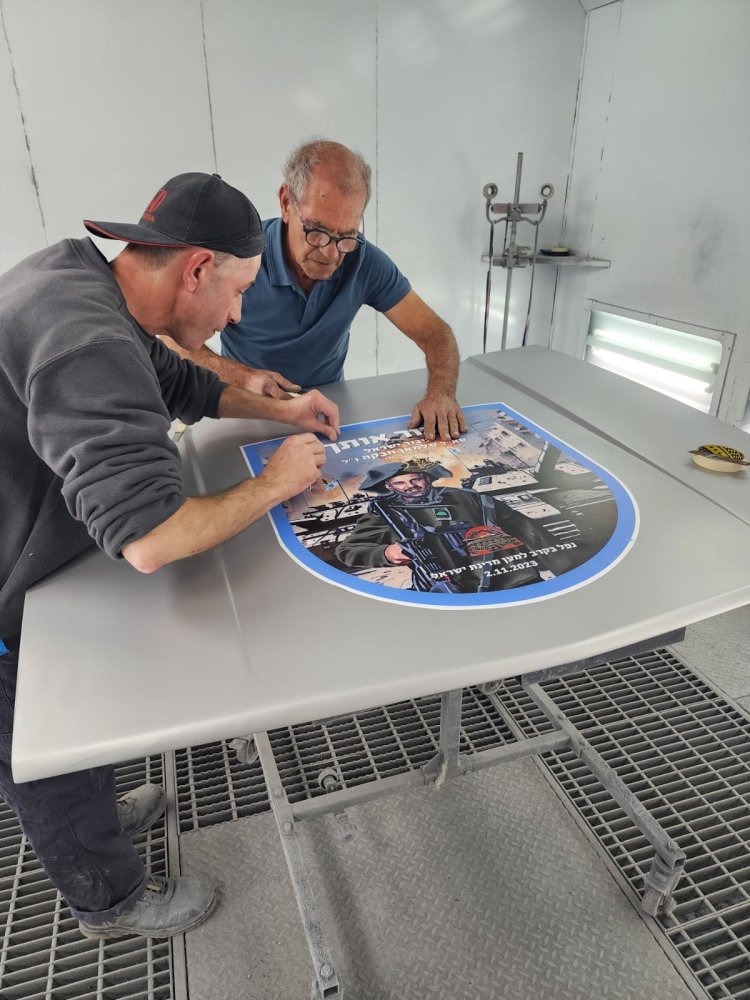
“We gather all the necessary parts and restore the vehicle to near-new condition, inside and out,” he explains. “Everything is funded by company donations. No one in the association, myself included, receives a salary. It’s all done in full volunteering spirit.”
Rebuilding Lives Along the Way
The technical work is carried out with the help of at-risk youth, who learn professional skills alongside hearing lectures about the soldiers’ lives and values.
“These young people gain direction,” Aharon says. “We didn’t anticipate how successful this aspect would be. We’ve helped save teenagers who were far from reintegrating into society. Today, many support themselves and have completely left street life behind.”
Police officers also participate in lectures and discussions, engaging directly with the youth.
![Teenagers participating in a workshop at the garage]() Teenagers participating in a workshop at the garage
Teenagers participating in a workshop at the garage
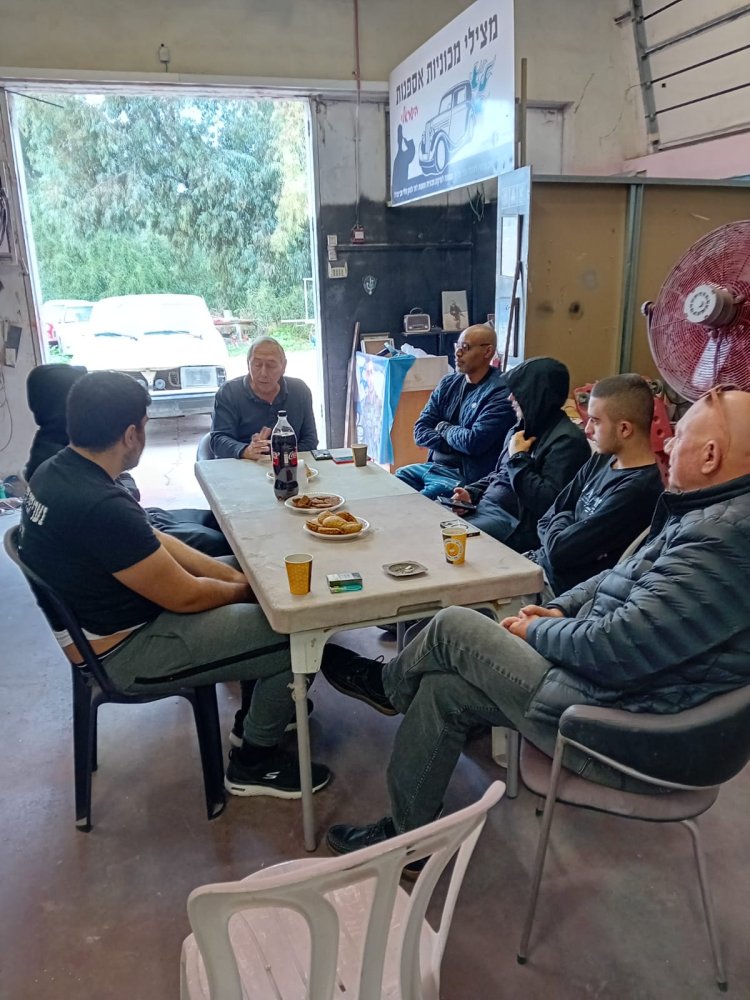 Teenagers participating in a workshop at the garage
“A Warm Embrace”
How do families react when they receive the restored vehicles?
“They’re deeply moved,” Aharon answers. “Each car is restored according to the family’s wishes. Some want a large photograph on the hood. Others prefer subtle symbols or text. Every family decides.”
Once restoration is complete, a moving handover ceremony is held.
“We often hear from families about traveling across Israel and receiving warm embraces from strangers. In seven years, not a single family has sold a restored car. Every vehicle remains a memorial.”
Aharon admits that he never imagined how quickly the need would grow.
“Within two years, about 900 more soldiers were added to the list. Over 150 families have approached us.”
Continuing the Mission
Currently, the association is restoring vehicles for soldiers who fell in the most recent war.
“One of them is Nick Beizer, who was kidnapped on Simchat Torah, tortured to death in Gaza, and later returned for burial in Israel,” Aharon shares. “His car wasn’t old, but it had many mechanical issues. We’re nearing completion and hope to hold the handover ceremony soon.”
Another motorcycle is also nearing completion, making room for additional vehicles. Many families remain on a waiting list.
“We hear their stories constantly,” Aharon says. “Stories of loss, courage, and resilience. We do everything we can not to disappoint anyone.”
![The restored vehicle of Bar Huli z"l]() The restored vehicle of Bar Huli z"l
The restored vehicle of Bar Huli z"l
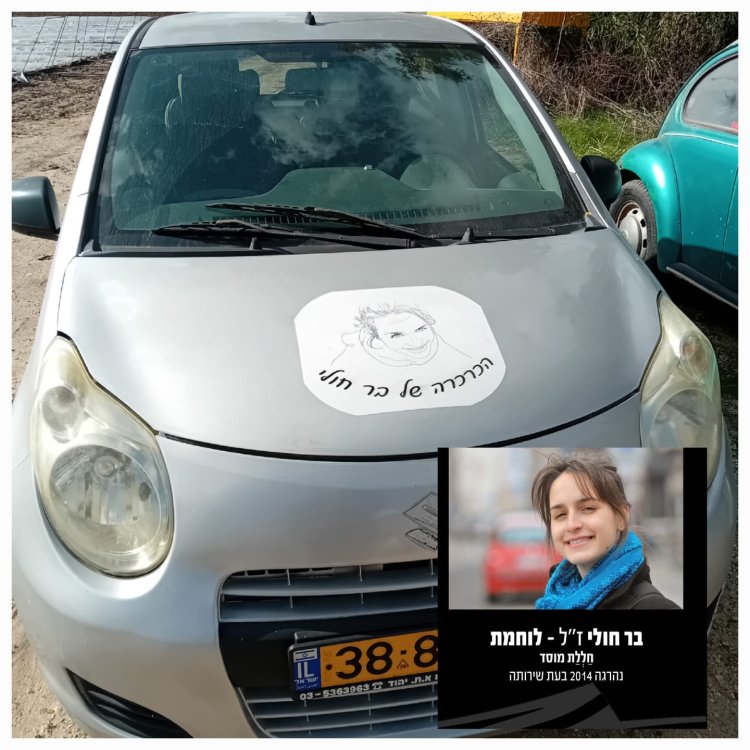 The restored vehicle of Bar Huli z"l
Throughout the restoration process, families receive updates and photos. Near the end, however, communication pauses.
“We stop sending updates to preserve the surprise,” Aharon explains. “The anticipation builds. One family sent hundreds of messages in the final week alone. They feel like partners in honoring their son, and that feeling moves us deeply.”
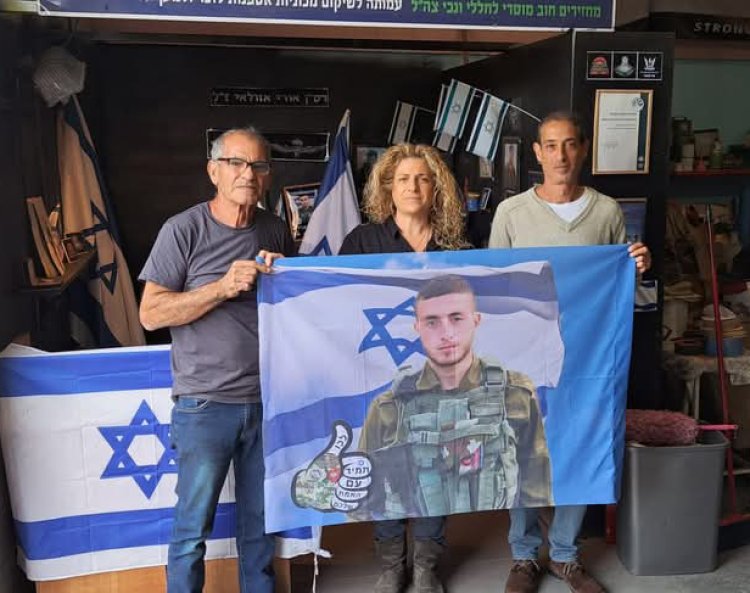 Family members of a fallen soldier at the vehicle handover ceremony
Still, one moment stands above all others.
“The most powerful moment for me,” Aharon says quietly, “is handing the keys to a bereaved father. Watching him sit in the car his son last drove, touching the steering wheel, the gearshift, the buttons his son touched. It’s incredibly meaningful. Every time, it moves me profoundly.”

