

Magazine
Between Earth and Sky: A Flight Saved by Miracles
What happens when a routine flight turns into a fight for survival? Rabbi Daniel Hilu recounts the terrifying moments aboard a failing plane in Mexico and the extraordinary chain of events that transformed near disaster into unmistakable Divine intervention.
- Miriam Salomon
- | Updated
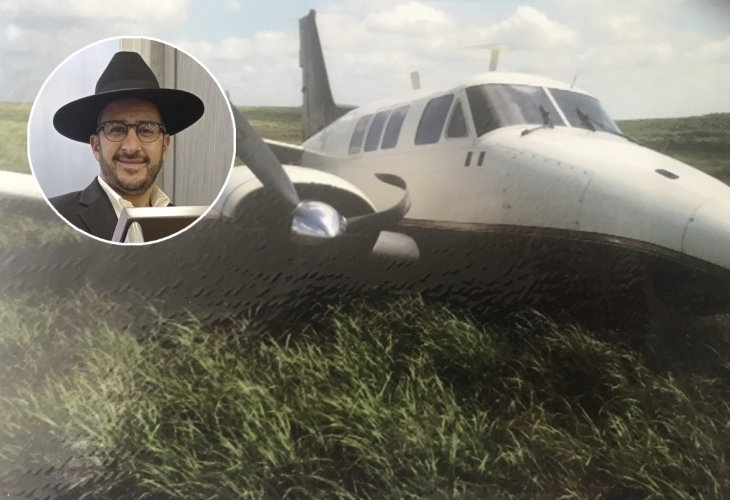 (Inset: Rabbi Daniel Hilu)
Have you ever wondered what goes through a person’s mind when they are convinced their life is about to end? Imagine sitting on a plane plunging toward the earth, moments away from a catastrophic crash. For Rabbi Daniel Hilu, this was not a hypothetical question. A decade ago, it became the defining trauma of his life.
He begins his story calmly. “At the time, I was working as a shochet under the Magen David kashrut supervision in Mexico,” he explains. “Perhaps it was the merit of working with kosher food that protected us.”
“At that point, my work required traveling for two or three days of shechita at a remote slaughterhouse in Chato La Marina. The journey was long and exhausting. From Mexico City we flew to Tampico, and from there traveled another two and a half hours by car. After a year of this routine, we came up with an idea to save time: chartering a private plane that could land on a small airstrip directly across from the slaughterhouse. We had no idea where that decision would lead us.”
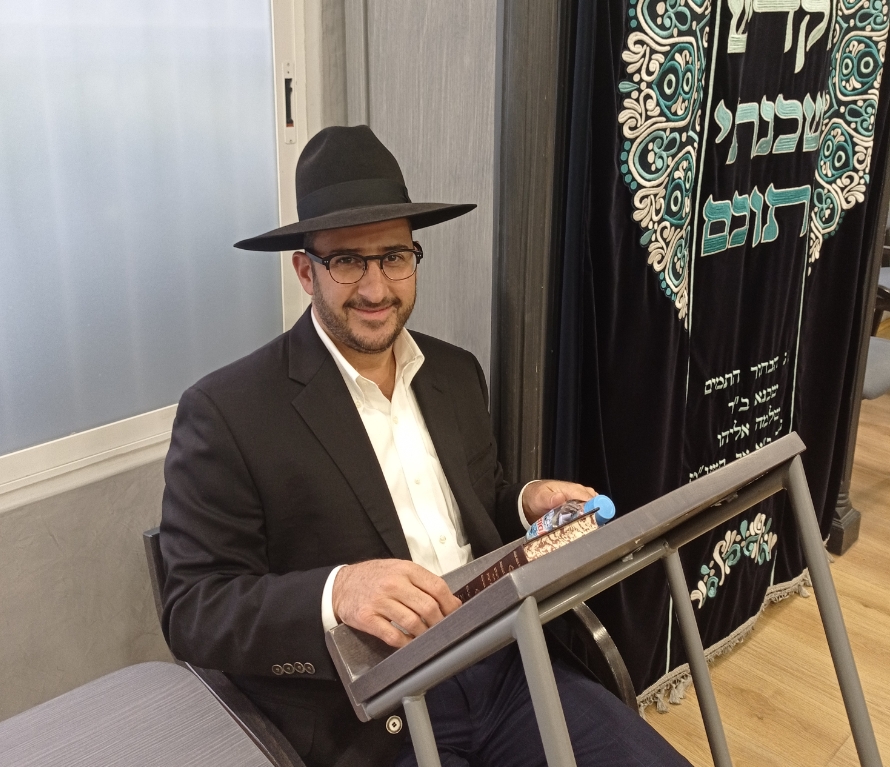 Rabbi Hilu
“I Realized the Pilots Had Lost Their Way”
Rabbi Hilu’s account unfolds like a suspense story. “The first time, everything worked perfectly. We drove to Toluca, which has an airport for private flights, boarded a plane chartered from a Jewish businessman, and an hour and a half later landed in Tampico. From there, we reached Chato La Marina with ease. The convenience was incredible, and we decided to repeat the arrangement for our next shechita session.”
“Two weeks later, when it was time to return, we chartered a plane from an aircraft company.”
How was this flight different?
“Right away, things felt off,” Rabbi Hilu recalls. “The flight was scheduled for Monday morning, 11 July 2011, at seven o’clock. We wanted to begin work early, so by six-thirty the four shochtim, two kashrut supervisors, and a non-Jewish intermediary were already at the airport. The plane still hadn’t arrived.
“After about forty-five minutes, it finally landed. The pilot began explaining the delay with stories about an overnight flight. We wanted to board immediately, but he insisted on conducting safety checks. He opened the engines, and water poured onto the tarmac. We were confused, but he claimed it was standard procedure to drain rainwater. The plane itself looked old, with twin engines and spinning propellers, but we said nothing. After refueling, we finally took off at 8:20.”
“We fastened our seatbelts, and the engines rumbled in a way that made us uneasy. The pilot didn’t seem concerned and climbed into the clouds. Once we were airborne, the noise subsided and we relaxed a bit, checking our watches and anticipating arrival.”
How long was the flight supposed to be?
“About an hour and a half. But I couldn’t shake a feeling that something wasn’t right. Ten minutes before the expected landing, I asked the pilot when we would arrive. He said, ‘In half an hour.’ That answer bothered me, but I returned to my seat.
“Twenty minutes later, I looked out the window expecting to see the river, the city, the familiar view of Tampico. Instead, it was clear we were nowhere near where we should have been.”
Emergency in the Air
What was happening inside the plane at that point?
“We were waiting for the pilots to find their bearings,” Rabbi Hilu says. “I stood near the cockpit and noticed Rabbi Shlomo Aini, the head of our shechita team, turning pale. He said he didn’t feel well. Soon, everyone was struggling. People were gasping for air, sweating heavily, dizzy. One man felt nauseous, another vomited, another clutched his head in pain. The situation deteriorated quickly.”
“Rabbi Shlomo cried out to me, ‘Daniel, tell the pilot to make an emergency landing immediately. I can’t breathe.’ That’s when I realized the air conditioning wasn’t working. We were suffocating.”
“I went to the pilot and said, ‘We’re lightheaded. We need air.’ He casually suggested we take headache pills from the seat pockets. I told him this wasn’t a headache. The pills didn’t help. We were in real danger. I begged him to land the plane.”
The pilots finally agreed to abandon the search for Chato La Marina and attempt an emergency landing at the nearest airport. “For us, anything was better than staying in that airless plane.”
Was it meant to be a routine landing?
“That was the hope,” Rabbi Hilu says. “But to land, you need an airport or at least a runway. The pilots couldn’t figure out where we were. They studied their maps nervously, argued, and then chose a general direction toward the city of Victoria.”
“Just as the pilot began turning the plane, emergency lights suddenly flashed across the dashboard. Then there was silence. The steady roar of the engines stopped completely. I looked at the pilots’ faces and understood. The engines had shut down.”
A Dance of Gratitude in the Wilderness
Rabbi Hilu counts the miracles one by one. “We landed on soft grass that absorbed the impact. The wheels never deployed, so the plane didn’t get caught in the vegetation. Had we landed on rocky ground, the plane would have shattered, G-d forbid.”
“Nearby were tall, dense stalks. If we had landed there, the wings and wheels would have been trapped, and none of us would have survived. The plane’s body cracked, one wing broke, and the engines were destroyed, but the fuel tanks did not ignite. The chain of miracles was overwhelming.”
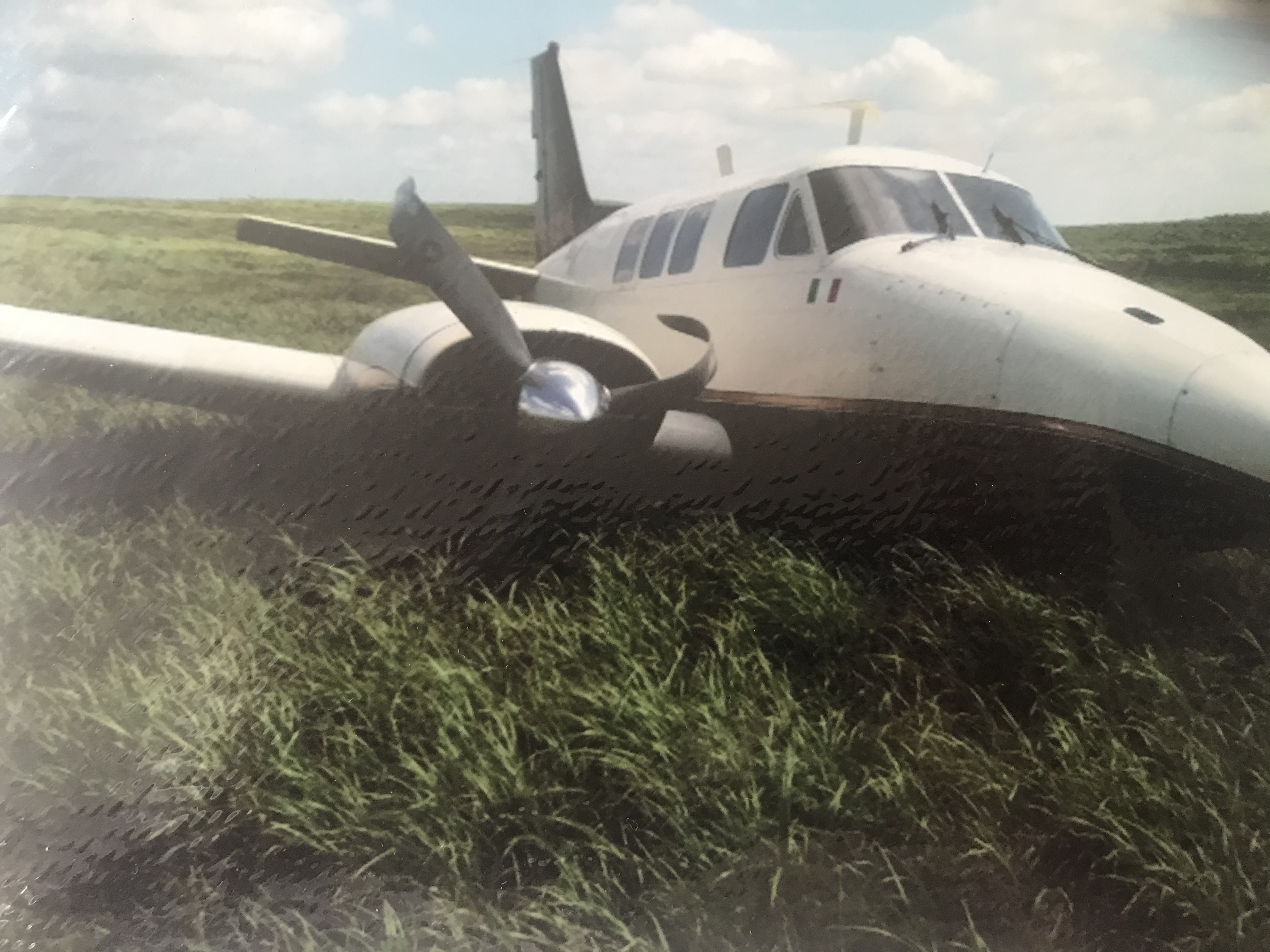 The private plane wreckage.
“In the middle of the wilderness, we held hands and danced, singing ‘It is good to thank Hashem.’ Even the intermediary and the non-Jewish pilots joined us.”
But Rabbi Hilu then adds something unexpected. “That wasn’t even the biggest miracle.”
A Second Rescue
“Once we calmed down, we realized we were stranded. There was no phone signal. In the distance, we thought we saw trucks and guessed there might be a road nearby. My friend Moshe Mohana and I volunteered to walk through the vegetation to find help. It was terrifying. We had no idea what animals might be hiding there.”
“Eventually, we reached a road. A local villager stood there, staring at us in shock. He told us he had watched the plane descend and was certain no one had survived. He went to get water while I waited by the road.”
“Not long after, two military jeeps passed. I waved desperately. They stopped immediately and followed me back to the plane. When I returned, I was stunned. Soldiers were interrogating my friends intensely. They demanded explanations, checked our bags, and were alarmed by our shechita knives. We were treated like dangerous criminals.”
What were they suspecting?
“Only later did we understand. While the pilots were lost, we had entered a restricted military zone. When the plane descended, the base assumed we were a threat. Anti-aircraft missiles were already aimed at us.”
They were prepared to shoot you down?
“Yes,” he says quietly. “Without hesitation. But then the engines failed. The plane began to fall. The commander assumed the problem would resolve itself and ordered his men to retrieve the wreckage afterward. Instead, they found us alive.”
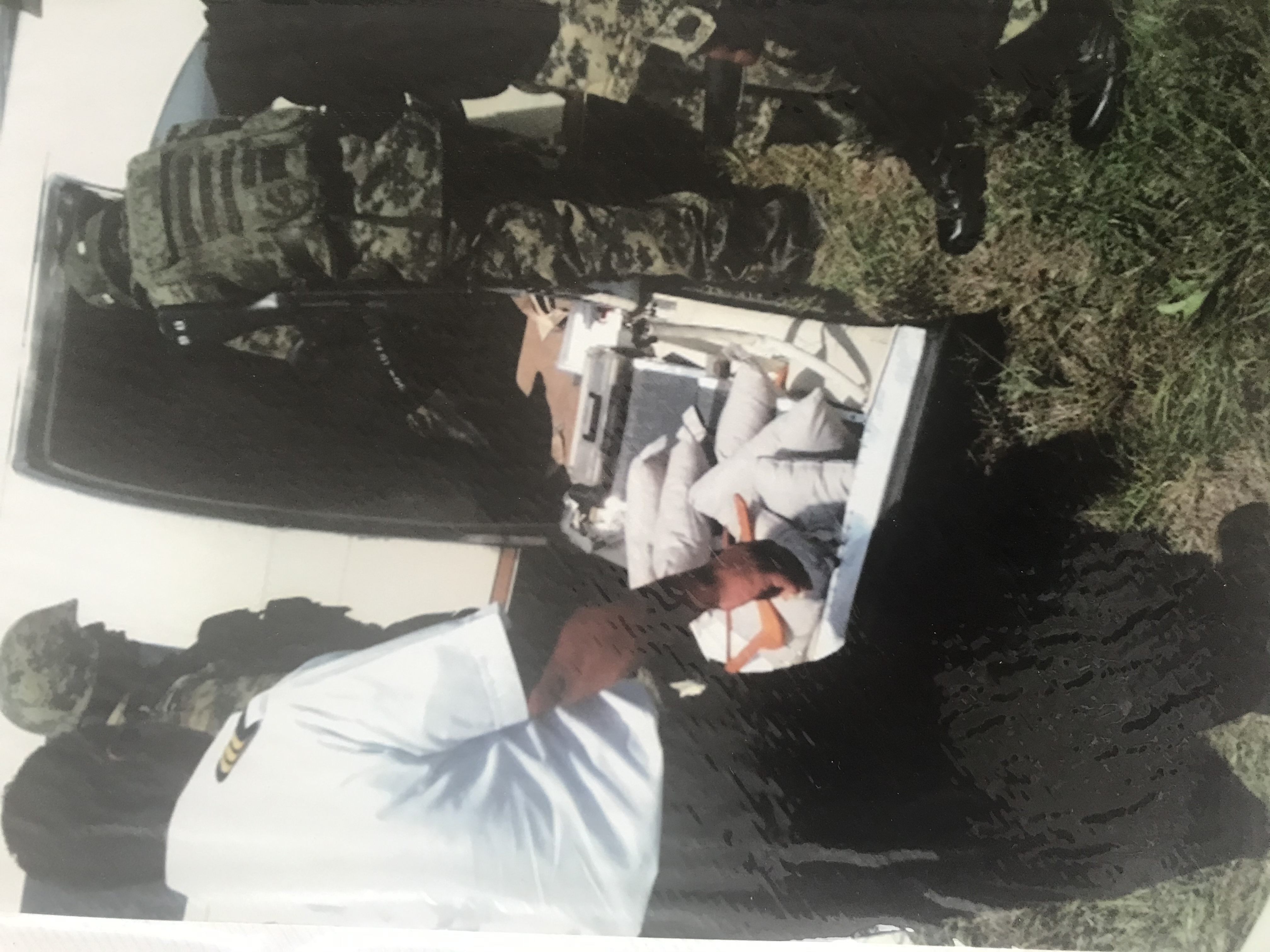 Rescuing the flight passengers.
“So what we thought was a disaster was actually our salvation,” Rabbi Hilu concludes. “The engine failure saved us from certain death. We thanked Hashem again, with even greater emotion.”
A Life Given Back
The soldiers eventually helped them, gave them water, and transported them to Chato La Marina, over a hundred kilometers away. “To this day,” Rabbi Hilu says, “we don’t understand how the pilot got so lost.”
They arrived safely and even began work, almost as if nothing had happened. “Since then, we’ve avoided private flights. Some of the team eventually left. But the experience left an indelible mark on us.”
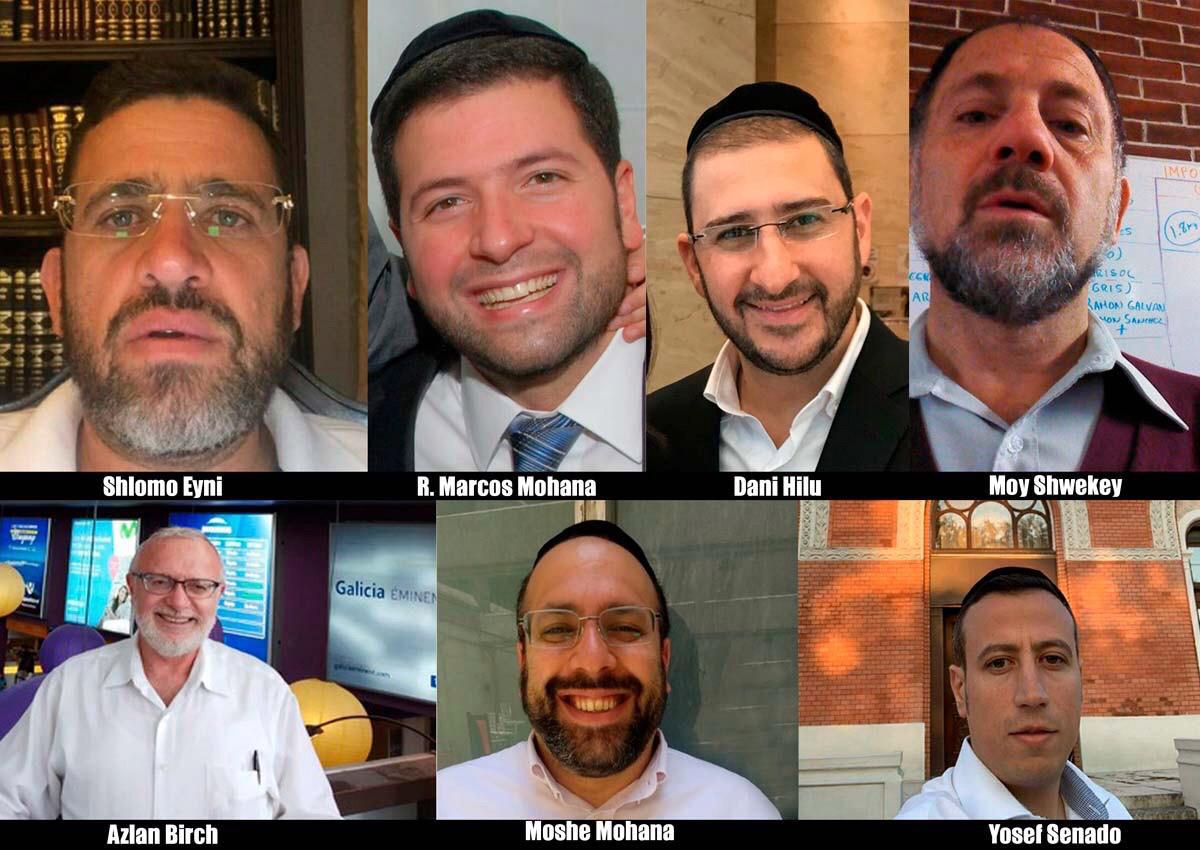 Everyone on the plane miraculously survived.
“Every year, on Shabbat, 9 Tammuz, Parshat Chukat, we reunite with the team. We celebrate the anniversary of the lives we were given back. A second chance, granted by Hashem.”

