

Magazine
Living Jewishly in Panama: A Touch of Israel in Central America
Idit Muafra shares her experiences of Jewish life in Panama City, touching on the community's unity, educational opportunities, and the challenges faced during COVID-19.
- Miriam Salomon
- | Updated
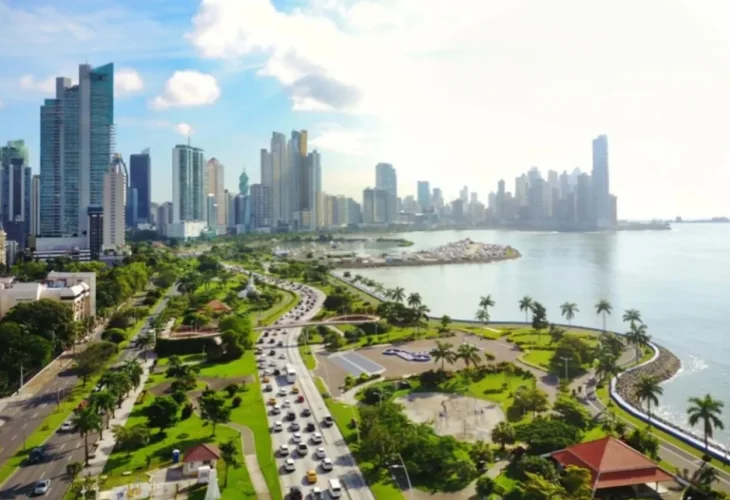 (Photo: Shutterstock)
What does Panama mean to you?
Panama is a small country with about three million people and a land area three times that of Israel. It is home to a close knit and unique Jewish community that truly embodies the idea of loving one’s neighbor, filled with kindness and generosity.
Why did you decide to live there?
My husband and I are originally from Argentina, and our older twin daughters were born there. Twenty three years ago, when we were still young parents, an old teacher suggested we take on a mission in Panama. At first I said no, but she insisted, and my husband felt it might be suitable for a short time. We barely knew where Panama was and even had to look it up on a map. After doing some research, we decided to try it for a year or two. Little did we know that we would still be here today.
The beginning was challenging. We had to adapt to a new place, unfamiliar faces, and a different mentality. The community was smaller then, but wonderful. Everyone was growing and progressing, and we loved our work as teachers. I taught at the girls’ school, and my husband taught at the boys’ school and the yeshiva. Our children were born here in Panama one after another, and we did not want to uproot them from their lives. That is how we ended up staying without planning to, loving the place and thanking Hashem for bringing us to this special community.
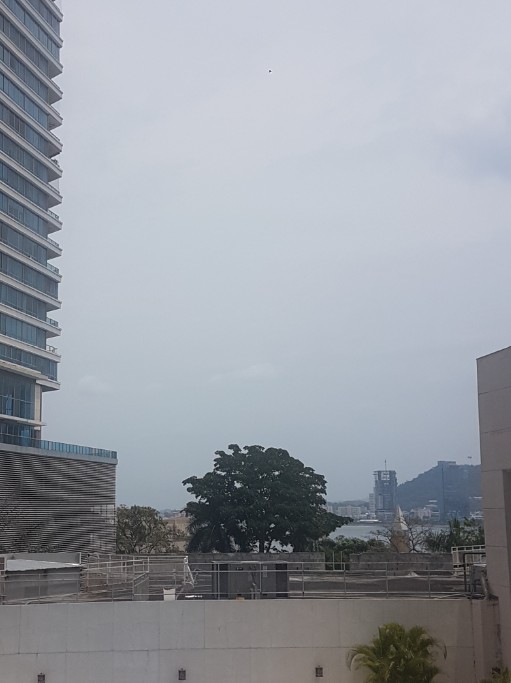 View from the Muafra family's home with the Pacific Ocean in the distance
Is there a Jewish community there?
Yes. We have a beautiful community called Kehillat Shabbat Achim, which includes three synagogues in different neighborhoods. The community was founded by Rabbi Tzion Levy z”l, who studied with Rabbi Ovadia Yosef z”l. Under his guidance, the community chose to remain united as one kehilla. There is also an Ashkenazi synagogue, and the Panama City Jewish community is known for its harmony and philanthropy. Many emissaries come here and are warmly welcomed, and there are gemachim for Israeli brides.
In times of joy and sorrow, everyone supports one another. We experienced this personally when we returned a beloved three year old child to Hashem. During that painful period, our home became a place of constant visitors from the community. It felt like one large supportive family. When my father saw this, he said emotionally that Mashiach would begin the redemption from here. At that moment, I understood why Hashem led us to Panama City.
What kind of educational institutions do you have there?
My older children studied at the Academy, a religious school with separate classes for boys and girls, where I also teach. Ten years ago, a Talmud Torah and a Beit Yaakov for girls were opened, along with small and large yeshivot for boys. My eldest son continued his yeshiva studies in Bnei Brak, and another is about to enroll in a yeshiva in Israel. I hope the situation improves by Elul so he can travel.
Two of my daughters studied at a seminary in Israel. One is now married, thank God, to a Panamanian young man and lives in Israel. Another returned and now teaches at the community’s Beit Yaakov school. During the coronavirus period, all our children came home, making it feel as though pieces of Israel were with us. When we heard that Israel’s airport might close, we hurried to change flights so they could join us for the Passover Seder. They are still here due to the pandemic.
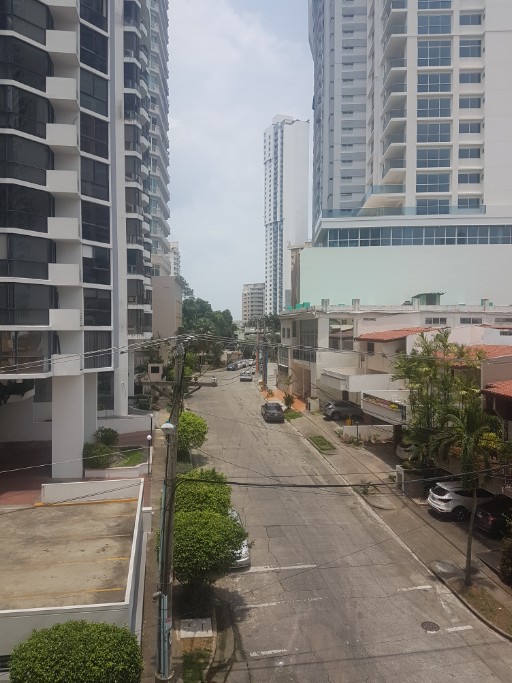 View from another window at the Muafra home, showing an empty street
What is your daily routine like?
During the coronavirus crisis, our routine has been disrupted, but we hope to return to normal soon, God willing. On regular days, the children leave for school around seven using private transportation provided by their schools. The schools are close by, and sometimes my son even walks home from the yeshiva.
I head out shortly after them to teach high school religious studies, including Navi, halacha, and Jewish thought, following the same curriculum taught in Israel. I return home around one o’clock, first calling my children in Israel because of the eight hour time difference. The rest of the day is filled with cooking, shopping, household tasks, lesson preparation, and occasionally listening to Hidabroot lectures.
We all eat dinner together. It is our main family meal. Life here starts early and ends early. Morning prayers begin by 7:45 a.m., and by around 9 p.m., the streets are already quiet.
How do you celebrate Shabbat?
Preparations for Shabbat begin on Wednesday with shopping. On Thursday, I prepare salads, and on Friday, I cook and set the table. Normally, I have a housekeeper, which is common and affordable here, but during the pandemic she has not come. To my surprise, I do not miss the help. My children assist, and together we managed Passover cleaning and continue preparing for Shabbat.
On Shabbat, the atmosphere becomes festive. I light the candles and watch as the community gathers for prayer. The synagogue is very close, and this sight moves me every week. During the pandemic, seeing the synagogue empty has been painful.
On Shabbat morning, my husband learns with the children before Shacharit and supervises them during prayers. The community gathers for the Shabbat afternoon meal at the synagogue, with a Torah lesson by the rabbi and children’s learning led by my husband. At the same time, women gather in the women’s section. Most community members observe Shabbat properly, making it a joyful experience.
What is the weather like?
It is summer here year round, with temperatures usually above 30 degrees Celsius. There is a pleasant breeze, and even the rainy season is not harsh. We wear short sleeves all year and use umbrellas instead of coats.
Are Jews involved in government life?
Jews maintain good relations with the government and are respected. The president has Jewish roots and even asked the Jewish community to pray for an end to the pandemic, a moving recognition of Who truly helps.
Do you experience antisemitism?
There is no antisemitism here, thank God. Panamanians are kind and allow us to practice our religion freely.
Have you visited Israel, and what was your impression?
After losing our child, we were blessed to visit Israel for two consecutive years. These trips revived us spiritually. In 2013, we lived in Jerusalem’s Har Nof neighborhood, in the same building as Rabbi Ovadia Yosef ztz”l. We prayed at many holy sites across the country and visited the Western Wall almost daily. It was deeply uplifting.
Is there anything you miss from Israel?
Thank God, we have everything here with excellent kosher supervision. Still, my daughters insist that Israeli pizza tastes better.
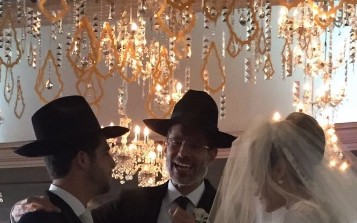 Idit's daughter at her wedding, with her father and groom
A story that could only happen here
During the coronavirus crisis, movement has been strictly regulated, even assigning different days for men and women to leave home. Despite national statistics, thank God, we have not heard of severe cases within the Jewish community. We clearly see Hashem’s protection and continue to pray for healing and salvation for all.

