

Magazine
A Legacy of Life: Dr. Eli Schussheim's Journey of Saving Thousands
For 45 years, Dr. Eli Schussheim led Efrat, saving nearly 80,000 children. How did a surgeon become a lifesaver of unborn children? What challenges did he face, and what led him to abandon his medical degree after two grueling years of study?
- Tamar Schneider
- | Updated
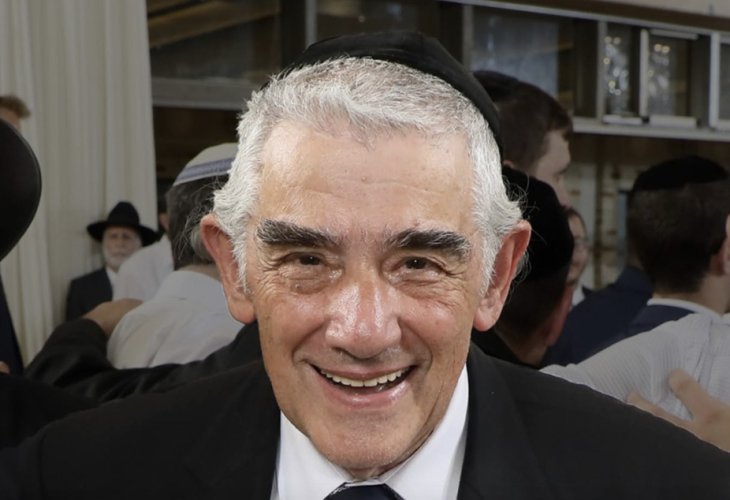 Dr. Eli Schussheim
During the joyous Shabbat Sheva Brachot for his grandson, on the final Shabbat Mevarchim of Tammuz, Dr. Eli Schussheim, of blessed memory, led the Mussaf prayer for the last time in his life.
“Just that Tuesday before, he was dancing and jumping like a child at the wedding,” recalls his son, Dror Schussheim. “On Thursday, we held a particularly joyful Sheva Brachot, our first major family gathering after the long year of COVID. He stayed up late on Friday night with family, sharing stories about the great Jewish sages he had treated. Who could have imagined that these were our final moments with him?”
During the prayer, Dr. Schussheim suddenly collapsed and immediately said, “I’ve had a stroke, call an ambulance.” Four days later, on the eve of Rosh Chodesh Tammuz, he passed away.
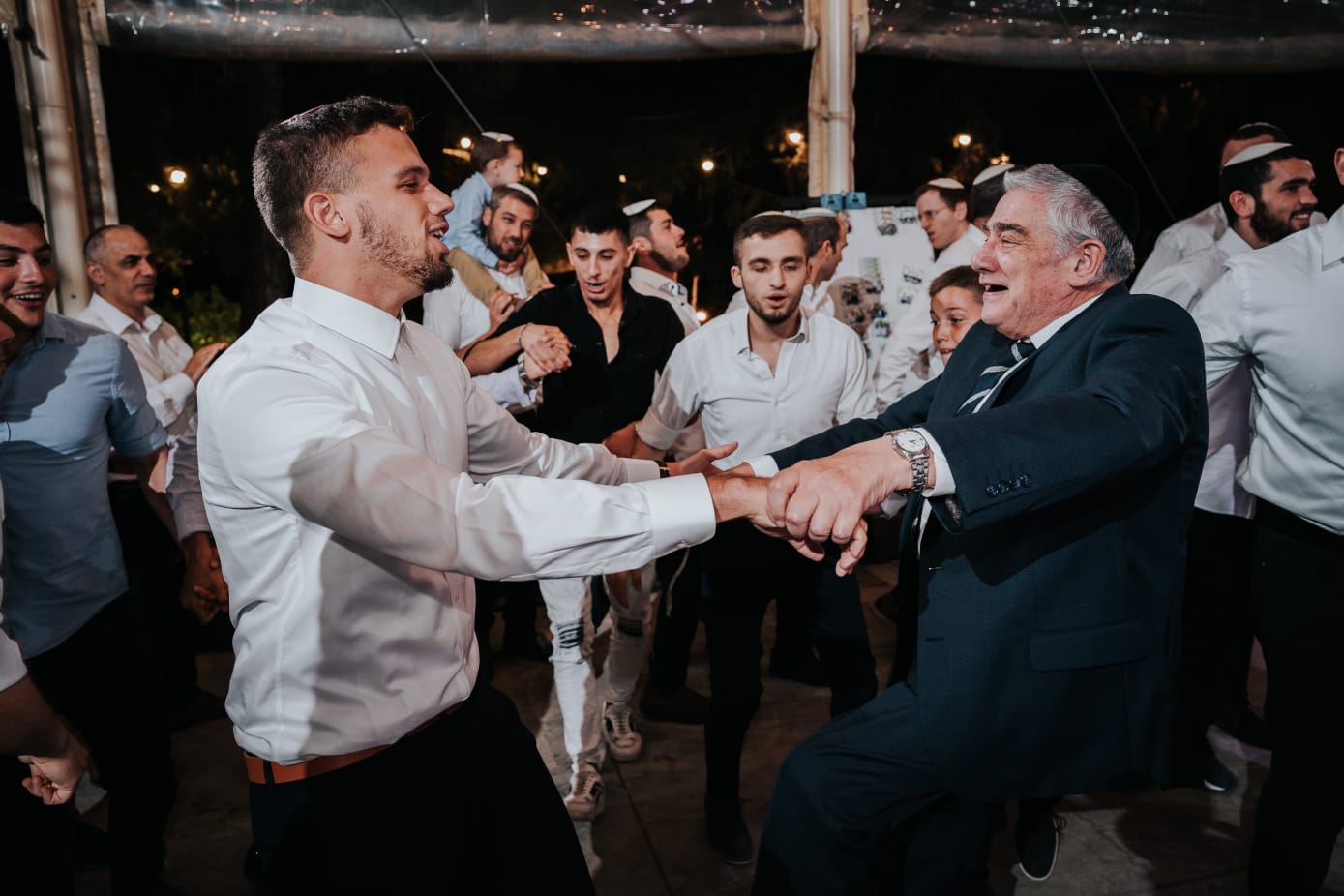 Dr. Schussheim at his grandson's wedding a week before his passing
Throughout his life, Dr. Eli Schussheim served as the physician to many of the Jewish world’s greatest leaders from across communities and backgrounds, including Rabbi Aryeh Levin, Rabbi Ovadia Yosef, Rabbi Shlomo Zalman Auerbach, and the Gerrer Rebbes. Yet alongside this extraordinary merit, his life’s central mission was his work with the Efrat organization, supporting pregnant women in distress.
In this sacred endeavor, Dr. Schussheim delivered countless lectures and personally guided and supported thousands of women, all on a voluntary basis. “Not many people ascend to the heavenly realms with a trail of 80,000 saved souls behind them,” Dror reflects, “but my father did.”
Exams or Shabbat?
Dr. Schussheim was born in Argentina in 1941 to parents who had emigrated from Poland. “He skipped two grades and began medical school at just sixteen, while working to finance his studies on his own,” Dror shares. “His parents were opposed to his pursuit of medicine, as no observant Jew had successfully completed medical school without compromising their faith.”
Despite their fears, he persevered, until he faced a defining test of faith. His year end medical exams were scheduled for Shabbat. At such a prestigious university, requesting alternative dates was nearly unheard of.
What could he do in such a situation?
“Despite knowing the odds and fully aware that the dean was not fond of Jews, my father requested to take the exams on a different day,” Dror recalls. “The dean responded that other Jewish students took the exams on Shabbat, but my father explained that his religious observance prevented him from doing so.”
He returned home crushed, believing two years of hard work had been lost. His parents were deeply upset, convinced his refusal had squandered his future.
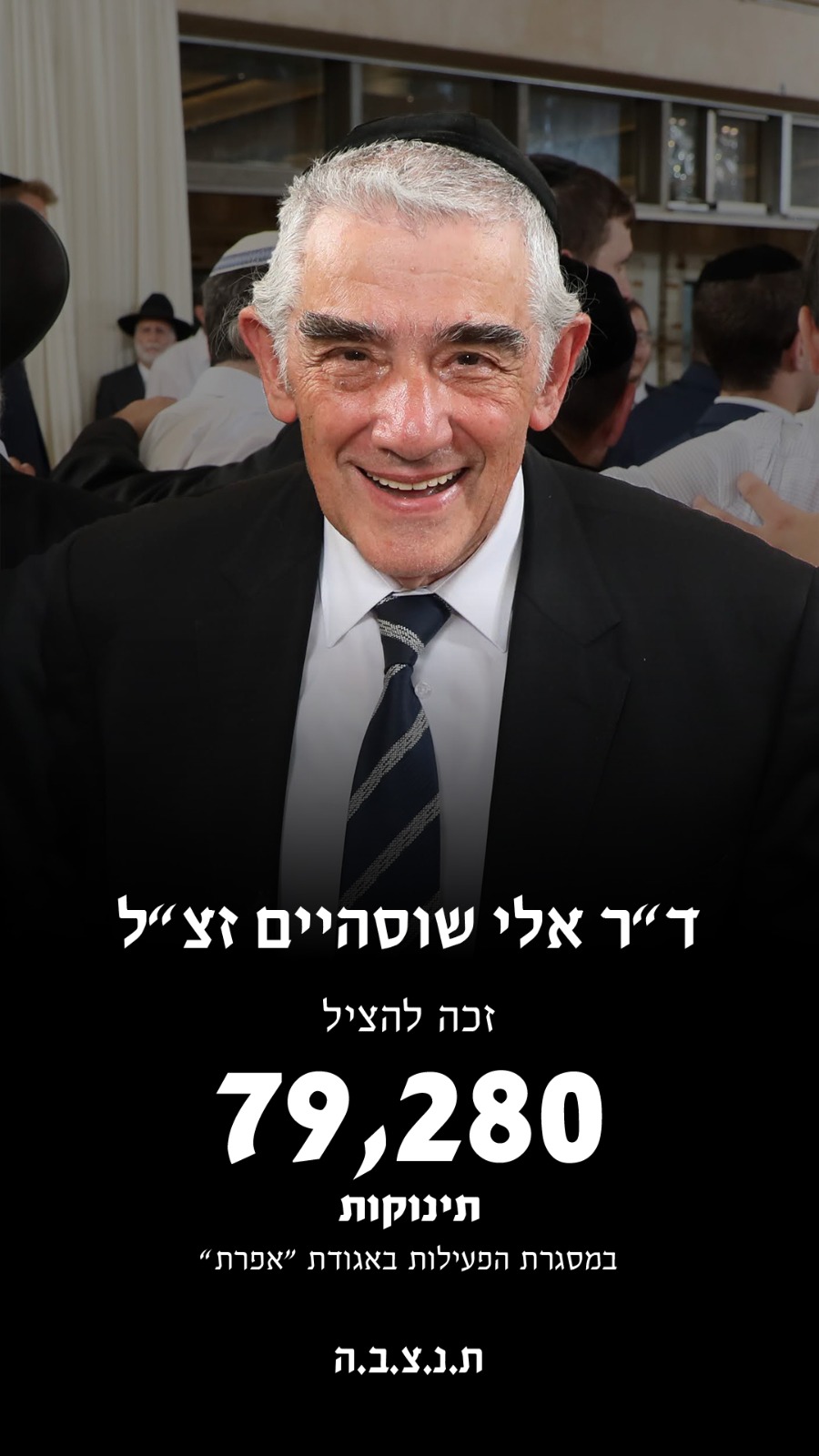 A memorial of Dr. Schussheim
A few days later, everything changed.
“The dean summoned my father and told him that this was the first time he had ever seen someone willing to sacrifice so much for their faith,” Dror recounts. “‘Your decision made a profound impression on me,’ the dean said. He granted special permission for my father to take the exams on Friday, bringing in professors specifically and trusting him not to share the questions.”
At just twenty two years old, Dr. Schussheim became a certified physician.
Choosing Israel
His parents and in laws invested in a clinic in Buenos Aires, but it was scarcely used. A year later, Dr. Schussheim and his wife immigrated to Israel. His wife was only nineteen. They left behind comfort, family, and familiarity, yet were unwavering in their decision.
“They knew their place was in Israel,” Dror says, “and that it would provide their children with a stronger Jewish future than assimilating Argentina.”
Over the years, nearly the entire extended family followed them. One brother, now living in Jerusalem, remembers receiving monthly letters encouraging him to make the move. When concerns about livelihood arose, Dr. Schussheim reassured him, “The same Hashem who provides in Argentina will provide in Israel.”
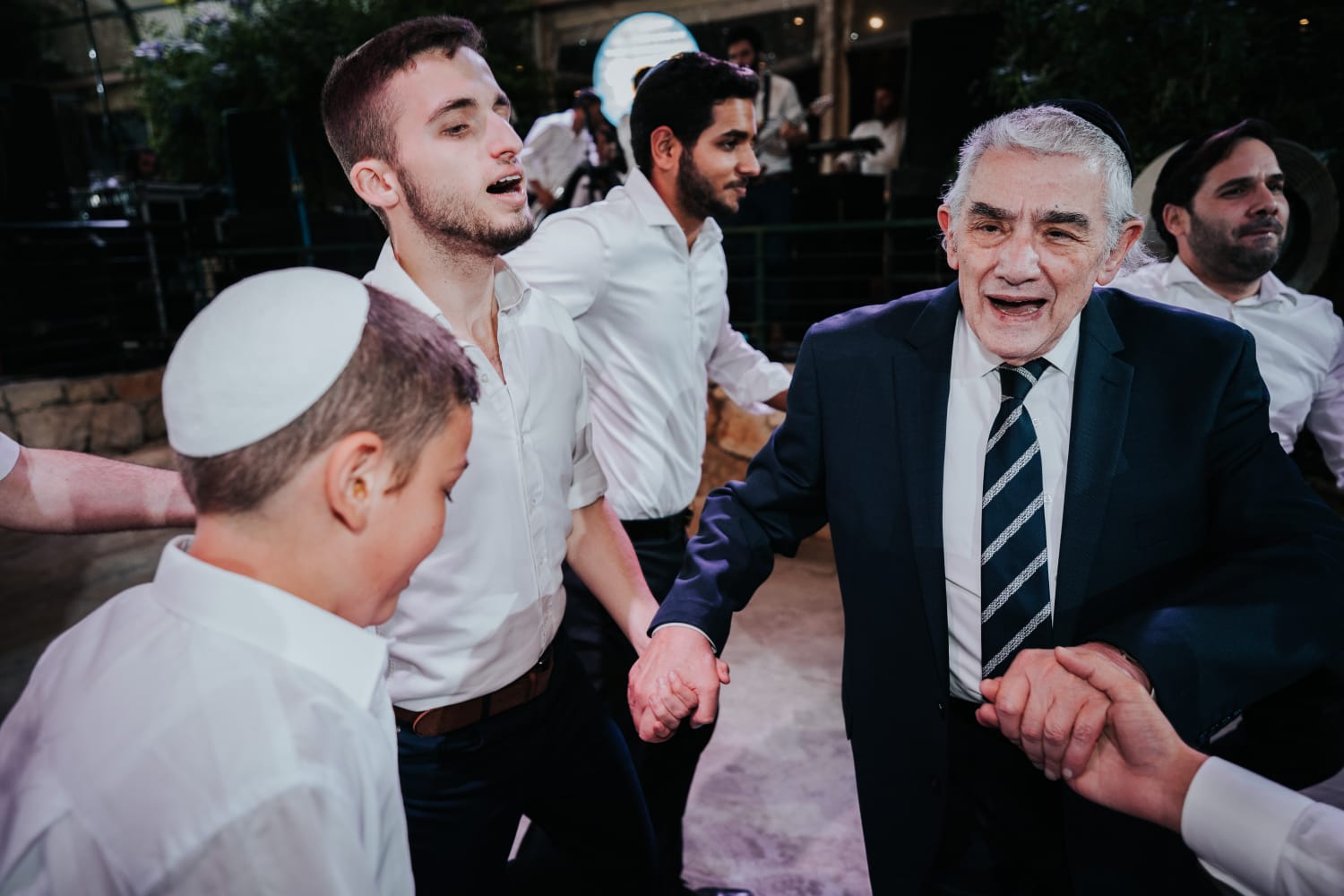 At his grandson's wedding
Shortly after the birth of their first son, just before his redemption ceremony, Dr. Schussheim received an urgent message calling him back to Israel due to the outbreak of the Six Day War. He left immediately after the ceremony, joining the medical teams in the land. His family followed six months later.
Even then, his exceptional diagnostic instincts were evident. In one case, a soldier arrived with a severe leg injury. All doctors agreed amputation was necessary, except Dr. Schussheim, then only twenty six. He argued passionately to save the leg, despite opposition from senior physicians. Years later, an elderly man’s daughter thanked the family, explaining that her father had lived a full life with mobility because of that courageous decision.
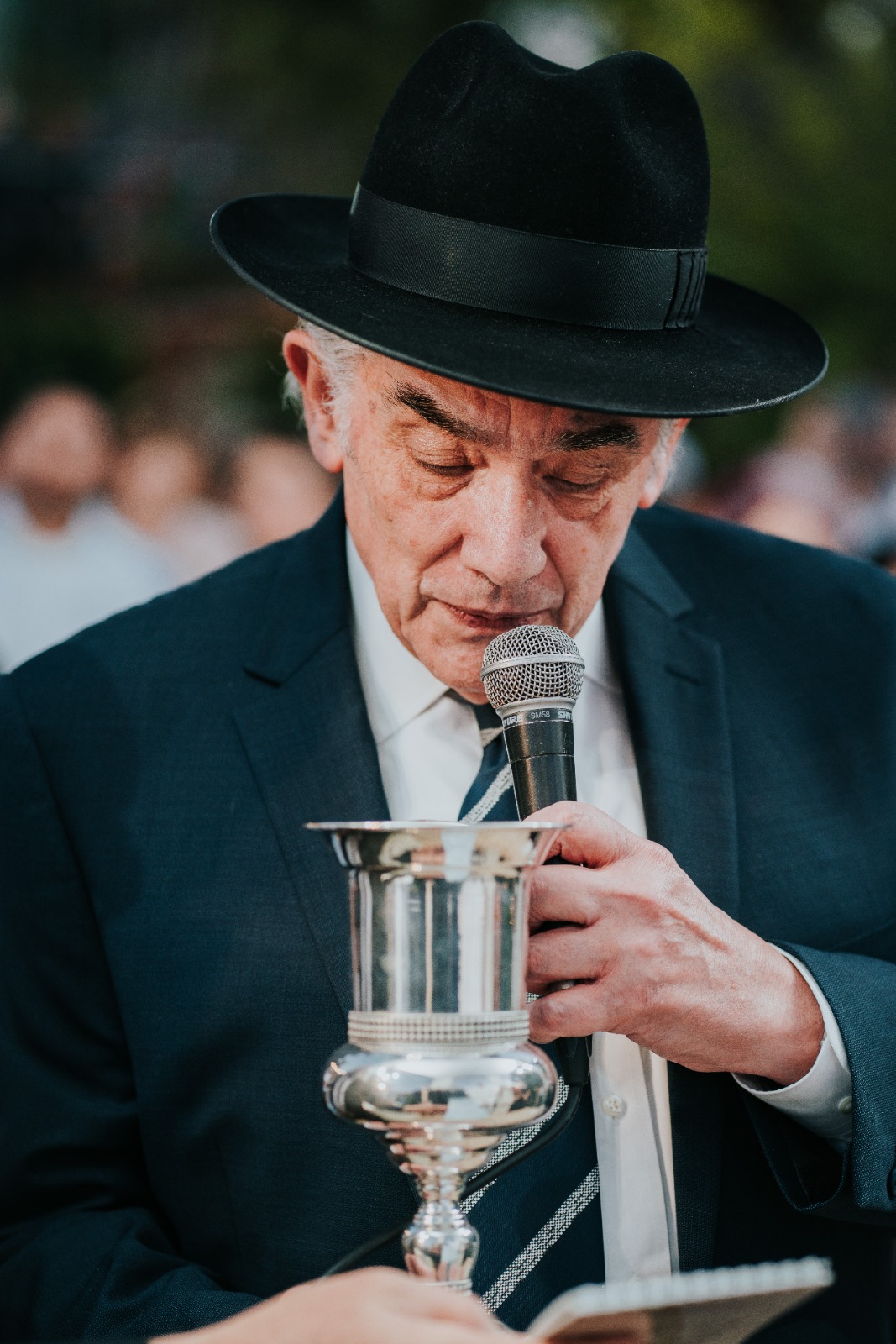 At his grandson's wedding
A Physician to Leaders
Within a year, Dr. Schussheim became the physician to the Knesset. His precision, intuition, and calm demeanor made him widely sought after. He treated Rabbi Aryeh Levin and later many other Torah giants, including Rabbi Yitzchak Kaduri, Rabbi Mordechai Eliyahu, and the Belzer Rebbe.
“They came to him because he was direct, decisive, and deeply human,” Dror explains. “He treated without bureaucracy and without ego.”
Dror recalls being summoned on Shabbat to treat the Gerrer Rebbe, the Beis Yisroel. When the Rebbe passed, masses accompanied him in final respect. As a gesture of gratitude, the family gifted Dr. Schussheim the Rebbe’s yarmulke, which he wore every Passover night.
Saving Lives Beyond the Clinic
How did your father become involved with Efrat?
“One day, a woman came to him after being advised by another doctor to terminate her pregnancy,” Dror says. “My father reviewed her tests and believed the fetus was healthy. Because of that simple assessment, she carried to term and gave birth to a healthy child. That moment ignited his lifelong mission.”
With abortion laws expanding and economic hardship driving many decisions, Dr. Schussheim understood the urgent need for emotional and financial support for expectant mothers. Together with Holocaust survivor Hershel Feigenbaum, whose children had perished, Efrat was founded to help women choose life.
The work was controversial, and criticism was fierce. “Women’s organizations fought him relentlessly,” Dror admits. “But he never backed down. Opposition only strengthened his resolve.”
Today, Efrat has over three thousand volunteers, many of whom were once beneficiaries themselves or women who regretted past decisions and now help others.
During the family’s mourning, countless messages poured in. “We’re alive because of your father,” many said. A hospital director once remarked to the family, “All of you save lives, but none on the scale your father did.”
Dror recalls a recent phone call from a woman who asked, “Is Dr. Eli Schussheim your father?” She explained that her nine year old daughter was alive because of his help during a desperate moment. “Your father saved my family,” she said. “I will never forget him.”
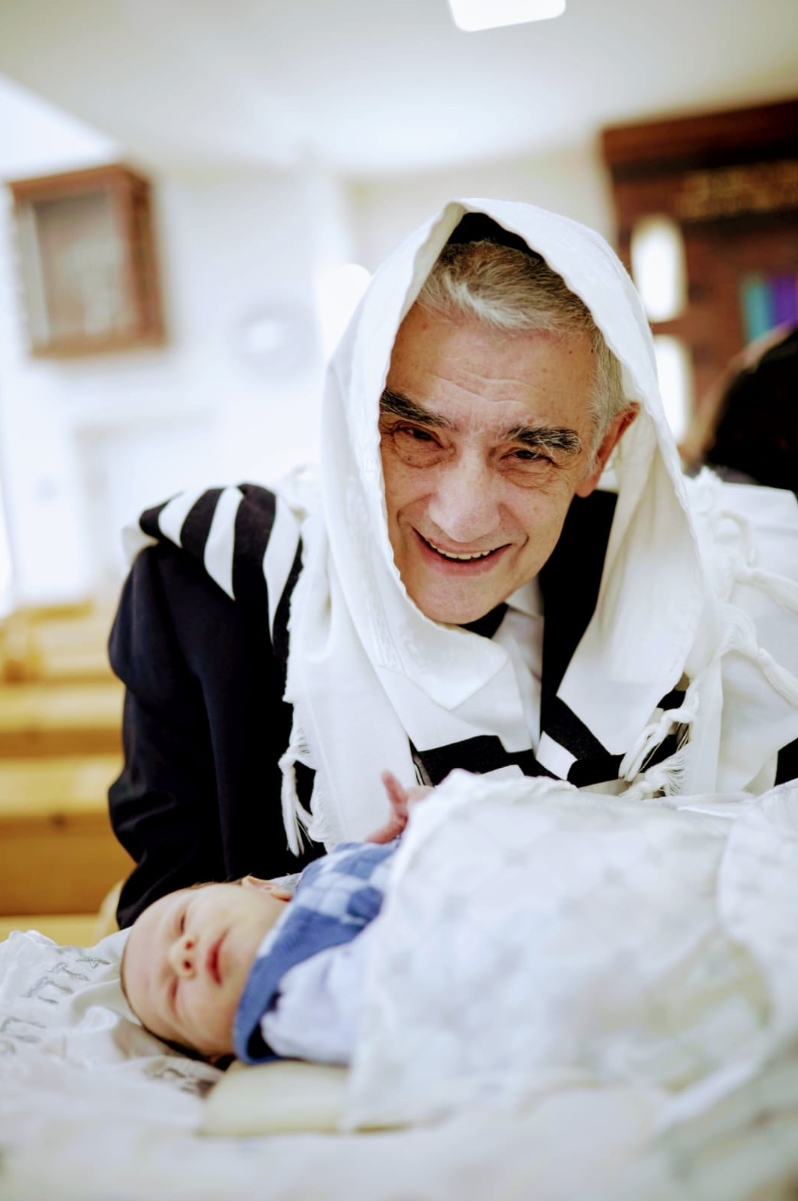 At a baby's circumcision
A Unique Soul
Rabbanit Dr. Chana Katan recalls meeting Dr. Schussheim through a distraught young woman who feared continuing her pregnancy. A single reassuring phone call from him changed everything. The child was born, and Dr. Schussheim was later invited to serve as the baby’s mohel.
Journalist Israel Katzover, a close friend for over fifty years, describes him simply: “A unique soul.”
“The Belzer Rebbe valued his medical brilliance,” Katzover says, “but even more so his humanity. He was a man of truth, humility, and unwavering devotion.”
Ten days before his passing, they spent a Shabbat together, sharing stories of childhood, family, and decades of healing others. “It felt like a life summary,” Katzover reflects.
When asked to write words of remembrance, only two came to mind: Unique soul.

