

Magazine
Rescue Mission Pioneers: The Dog Handlers Saving Lives
Even in difficult and seemingly hopeless situations, the canine unit’s volunteers never give up. In a moving conversation, unit commander Mike Ben Yaakov shares stories of missing persons, lost hikers, and elderly people who were rescued after losing their way. ‘We believe in miracles, and thank G-d, we are privileged to witness them.’
- Michal Arieli
- | Updated
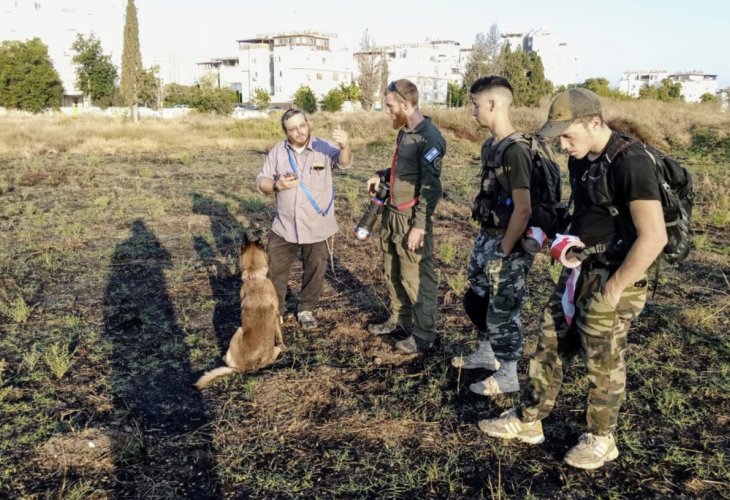 (Photos: Dog Handlers Unit Spokesperson)
During the Bein Hazmanim period, Mike Ben Yaakov, commander of the canine unit, finds himself sleeping almost every night in a different place away from home.
“Five star vacation,” he jokes, referring not to luxury but to the stars in the sky. This season, when many Israelis head out to hike and travel, is precisely the time when Mike’s unit is repeatedly called into the field to assist in search and rescue operations for missing persons. He never abandons them, often remaining in the field for consecutive nights, prepared to do whatever it takes to save lives.
Searching for Missing People
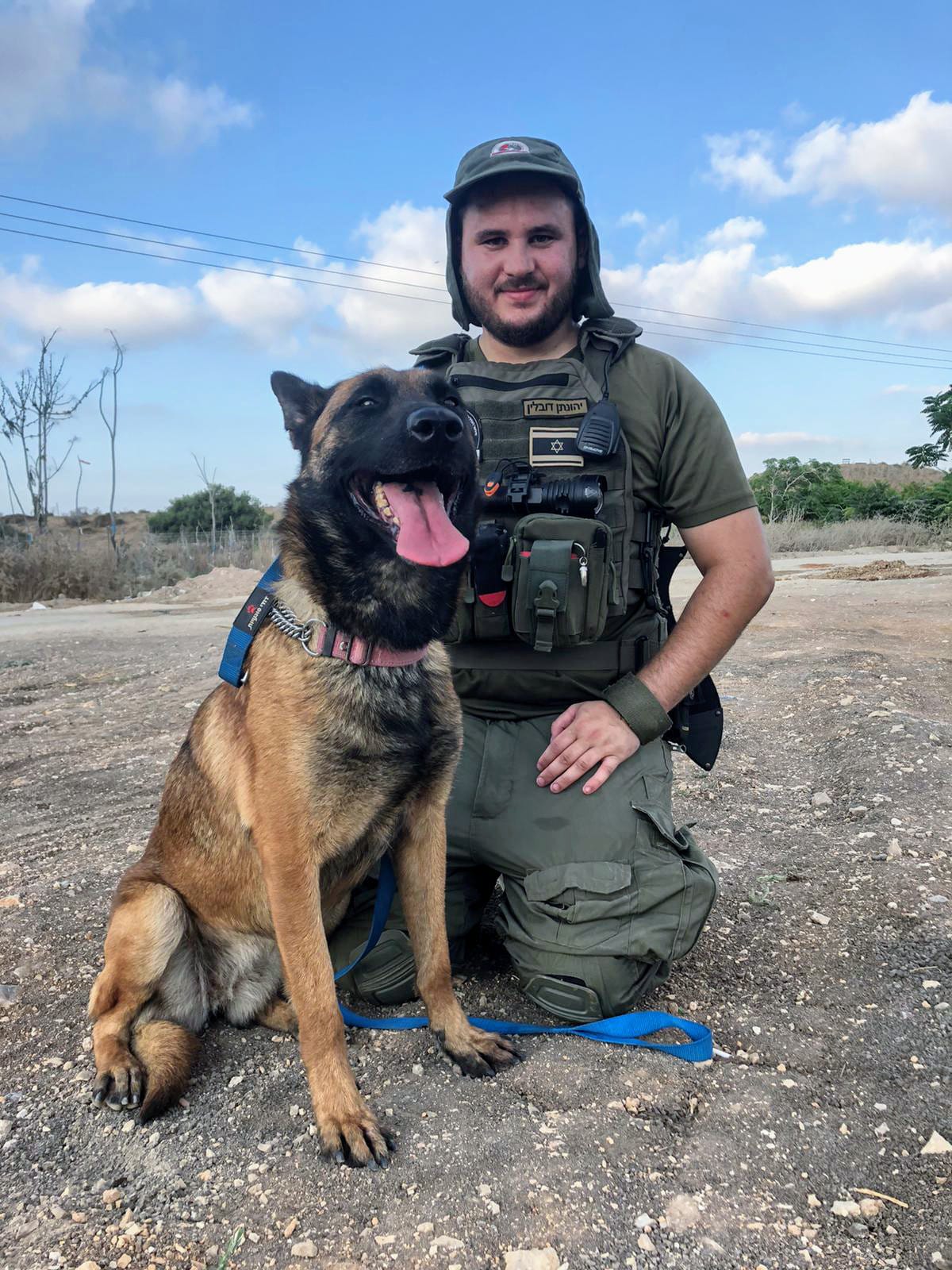
“Our unit is called Yachal, the Israel Canine Unit,” Mike explains. “As the name suggests, we use working dogs to save human lives. Our activity is divided into two main areas. We have rescue dogs for searching and locating missing persons, and protection dogs that assist with security and safeguarding communities. Over the past six years, our primary focus has been locating missing people.”
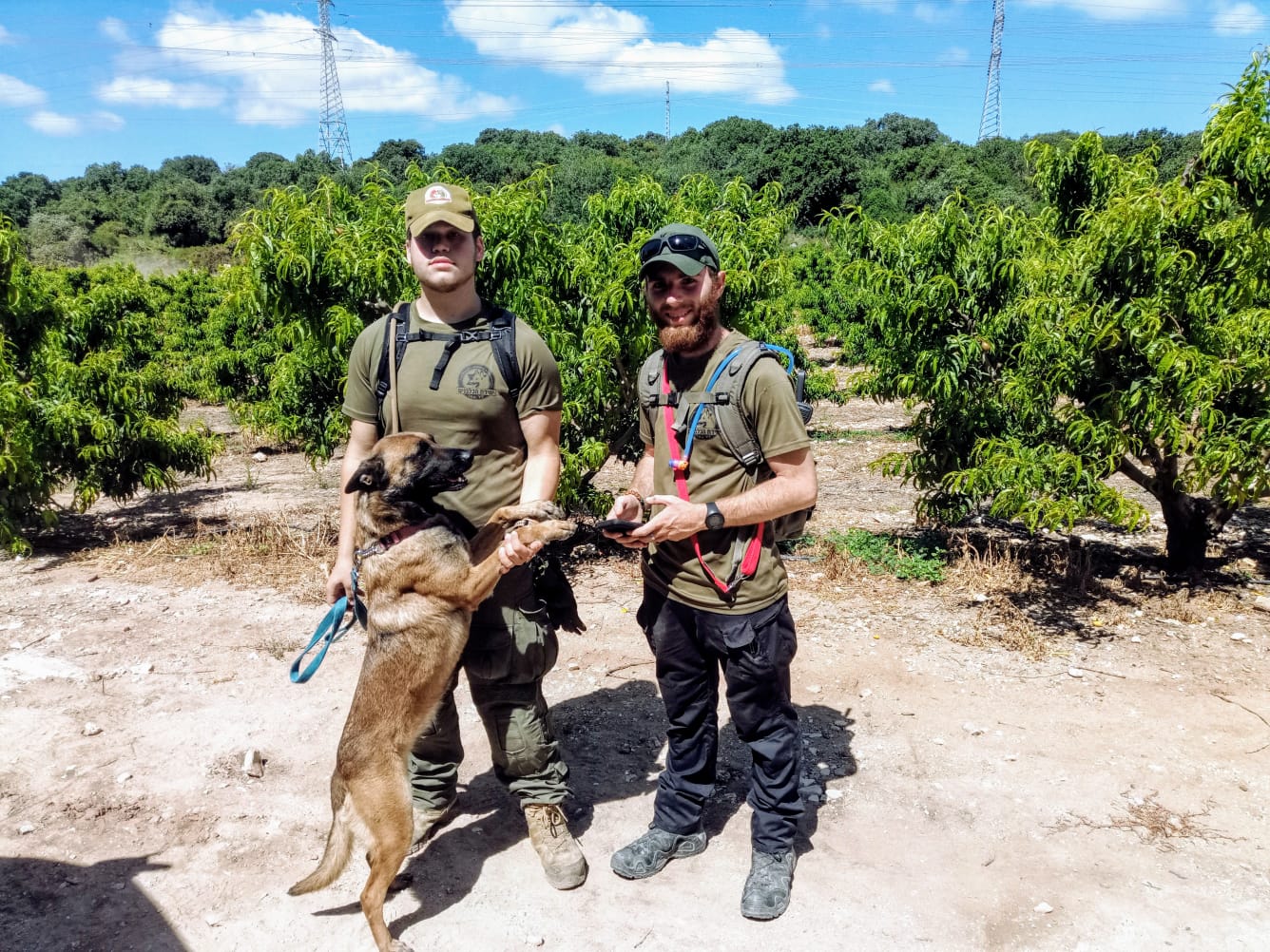
Mike emphasizes another important point. “All of our work is voluntary. We have hundreds of volunteers across the country who operate without compensation, along with a core group of several dozen volunteers who train with the dogs and operate in the field almost daily. We offer a reward of one thousand shekels to anyone who finds a missing person, but many refuse the money and are even offended by the offer. For them, locating the missing person is the greatest reward of all. These are truly extraordinary people.”
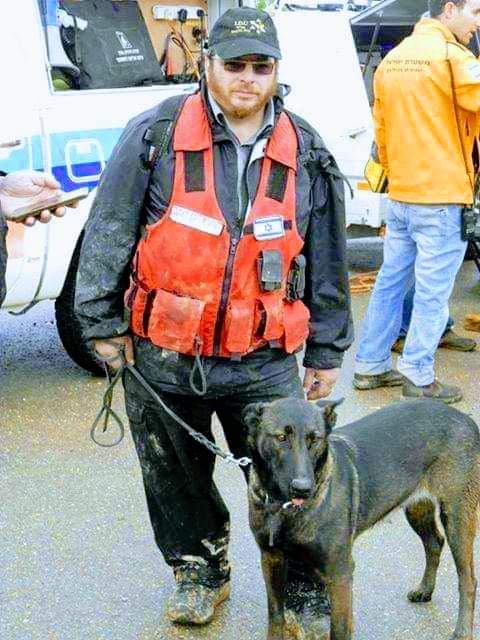 Mike Ben Yaakov
A Race Against Time
How does your work actually begin and in what situations are you called in?
“When a person goes missing and their life may be in danger, there are various methods to search for them,” Mike explains. “Drones, ATVs, ground teams, sea searches. Canine work is different. Dogs have the unique ability to detect human scent from great distances, sometimes even days after a person has left an area. Our dogs are trained to recognize animal signs and subtle trail indicators that guide us toward the missing individual.
“Usually the police call us. Sometimes the army or fire services do. There are also cases where family members contact us directly. In all cases, we aim to arrive as quickly as possible and do everything we can.”
He continues. “The first step is usually identifying the last known location of the missing person. If we have a clear direction, we use tracking dogs, give them a personal item like clothing, and let them follow the scent on the ground. In cases where time has passed or the scent has faded, we use air scent dogs. These dogs search for living humans by scent carried through the air. As long as a person is alive, scent is released through the skin and carried by the wind. We usually search against the wind direction. Thanks to the incredible abilities Hashem gave dogs, they can sometimes locate a missing person within half an hour, a task that could take humans five hours.”
What if the dogs lead you to someone else
“That has happened,” Mike smiles. “Sometimes we discover an entirely different missing person we did not even know about. That is only a blessing.”
When the Outcome Is Tragic
“There are also cases, sadly, where death is likely,” Mike says. “After several days of searching, when survival is no longer expected, we bring specialized dogs trained to locate remains. They search for scents such as blood or decomposition. Even then, finding the missing person allows us to understand their fate and bring them to a Jewish burial.”
Mike pauses. “I always say that finding missing people requires great merit. But the missing person also needs merit for us to reach them. There are cases where we search day after day, using every dog and every method, and still find nothing. Even now, we are searching for an elderly man from Kiryat Ata who disappeared over a month ago. Many volunteers have long moved on, but we have not. As long as there are areas we have not searched, we will continue.”
Training the Dogs
Training is handled by the volunteers themselves.
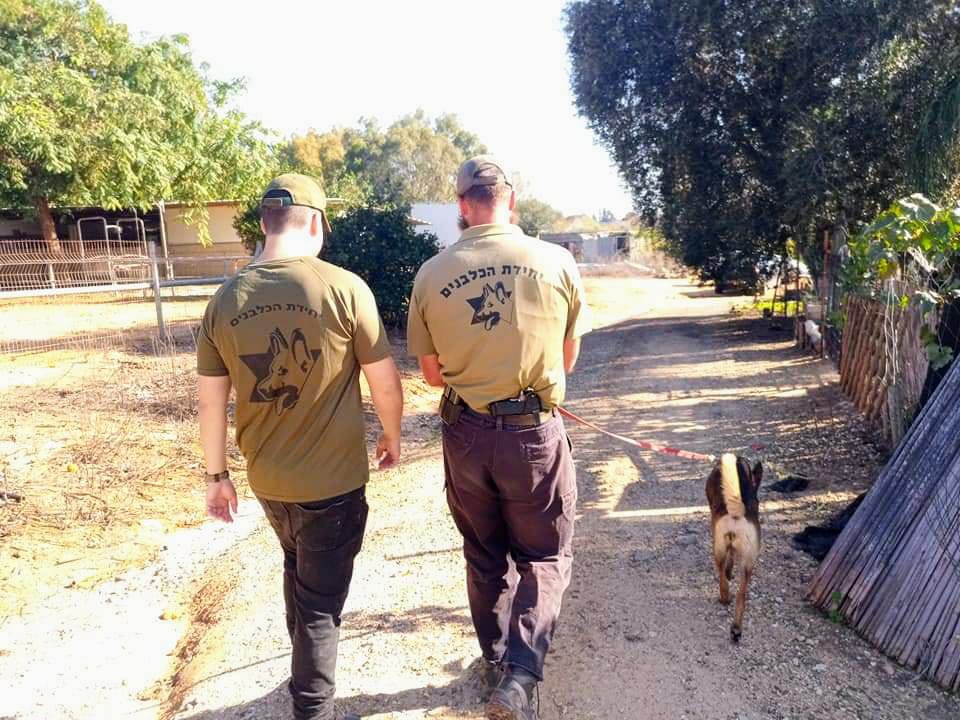
“Each dog is trained at our own academy, Magen Eretz Yisrael College,” Mike explains. “The handlers train alongside the dogs. The handler must understand the dog’s signals and body language. Otherwise, the dog may indicate that it has found something and the handler will miss it.”
Mike stresses that dogs naturally want to please their handlers. “The handler’s role is to clearly communicate the task and work in partnership with the dog. Training happens daily and intensively. Sometimes we are called mid training and leave immediately for the field, practicing everything in real time.”
Safety Comes First
During Bein Hazmanim, calls increase significantly. “People are hiking everywhere,” Mike says. “I want to take this opportunity to ask people to prepare properly. Bring plenty of water. Never enter an unfamiliar trail without knowing what to expect. If you lose your way, stay put and remain calm.”
Mike recalls a tragic case involving a yeshiva student who went hiking near Jerusalem and disappeared. His friend survived and provided information, yet days passed before the body was found.
“I think about this case every year,” Mike says quietly. “They entered the trail together and later separated. Never separate. Always stay together. They were unfamiliar with the terrain and poorly prepared. The young man was found wearing a black suit and long clothing. I do not want to criticize anyone’s dress, but hiking requires appropriate clothing.”
He adds a religious recommendation. “Do not hike on Friday afternoons. Avoid situations that could force Shabbat desecration.”
Never Giving Up
Missing persons are not only hikers.
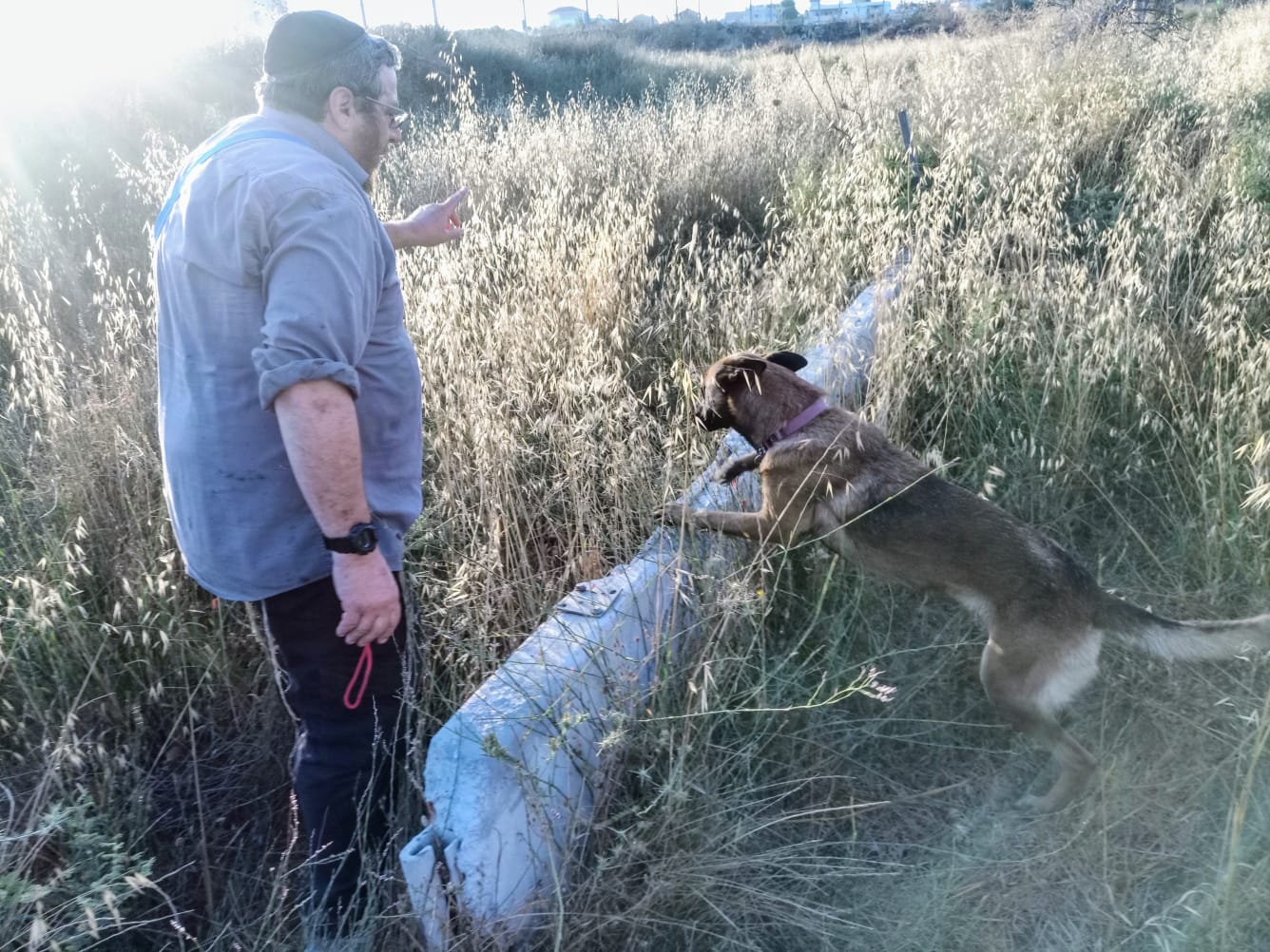
“We are often called to search for elderly people, including those with Alzheimer’s,” Mike says. He recalls a memorable case involving an eighty year old man who left a nursing home near Tivon.
“We had almost no information. We searched intensively for three days and stayed in the field the entire time. There was one dense area we initially avoided because it seemed impossible for an elderly man to enter. Before leaving, I told the team we would make one last push. We broke through the brush and found him moments before giving up.”
The investigation later revealed the man had suffered multiple strokes, causing him to crawl rather than walk, which explained the lack of visible signs.
When Should People Call You
“My recommendation is simple,” Mike says. “Call whenever there is concern, even if it feels early. We will assess the situation and guide you appropriately.”
He describes a recent case involving a missing six year old child. After evaluating the risk, the decision was made to wait until evening before escalating. The father found the child shortly before that deadline.
“What matters,” Mike emphasizes, “is never hesitating to call. When life may be at risk, all other considerations fall away.”
He pauses and adds softly, “As a man of faith, I believe our greatest strength is refusing to give up. Even when others lose hope, we believe in miracles and in the Creator. That faith drives us to persist with all our strength, until the best possible ending, with Hashem’s help.”

