

Magazine
A Different Kind of Therapy: Healing Through Adventure with Chaim Katz
Chaim Katz developed a unique approach to supporting at-risk youth through adventure and experiential journeys. From disengaged to inspired, his method reshapes lives by using challenge, creativity, and meaningful experience to spark growth and connection.
- Tamar Schneider
- | Updated
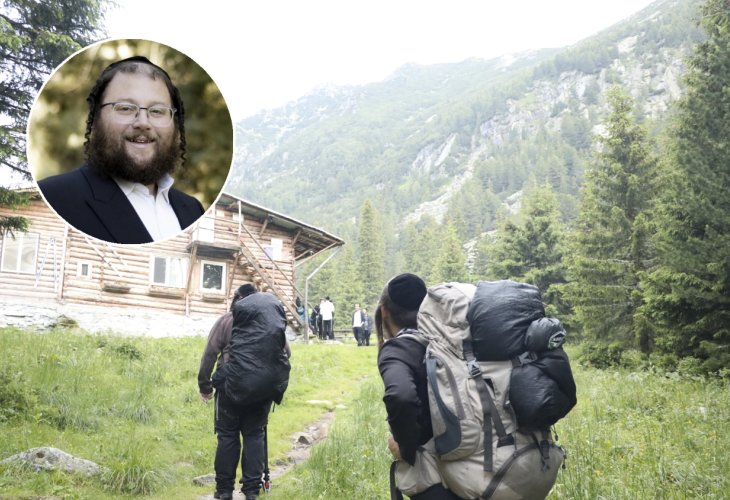 Pictured: Chaim Katz
Jacob was once hooked on movies and TV series, spending long hours every night glued to the screen. Exhausted by day, he eagerly awaited the next binge-watching session, trapped in a cycle that left him empty and depressed. Deep down, he longed to break free and find something more meaningful.
While attending a youth center, Jacob joined a week-long mountain expedition with no screens, only challenges and goals to overcome. A heartfelt conversation during the trip helped him recognize the weight of his addiction. After a week of facing difficulties, pushing limits, and disconnecting from the digital world, Jacob began to see a different path. Soon afterward, he sought professional help and succeeded in freeing himself from his destructive habits, drawing on the inner strength he discovered during that journey.
The expedition that opened Jacob’s eyes was led by Chaim Katz, a certified adventure and expedition therapist. Two decades earlier, Katz worked with at-risk youth but felt frustrated by the lack of real progress. A chance encounter in the English countryside with an elderly instructor reshaped his entire approach to guidance. Today, participants often ask him, “So are you a tour guide or a psychologist?” They quickly understand that these journeys are far more than outdoor trips.
Finding the Heart
Chaim Katz immigrated from England to Israel at the age of five and began his career guiding at-risk teens. “At one point, I was offered a position working with youth in England and decided to take it,” he recalls. “I invested deeply in the group, but I could not create meaningful change.”
What was the issue?
“The problem was that they reinforced each other’s negative behaviors. Even those who began relatively strong declined. Group conversations never deepened because they were too busy joking instead of engaging sincerely. It was frustrating not knowing how to generate real change.”
Chaim explains that a healthy group requires shared values and goals, such as respect and non-violence. “When participants shape those norms together, they feel ownership. But in those early groups, there was no clear direction, and that pushed me to search for a better approach.”
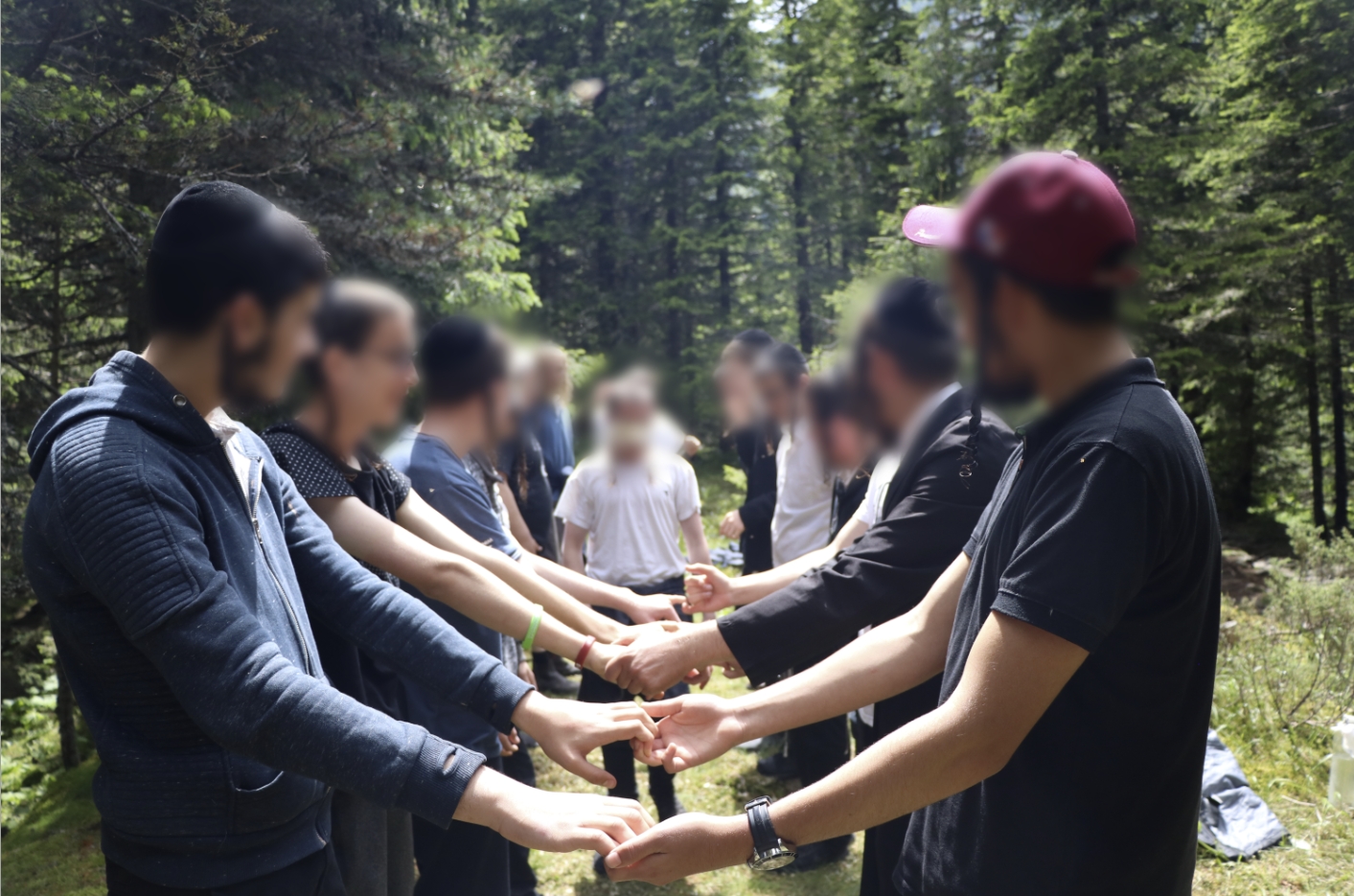
The breakthrough came during a weekly outdoor activity, when the group requested to build a shelter in the woods. An elderly English instructor demonstrated a remarkable ability to work with each teen individually: empowering the creative, relying on the physically strong, assigning leadership to communicators, and involving even the quiet observers. The atmosphere shifted instantly. Hesitation gave way to engagement, and resistance turned into cooperation.
Journeys of Self-Discovery
Over the years, Chaim has led expeditions for young people across the world. “The process doesn’t begin in the field,” he explains. “It begins with weekly preparation meetings that build trust, intention, and safety.” He describes how difficult it can be to reach youth struggling with cynicism or aggression, and how experiential challenges often open doors that words cannot.
“Field experiences spark curiosity, self-discovery, and group cohesion. They change the internal narrative. Teens begin to question the limits they have placed on themselves.”
He gives an example: “On a trek, I might point to a distant mountain and say, ‘In three days, we’ll be there.’ At first they doubt it, but when they succeed, something shifts. They realize their perceived limits were not absolute. That insight carries into other areas of life.”
Group dynamics play a powerful role as well. “In open conversations, teens who see themselves as victims sometimes discover that others are carrying heavier burdens. It gives them perspective and gratitude for strengths they never noticed.”
What about moments of failure?
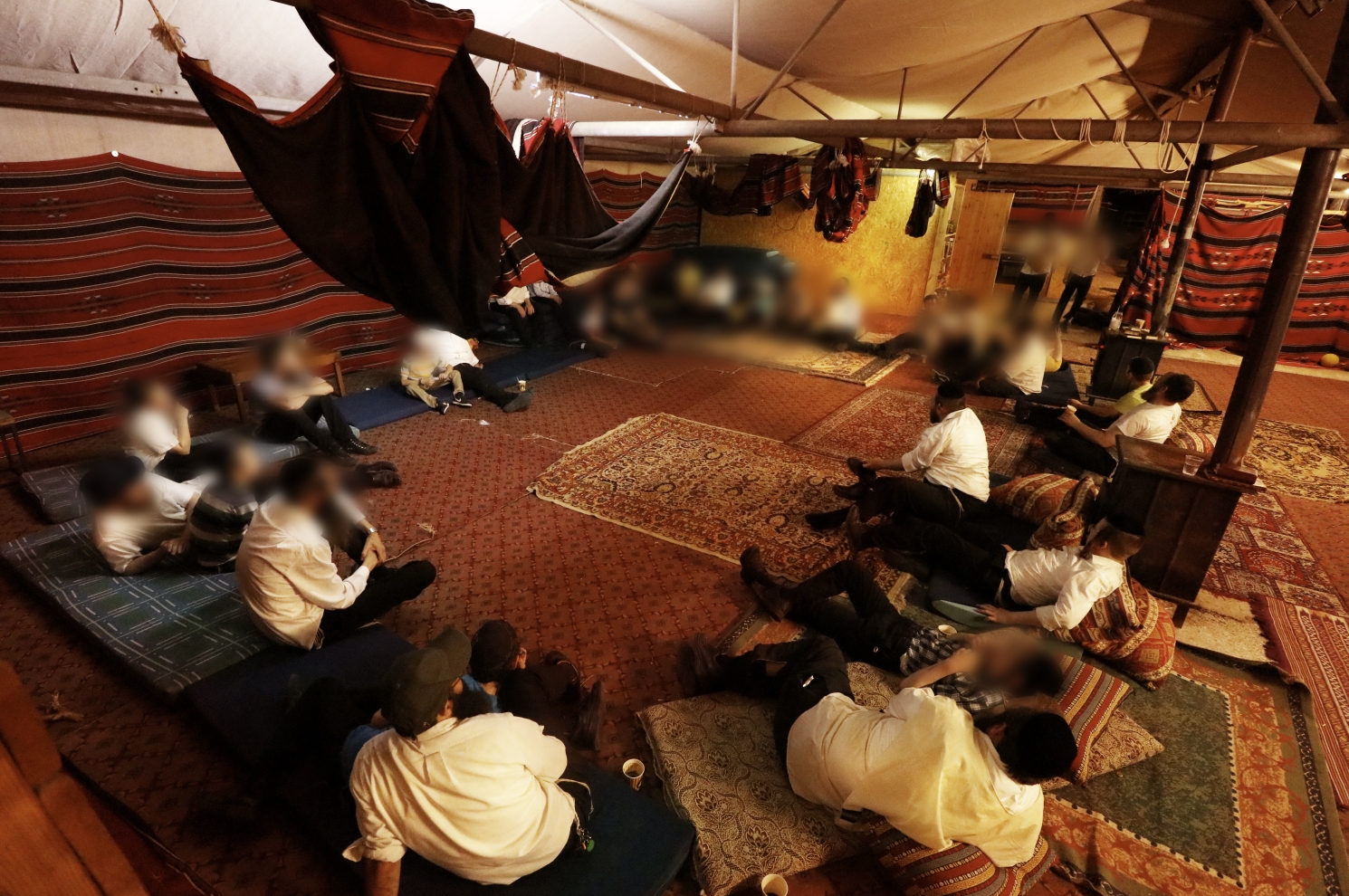
“Those are just as important. Once we arrived late to camp and had to go hungry for the night. There was frustration, but by morning the group understood the lesson. These moments build resilience and responsibility.”
Family Challenges and Beyond
When the pandemic halted international travel, Chaim adapted. He began leading new formats, including reflective group programs for adults aged 30 to 50 who wanted space to pause and reassess life. He also developed father-son programs, using shared outdoor challenges to strengthen bonds and communication.
Passing the Torch
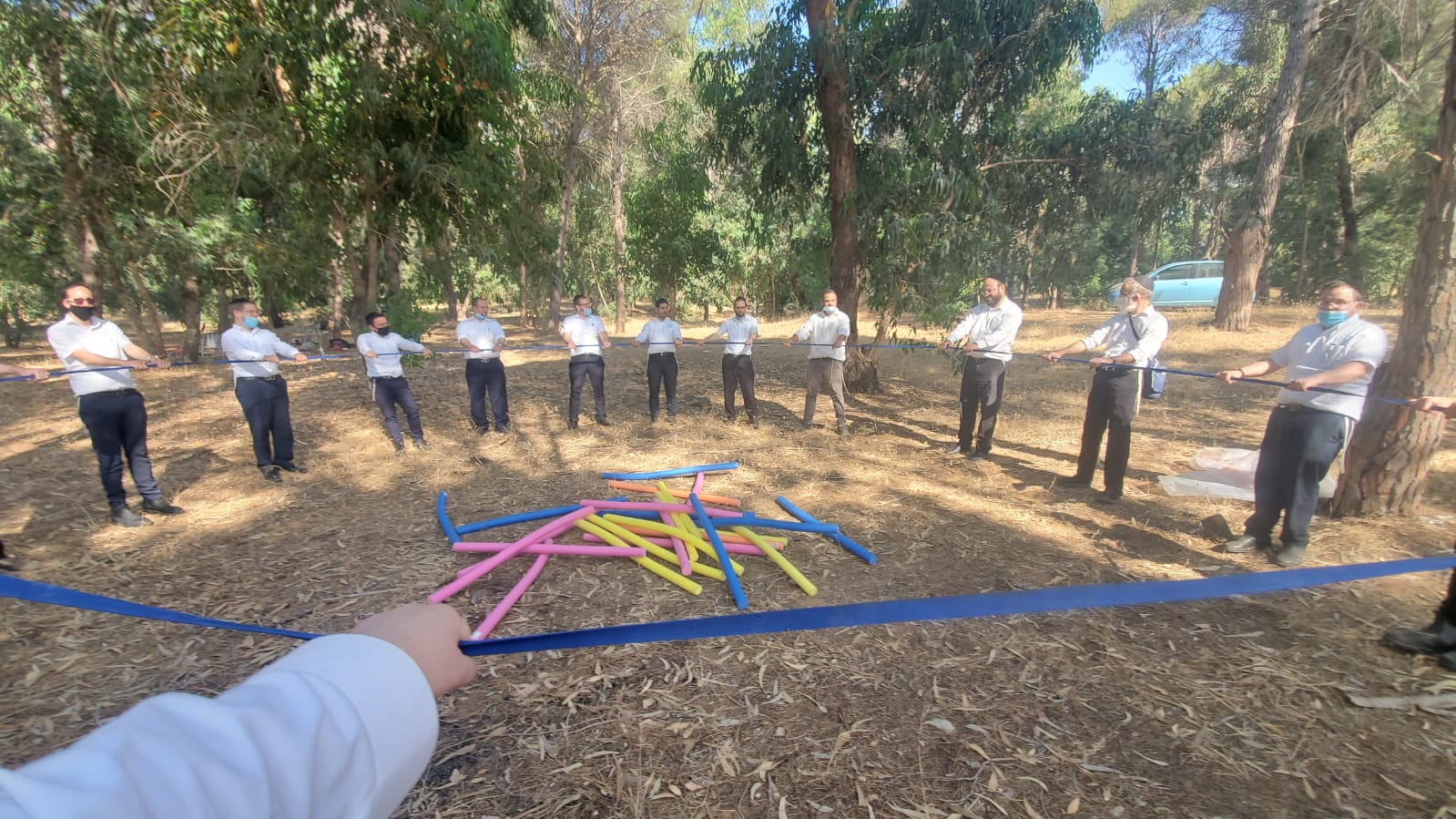
Chaim is committed to spreading this approach further. His goal is to train at least 1,000 educators, who can then influence thousands of students through experiential methods. His workshops help teachers build workshops that foster stronger classroom dynamics and create space for every student, including the quietest, to feel seen and heard.
During the pandemic, Chaim also began sending out weekly family challenges by email, offering simple activities designed to bring parents and children together at home. These initiatives helped ease isolation, strengthened family connections, and reminded participants that growth can happen even in the most confined spaces.
Through his work, Chaim Katz has shown that meaningful change does not come from lectures or pressure, but from experience, connection, and purpose. For countless participants like Jacob, these journeys become turning points, revealing strengths they never knew they had and opening the door to lasting transformation.

