

Magazine
From Fear to Safety: The Organization Helping Women Rebuild Their Lives
Through shelters, guidance, and unwavering compassion, Bat Melech supports women facing abuse. The organization’s chair, Zilit Jacobson, shares what real healing looks like and why awareness can save lives.
- Rakefet Grosse
- | Updated
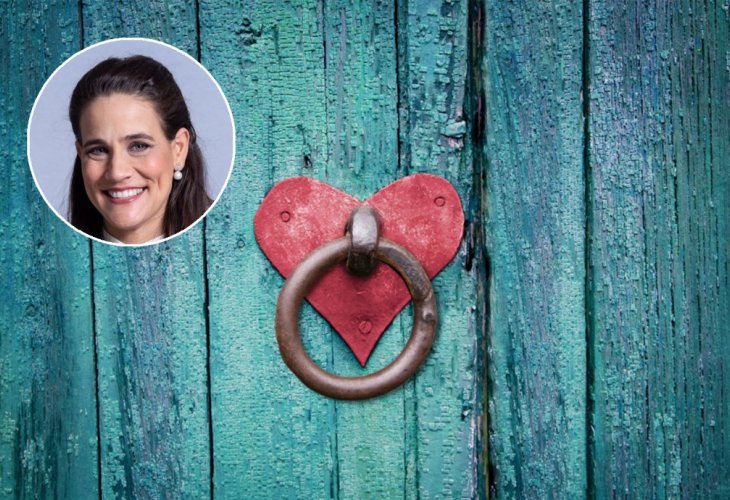 (Photo: Shutterstock) Inset: Zilit Jacobson
Zilit Jacobson, a family law attorney and mother of eight, serves as chair of Bat Melech, an organization dedicated to supporting women facing domestic abuse. Her journey began the moment she walked through the door. “My stomach tightened, and I knew this was the place,” she recalls. “I felt I had found my calling.”
Over the years, she has devoted herself to accompanying women in the shelters, offering emotional guidance and rehabilitation support, helping them move from crisis toward safety, stability, and renewed direction.
Notice the Warning Signs
Before joining Bat Melech, Zilit worked as a family mediator and with the Council for the Child. “I always knew I wasn’t drawn to paperwork as much as I was drawn to people,” she explains.
Would you have chosen psychology instead of law?
“Perhaps, or even midwifery. In many ways, the work at Bat Melech feels like midwifery, helping new life emerge. Hashem leads us in unexpected ways. I thought I would volunteer with legal assistance, but wherever I found myself, I was drawn to illuminating society’s darker corners.”
Why is it so difficult for society to engage with these issues?
“Stories of abused women make people uncomfortable. These women resemble us, our sisters, our neighbors, our children’s friends’ mothers. It’s easier to believe this happens somewhere far away, but when you look closely, you realize it’s a parallel world right next door.”
Are there always warning signs?
“Most of the time, yes.”
Do family members and neighbors often miss them?
“Very often, because they misunderstand them. A major sign is the shame women carry, feeling as though the situation is their fault when it isn’t. Another serious warning sign is isolation from friends and family. That isolation creates tension and allows the abuser greater control.”
What other signs should people be aware of?
“Confusing affection with obsession, extreme mood swings, possessiveness, financial control even when she earns her own money, and constant blame. Fear becomes part of her daily reality.”
 (Photo: PR Bat Melech)
Turning Tides
What finally pushes women to seek help after years of silence?
“We often ask that question. Sometimes it is a particularly severe incident, but very often the turning point is connected to the children.”
Children become mirrors. Zilit recalls how a mother once realized the depth of the problem when she saw fear reflected in her daughter’s reaction to her father’s return home. Moments like these can awaken clarity and motivate women to seek support.
How do you help a woman rebuild her life after abuse?
“The shelters provide safety and space to breathe. They give women time to reflect on what they want for themselves, away from chaos and fear.”
Does this process usually lead to separation?
“We do not decide for her. Our role is to empower her. If she chooses to return, it must be her decision, made with clarity and strength.”
Can abusive men change? Would you give them a chance?
“I believe in the possibility of healing and treatment, but this field lacks sufficient resources. When women come to us, we also offer support for their husbands, though many refuse it.”
 (Photo: Shutterstock)
No Turning a Blind Eye
Within religious communities, the issue carries additional complexity. Reputation, family standing, and future shidduchim all weigh heavily. “We pray for shalom bayit,” Zilit says, “but misunderstanding that concept can lead women to remain in harmful situations far longer than they should.”
Education is essential. “Our mission is not only to support women in shelters,” she explains. “It is also to raise awareness that help exists, that there are safe, respectful options for women living with this reality.”
Expanding Hearts with Hope
Despite the emotional weight of the work, Zilit sees slow but meaningful change. “There were times when media outlets hesitated to cover our work,” she says. “Yet people still found ways to refer women who needed help. Every small action matters.”
Are there stories that stay with you?
She answers carefully. “There is deep satisfaction in seeing women rebuild their lives. Attending a bar mitzvah of a boy who grew up strong and confident, knowing you helped alter the course of his future, is profoundly moving.”
How do you cope with constant exposure to such painful stories?
“We hold on to hope. We believe change is possible. And we know that when we help one woman, we are shaping a different story for generations to come.”
Zilit Jacobson’s work is a quiet testament to what happens when compassion meets responsibility. Through Bat Melech, she is not only helping women escape danger, but helping them rediscover dignity, choice, and hope. In places where silence once prevailed, her presence affirms a simple truth: no woman has to face this reality alone.

