

Magazine
From Wild Fields to Gourmet Meals: Transforming Weeds into Delightful Dishes
Lilach Mutsafi, an experienced plant researcher and forager, reveals hidden culinary and health treasures right around your corner. Learn to identify abundant, nearby resources while avoiding dangerous plants, and discover how to turn wild asparagus and milk thistle into nutritious gourmet delights.
- Michal Arieli
- | Updated
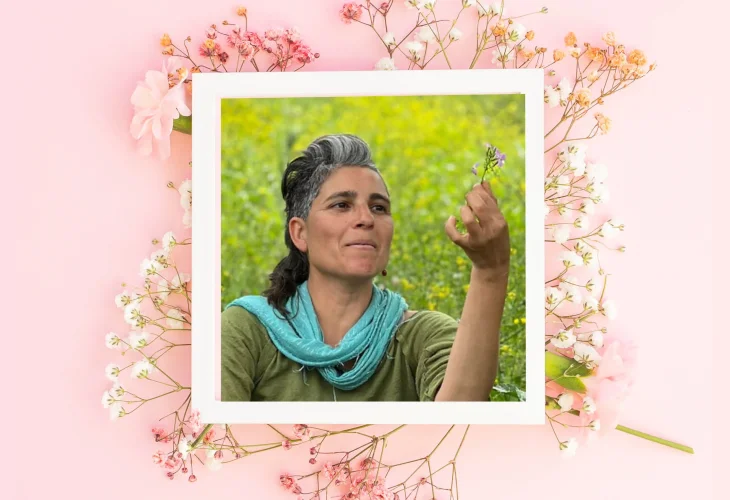 Lilach Mutsafi
Have you ever imagined that your next meal could grow right beneath your feet, in a nearby grove or even in a public park? Did you know that what many people call “weeds” can become a delicious addition to a fresh salad, or that wild strawberries can form the base of a refreshing and healthy smoothie?
Lilach Mutsafi, an expert with over 12 years of experience in plant studies and the art of foraging, believes that the nature surrounding us holds untapped culinary and health treasures. With thoughtful and responsible foraging, she says, anyone can create a “perfect meal” that is nutritious, healthy, surprising, and full of flavor.
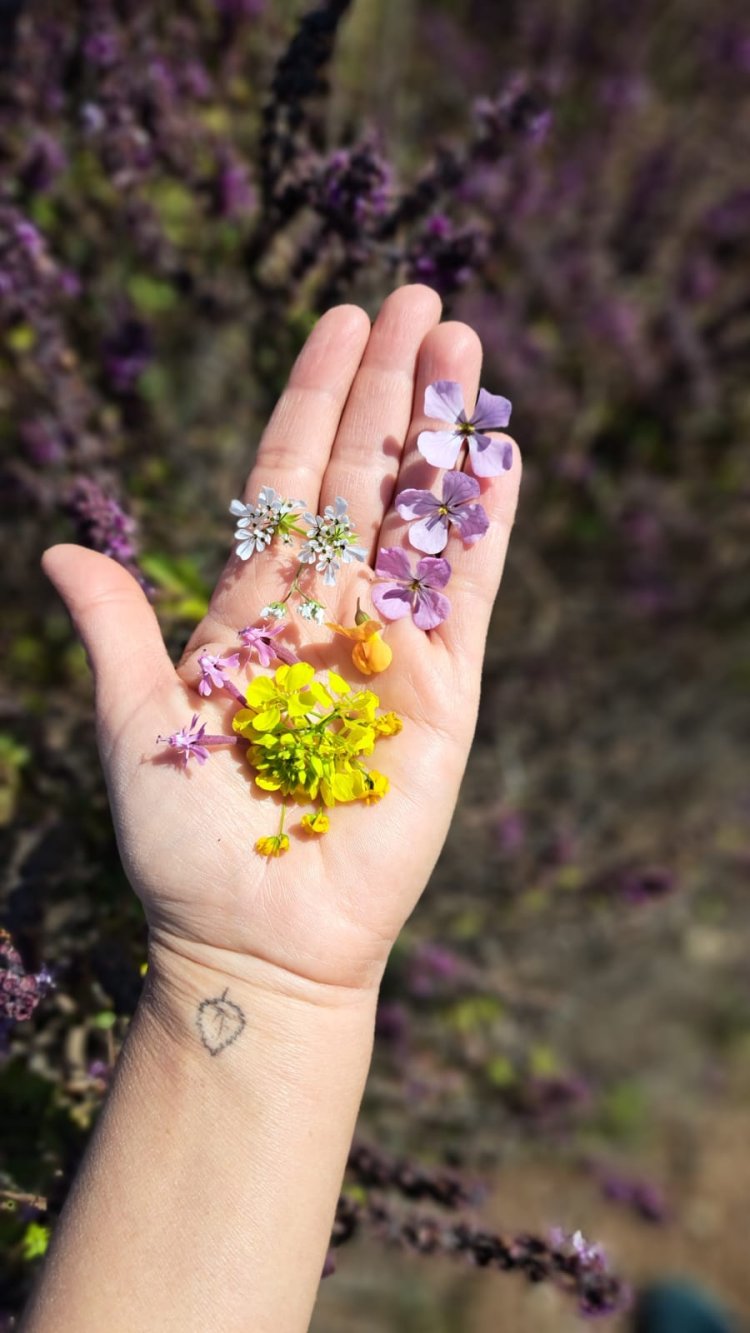
How is this done? Lilach shares her insights.
Foraging Made Easy
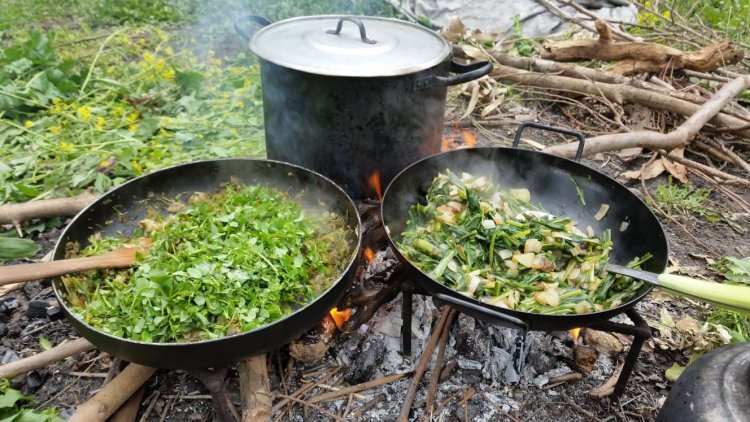
“First, it’s important to understand that as residents of Israel, we live at a unique climatic crossroads between desert and Mediterranean,” she explains. “This creates extraordinary plant diversity. Many wild plants grow here in abundance, some of them unique to our region. That means we can easily forage ingredients for a delicious and satisfying meal, whether cooked outdoors over a fire or prepared later at home.”
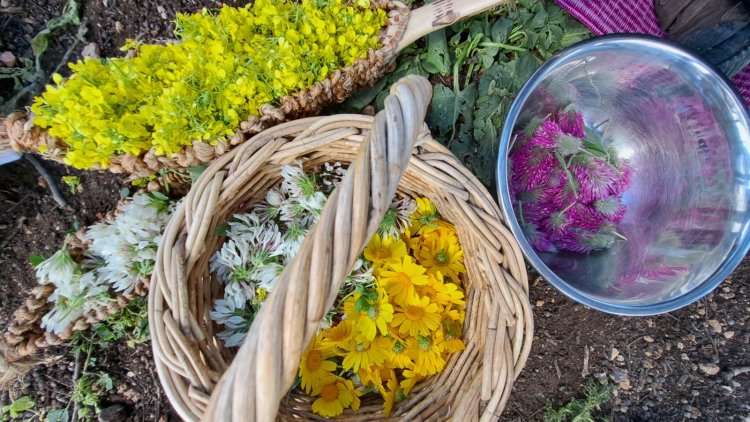
Still, she emphasizes that foraging must fit naturally into everyday life. “Personally, I take a special annual trip to the mountains to look for certain plants like akkoub around Pesach or sumac in the fall. That’s more of a festive outing. But in daily life, I recommend foraging plants that grow close to home: empty lots near the neighborhood, paths people walk along, or even unsprayed corners of your own garden. These nearby plants are actually the foundation of traditional foraging cuisine.”
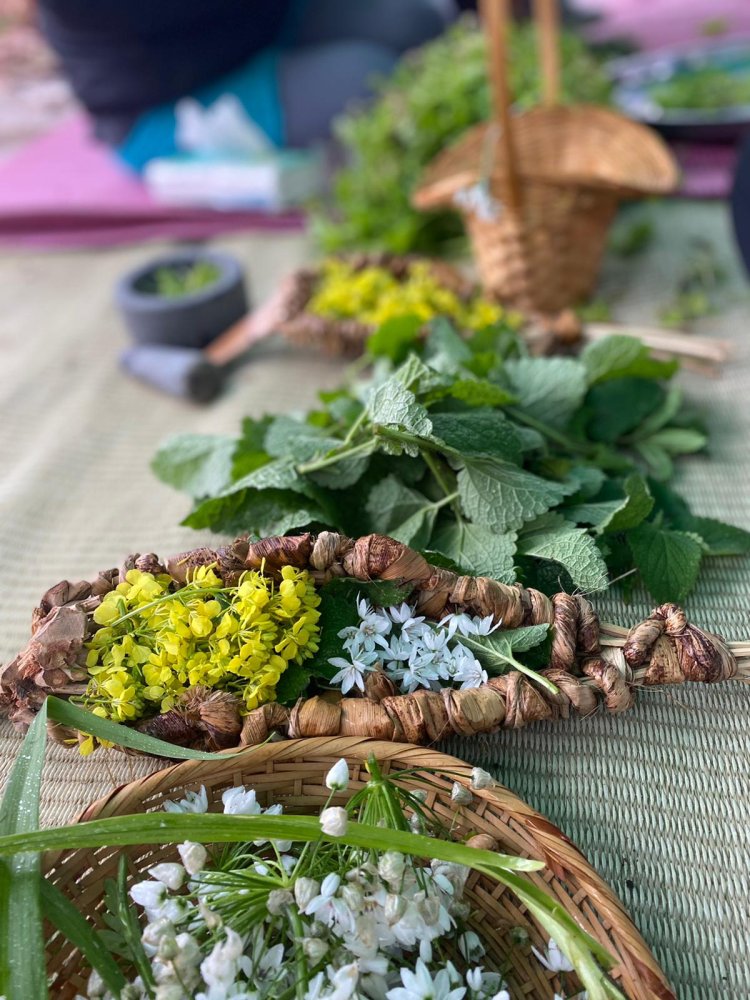
Is every wild plant edible?
“Absolutely not,” she says firmly. “Some plants are highly toxic and even deadly. Anyone who wants to forage must be able to identify plants with complete certainty.”
She gives an example: “Right now you can see the final bloom of white flowers along the roadsides, including wild carrot. It’s edible and is actually the ancestor of the cultivated carrot, just white. But it belongs to a plant family that also contains extremely poisonous species. If you confuse them, the result can be dangerous. That’s why I wrote my book, ‘The Guide to Foraging Wild Plants,’ which focuses on identification and includes 300 photos to help people learn safely.”
Pick and Enjoy
Which plants would you recommend beginners pick?
“Those who want the easiest option can pick fruits straight from trees or bushes, such as wild strawberries, carob, sorrel stems, or mallow fruits. They require no special preparation. Just pick and wash well. It really is that simple.
“For those willing to invest a little more effort, nature also offers more filling foods such as mushrooms, wild beans, and wild chickpeas. These can be satisfying and nutritionally rich, but usually need cooking.
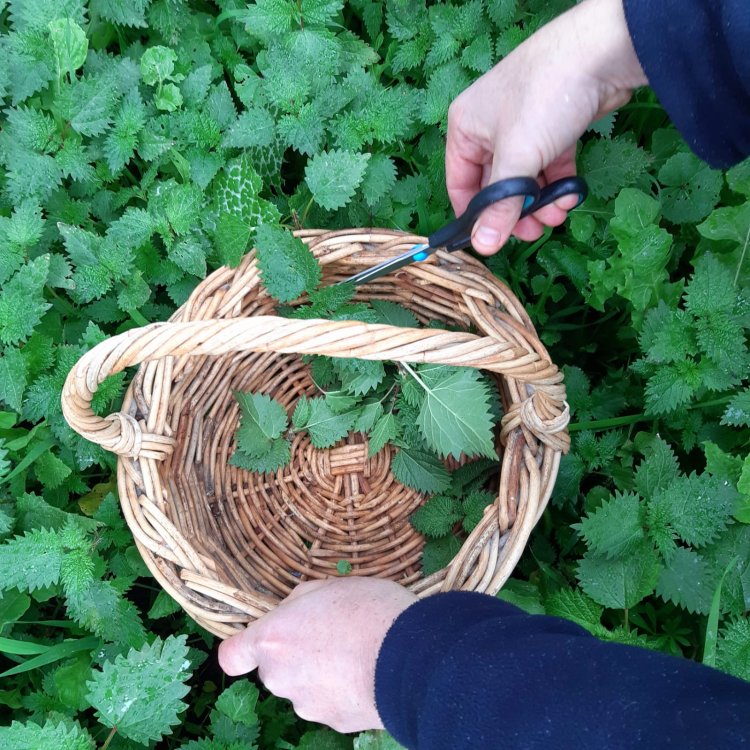
“There are also very easy-to-identify herbs like mustard, nettle, fennel, and others. They’re widespread and not endangered. In fact, if we don’t harvest them, many will simply be sprayed or uprooted as weeds.”
But how do these herbs fit into real cooking?
“The goal isn’t to eat a plate of nettle or mustard on its own,” Lilach smiles. “Rather, we use them as additions to everyday dishes: omelets, soups, stews, and more. Some plants can also be dried, ground into powder, and added to food without changing the flavor while significantly boosting nutritional value.
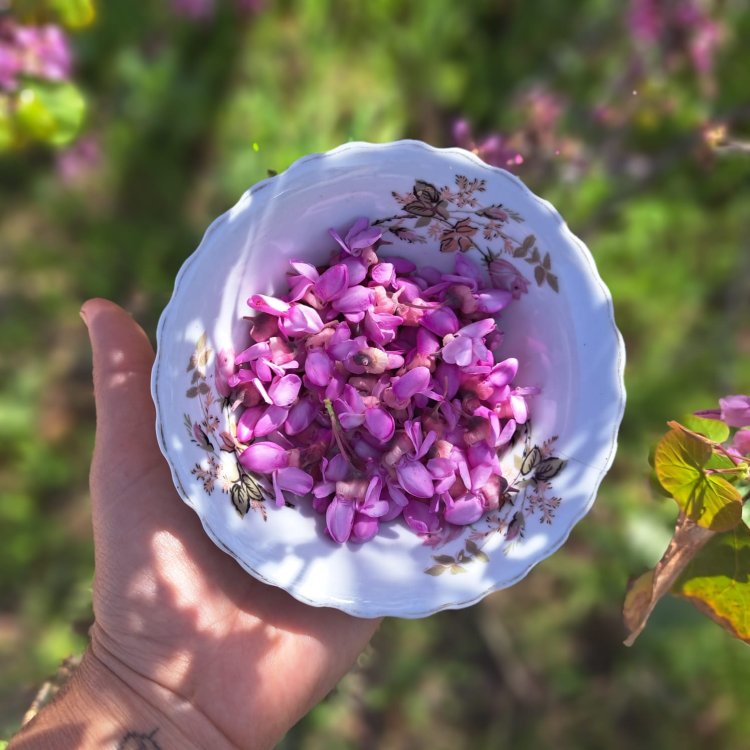
“For example, nettle powder is rich in iron, chlorophyll, zinc, calcium, and more. Other plants contribute mainly to visual beauty rather than taste. Even the simplest salad becomes more appealing when you add a few edible flowers from the garden.”
Taste the Wild
What about flavor? Are there particularly tasty wild plants?
“Definitely. One example is milk thistle, a striking plant with medicinal qualities. When its stem grows thick, it tastes surprisingly like cucumber. If you peel it, you get a large, mildly salty, crunchy snack that’s perfect straight from the field.
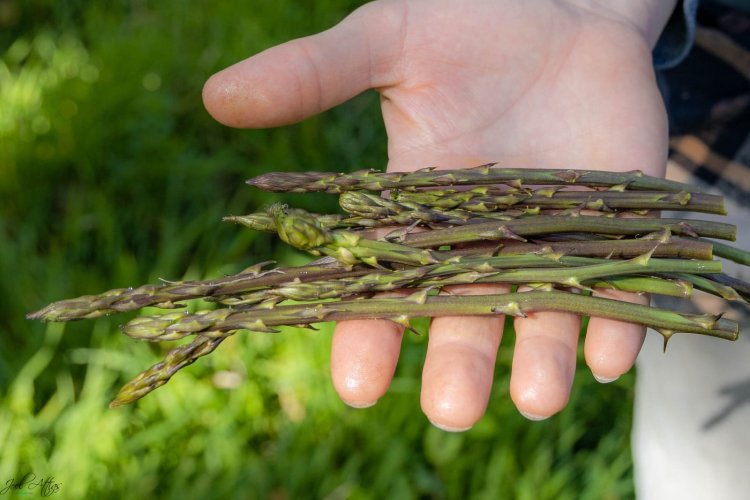
“Another favorite is wild asparagus, which grows seasonally in many areas of Israel. Its tender shoots are considered a delicacy. The flavor is mild with a slight bitterness and nuttiness. It works beautifully sautéed with olive oil and garlic, added to pasta, quiche, or stir-fry, or even eaten fresh in salads. Highly recommended.”
Lilach adds an important perspective: “Foraging is not meant to replace the supermarket. I still buy rice, legumes, and many other foods. Foraged plants are supplements. They add freshness, variety, and nutrients that haven’t been stored for weeks or processed. And beyond the food itself, the act of foraging brings connection to nature, curiosity, joy, and health.”
Cleaning and Safety
What about cleaning the plants?
“Of course, wild plants aren’t always clean. Roots may be muddy, leaves dusty. Always rinse thoroughly. But it’s worth remembering that store-bought produce often undergoes heavy sterilization processes that reduce nutritional value. Foraged food, when cleaned properly, is generally fresher and richer.”
She concludes with an important reminder: when foraging, always inspect plants carefully to avoid insects, and never eat anything unless you are completely confident in its identification.

