

Magazine
Against All Odds: The Commander Who Refused to Retreat
Join a powerful conversation with Avigdor Kahalani, legendary commander of Battalion 77 in the Yom Kippur War. He reflects on moments of impossible odds, profound personal loss, and the kind of leadership where courage begins by being the first to step forward.
- Moriah Luz
- | Updated
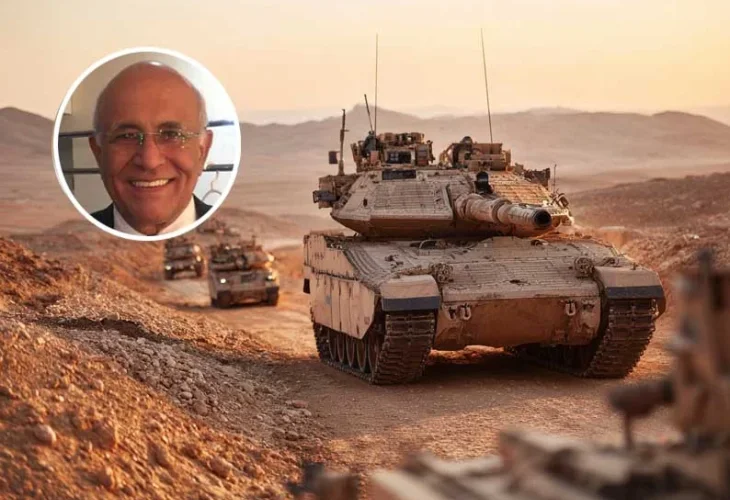 Illustrative Photo. Inset: Avigdor Kahalani
In the documentary Oz 77, Avigdor Kahalani recounts a pivotal moment during the fierce battles on the Golan Heights in the Yom Kippur War. “With no options left, I turned to my last ‘weapon’. I told my soldiers: ‘Look at the Syrians. Look at what good fighters they are. What happened to us? We are better than them.’ Then I shouted over the radio: ‘What do I see in my battalion, cowards?’ As I began to advance, I saw one tank join me, then another, and then another.”
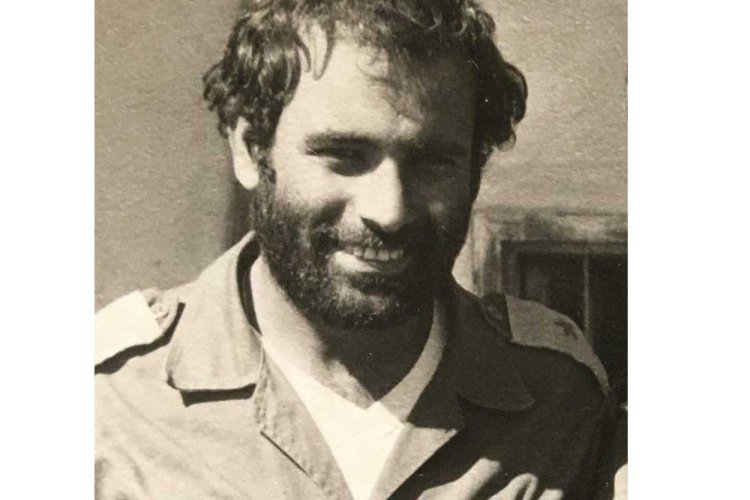 Avigdor Kahalani during his military service
Fifty-two years have passed since the war that shattered the sanctity of Yom Kippur with sirens and surprise attacks on Israel’s northern and southern fronts. Kahalani commanded a battalion of 44 tanks on the Golan Heights, fighting in the area that would later be known as the Valley of Tears, named for the ferocity of the battles fought there. Despite facing overwhelming Syrian forces and sustaining heavy losses, the campaign ended with Israeli tanks just miles from Damascus. For his leadership and courage, Kahalani was awarded the Medal of Valor.
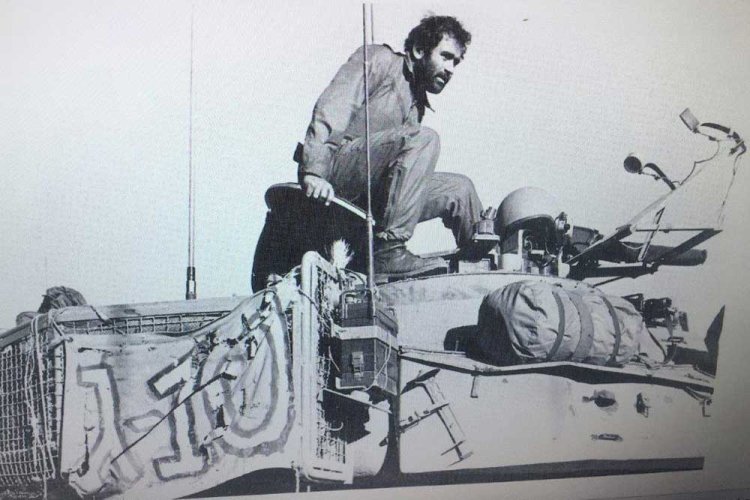 Avigdor Kahalani photographed on a tank
Refusing to Surrender
Today, at 81, Kahalani looks back on a remarkable military, managerial, and political career, while remaining active in public and volunteer life. “I was severely wounded in the Six-Day War,” he recalls. “Over 60 percent of my body was burned with third-degree burns, and I underwent 12 surgeries.” Refusing to accept a life defined by disability or pity, he made the decision to return to tank combat, which he describes as one of the most important choices of his life.
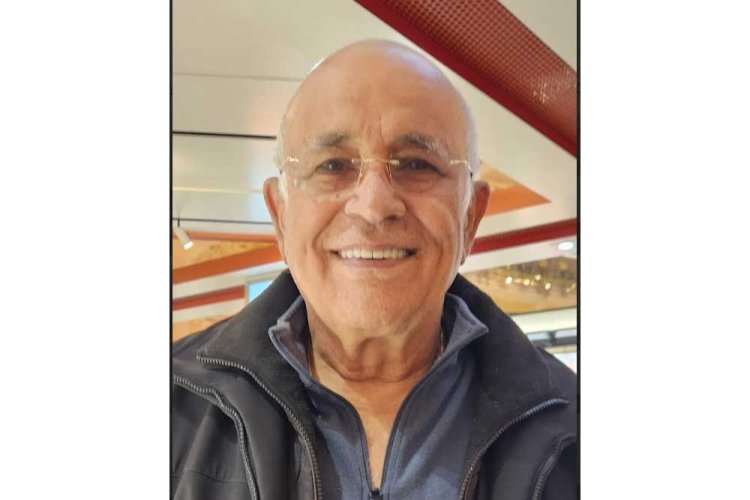 Avigdor Kahalani today
During the Yom Kippur War, Kahalani commanded Tank Battalion 77. Shortly before the war, around Rosh Hashanah, his unit was transferred from Sinai to the Golan Heights. “Personally, I thought there would be some symbolic attempt to take a small part of the Golan, not a full-scale war,” he admits. “I thank Hashem that when the war erupted, we were already there with a trained regular force.”
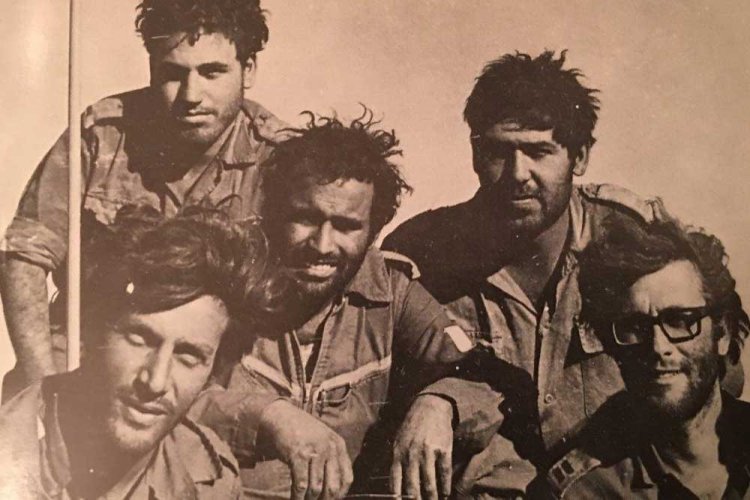 Avigdor Kahalani (center) with his fellow fighters
On the battlefield, the phrase “few against many” became a daily reality, as small numbers of Israeli tanks confronted massive Syrian formations. On the fourth day of fighting, Kahalani was ordered back to the Valley of Tears. “The mission was to retake positions the Syrians had captured,” he explains. At one point, he found himself facing four Syrian tanks alone and, drawing on his experience, managed to eliminate them in rapid succession. “There is always fear,” he says. “Courage means overcoming it.”
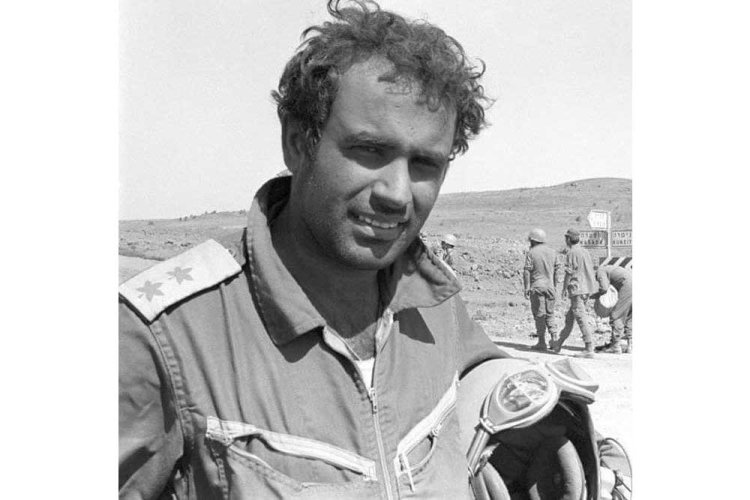 During his service
The war also brought devastating personal loss. Kahalani’s brother and brother-in-law were killed in combat. He was informed only after the fighting ended, a decision he believes was necessary so he could continue leading his soldiers without distraction. That loss, he says, deepened his understanding when speaking today with bereaved families and strengthened his commitment to persevere.
Honors and Humility
For his bravery, Kahalani received both the Medal of Valor and the Medal of Distinguished Service, making him one of only two individuals to be awarded both. Though he remains modest about such honors, saying they cannot compare to life’s personal joys, he believes they play an important role in inspiring younger generations.
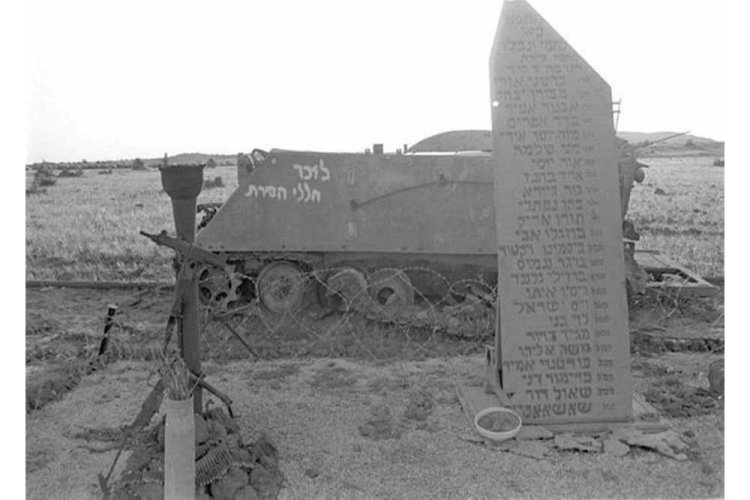 A memorial honoring the fallen of the Yom Kippur War
Reflecting on the present, Kahalani offers a clear message: “Our enemies will not leave us alone. My message to Jews around the world is to come home, because this is your place.” He believes that in time, the world will recognize Israel’s resilience, strength, and unique contribution.

