

Magazine
Stay Alert: Why Self Defense Matters More Than Ever
With attacks making headlines almost daily, Krav Maga instructor Moshe Konikov explains why awareness and preparedness are no longer optional. An interview about vigilance, responsibility, and learning to protect ourselves in uncertain times.
- Shira Dabush (Cohen)
- | Updated
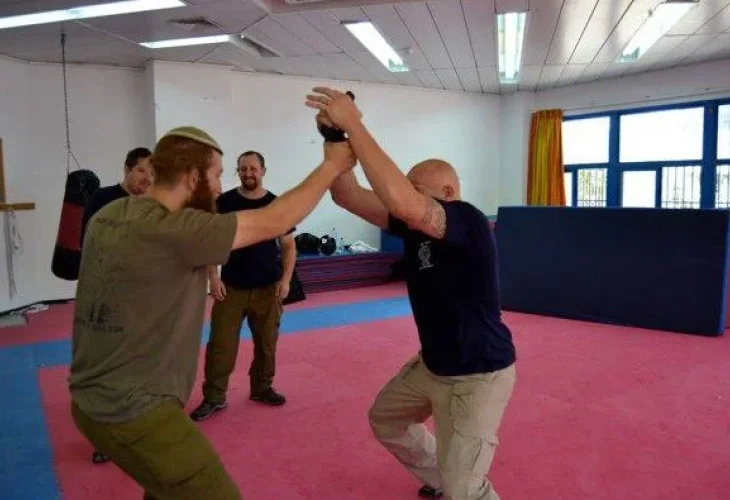 Moshe Konikov teaching Krav Maga
Rising Awareness
With daily news of knife attacks, Molotov cocktails, and attempted attacks, it is time to be extra cautious. We believe and pray, but as Moshe Konikov, a 25-year-old Krav Maga instructor, says, we must also take action. This means learning self-defense techniques.
"I've always been fascinated by Jewish heroism throughout history," Konikov, a resident of Bat Ayin, shares. "From resistance movements in ghettos to our time today, it has always been my ambition to work in this field. Nine years ago, I got the chance to pursue my dream by joining an international Krav Maga school run by my cousin, who teaches it worldwide." Now, he encourages everyone to do the same, to be prepared for any scenario.
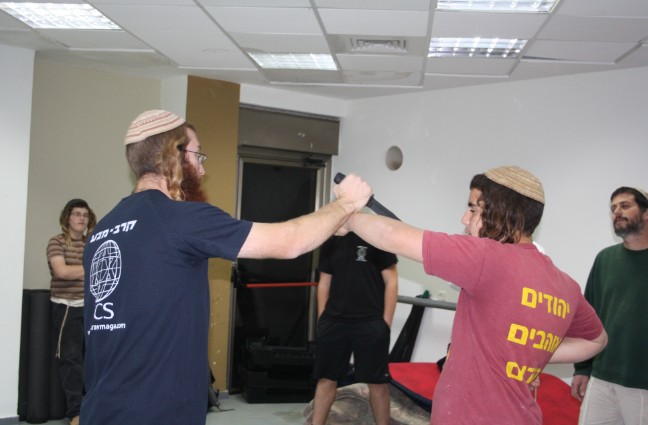
Why Krav Maga? Why not judo techniques, for example?
"The techniques learned in Krav Maga are closest to real-life scenarios. In judo, for instance, there's a concept of throwing the opponent down. But if the opponent is very strong or heavy, this may not work. Krav Maga, unlike other martial arts that drag out solutions, emphasizes ending an encounter as quickly as possible."
He emphasizes the need for awareness above all.
What do you mean by awareness? We can't walk down the street in constant fear.
"True, we shouldn't be paranoid, but we need awareness. There's a way to identify a lone attacker by noticing certain behavioral signs. A lone attacker operates without consulting anyone, acting on impulse, often carrying a weapon like a knife or screwdriver. The attack happens in a split second, making it hard to prevent. Therefore, heightened awareness is vital to spot suspicious behavior and appearance."
What should we look for?
Unseasonably warm, long clothing, unexpected directions such as leaving a corner when everyone else is in line, strange muttering, or tunnel vision focusing only on the target. Look for nervous behavior, hands in pockets, and sweating. Pay attention to hand placement. If their hands are behind their back, question what they might be holding and if it's dangerous.
So, what to do if you suspect someone? Konikov advises that hand position is crucial. "Our hands should always be above theirs," he notes. "If their hands are in pockets, ours should be higher. Why? If they attack your head, they must first get through your hands protecting it. Additionally, hands up can quickly reach their face, where eyes are a strong point of vulnerability. Using fingers or an object to strike the eyes can distract the attacker, giving you time to respond."
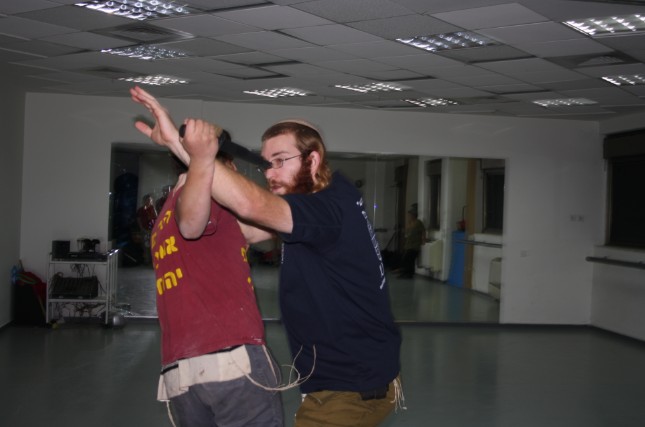
The Five Principles for Responding to an Attack
Decisiveness – Respond with determination rather than hesitation.
Avoid Prolonged Struggle – The goal is to escape danger, not to “win” a fight.
Speed of Reaction – Acting quickly, even imperfectly, is often better than freezing.
Damage Awareness – Stay as calm as possible and focus on reducing harm.
Neutralizing the Threat – Prioritize removing the danger and getting to safety.
Konikov stresses that the goal is not to live in fear, but to live with responsibility. "We hope never to need these skills," he says, "but just as we learn first aid without expecting disaster, we must also learn how to protect ourselves." In uncertain times, awareness, preparation, and faith together can make the difference between vulnerability and resilience.

