

Magazine
Strasbourg’s Jewish Community: Life, Faith, and Responsibility
Hannah Buchinger, a devoted mother and grandmother, shares her experiences of life in Strasbourg, France, where a vibrant Jewish community continues to thrive despite challenges such as antisemitism and political unrest.
- Hidabroot
- | Updated
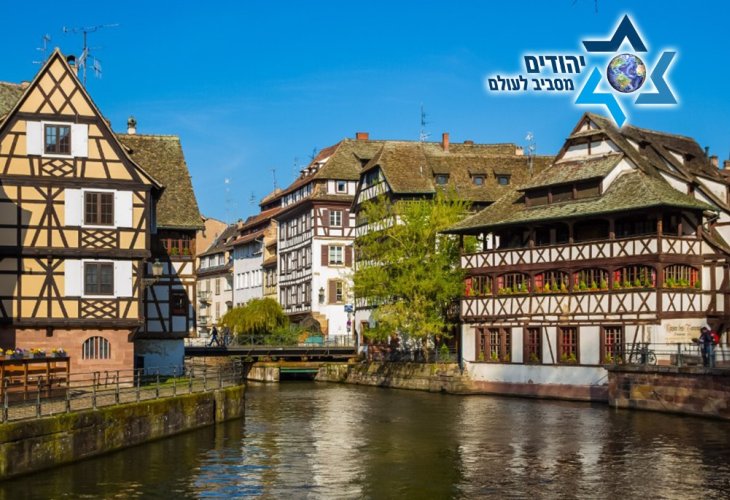 (Photo: Shutterstock)
What does Strasbourg mean to you? ![(Photo: Shutterstock)]() (Photo: Shutterstock)
(Photo: Shutterstock)
![The Alsace lamp, lit every Shabbat]() The Alsace lamp, lit every Shabbat "Interestingly, my father was born in Poland and survived the Holocaust thanks to Rabbi Gershon Liebman z"l, who cared for him in refugee camps and France's 'Beit Yosef' yeshiva. In 1950, my father moved to Argentina, never imagining his daughter would return to France."
The Alsace lamp, lit every Shabbat "Interestingly, my father was born in Poland and survived the Holocaust thanks to Rabbi Gershon Liebman z"l, who cared for him in refugee camps and France's 'Beit Yosef' yeshiva. In 1950, my father moved to Argentina, never imagining his daughter would return to France."![The ancient synagogue of Wolfisheim]() The ancient synagogue of Wolfisheim
The ancient synagogue of Wolfisheim![Hannah's Shabbat kitchen with hot plates]() Hannah's Shabbat kitchen with hot plates
Hannah's Shabbat kitchen with hot plates
![Family home during Chanukah]() Family home during Chanukah
Family home during Chanukah
Strasbourg is home to a vibrant and continually growing Jewish community, thank G-d. The city offers a rich range of communal life, including educational institutions, synagogues, study halls, community centers, kosher shops, and even restaurants. Just last week, we held an event celebrating the completion of the Shas, the full cycle of the Talmud, attended by more than six hundred people from across the spectrum of Jewish life, reflecting remarkable unity.
Strasbourg is a beautiful city located about 500 kilometers from Paris, near the German border. The Alsace region has a complex and fascinating history, having shifted between German and French control over the centuries. Jewish history is deeply felt here, from the eras of the geonim and rishonim, through Napoleon’s Sanhedrin and its impact on Jewish life, the turmoil of two world wars, and the inspiring rebuilding of the community we see today.
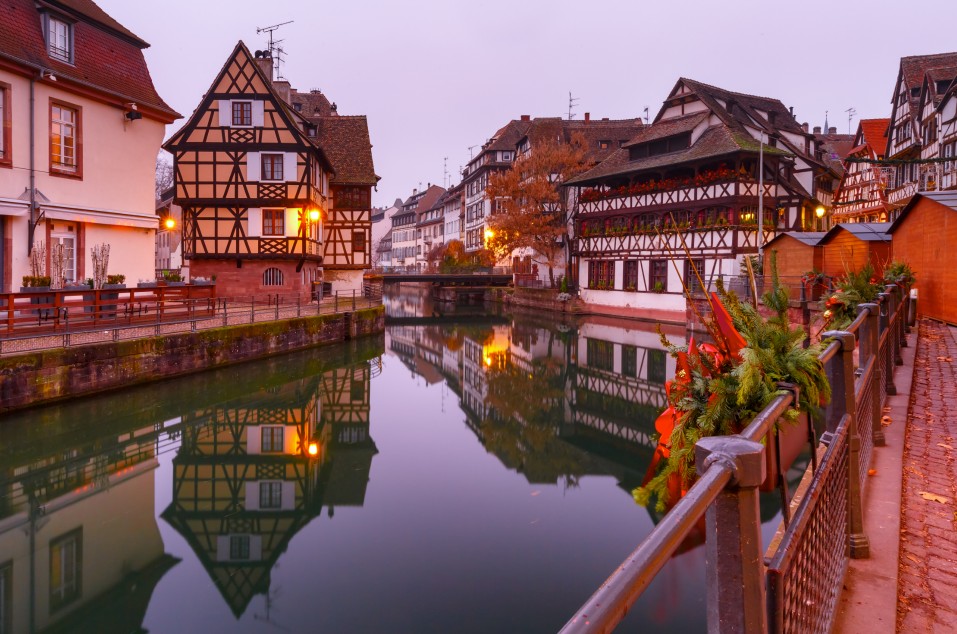 (Photo: Shutterstock)
Why did you choose to live here?
"I've lived here for almost forty years. I was born in Argentina and met my husband in Israel. My husband, who was born in Strasbourg, and I chose to build our home here. Initially, we considered moving to Israel, but on the advice of community elders, we stayed. My husband is actively involved in the community through his work as a doctor, while I manage an educational institution. Our shared goal is to contribute to our community, offer hospitality, and maintain our connection to Israel."
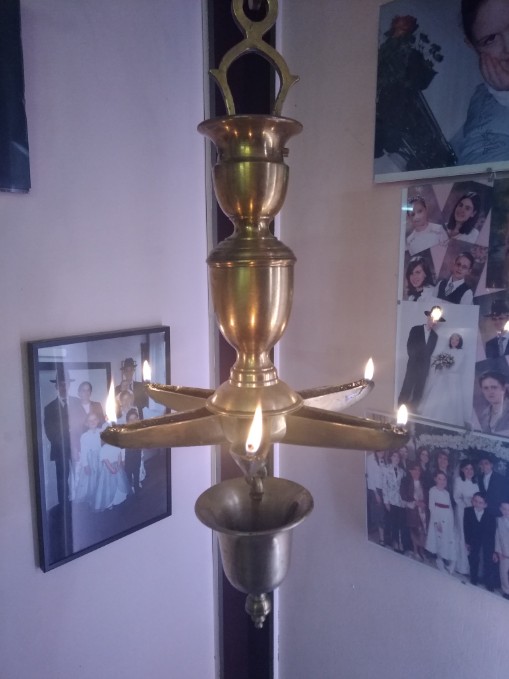 The Alsace lamp, lit every Shabbat
"Living in France, we've built a fulfilling life, strongly contributing to our community while holding deep ties to Israel."
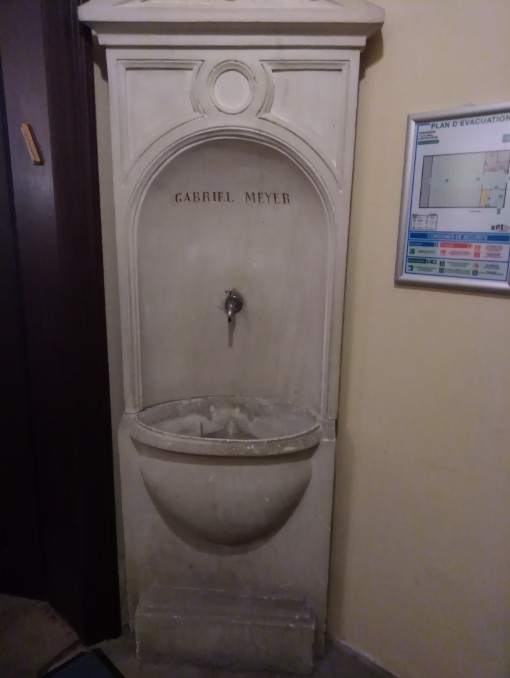 The ancient synagogue of Wolfisheim
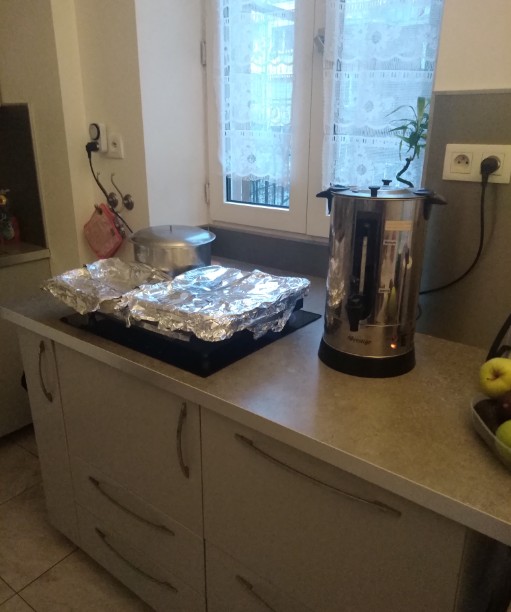 Hannah's Shabbat kitchen with hot plates
How do you experience Shabbat, and how do you prepare for it?
“Shabbat, our most precious gift. Preparations begin on Sunday, with early cooking and baking to manage the quantity and variety needed. We keep our home open to guests, welcoming everyone from students to travelers. Strasbourg, with its well-known universities, attracts students from around the world, which creates a real need for communal warmth and support to help preserve Jewish identity.”
What is the weather like where you are?
“It’s cold and rainy. Temperatures often drop below zero, but our homes are well heated, which protects us from the worst of the cold. I still remember a particularly harsh winter when my eldest child was born, with temperatures reaching minus twenty-five degrees.”
What is the political climate like?
“Tense and complex. The government is implementing economic reforms that have led to widespread protests and strikes, largely due to cuts in social benefits following years of generous policies and the resulting budget deficit. The unrest is clearly visible across the country.”
Are Jews involved in the government?
“There are a few Jews in government, but they do not hold especially prominent positions.”
Do you experience antisemitism?
“Unfortunately, yes. It is a growing concern across Europe. While our Jewish neighborhood feels relatively safe, it can be risky to appear visibly Jewish in certain outlying areas. We have also seen desecration in Jewish cemeteries, which is a painful reminder of our reality.”
How was Chanukah experienced?
“The community celebrated Chanukah with events, candle lighting, and the sharing of traditional treats. I attended a Chanukah celebration at the local home for the elderly and also participated in a historic candle lighting ceremony at the ancient synagogue in Wolfisheim.”
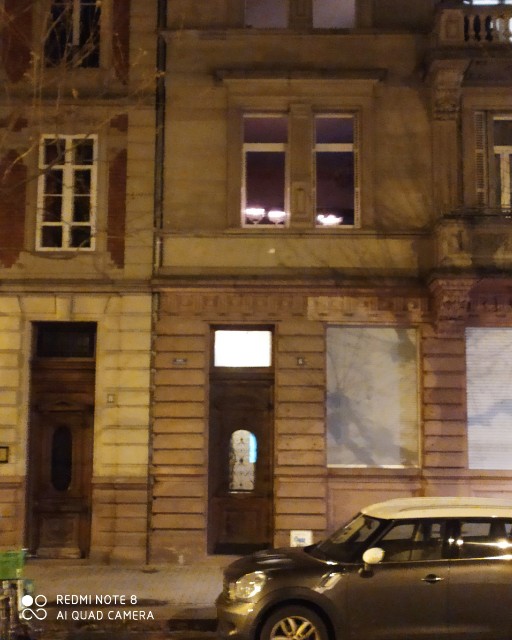 Family home during Chanukah
Have you visited Israel, and when?
“I visit Israel often and cherish the opportunity to see my seven children who live there, take part in the community activities they lead, and always conclude our visits with the deep emotion of praying at holy sites.”
What is a story that could only happen here?
“My husband, a doctor, was once called for an unusual police duty just before Pesach. He encountered the body of a Jewish woman in extremely difficult circumstances, her identity and heritage almost completely unknown. Through what felt like clear divine orchestration, he happened to be there to ensure she received a proper Jewish burial. Every Pesach, we remember this story with deep emotion and gratitude.”

