

Magazine
A Brave Little Soul: The Journey of Hila Efrat
When Ronali Kinneret Vaknin learned her daughter, Hila Efrat, had a terminal illness, she dedicated every moment to fulfilling her wishes. Little did she know, Hila Efrat would give her family the greatest gifts of life.
- Michal Arieli
- | Updated
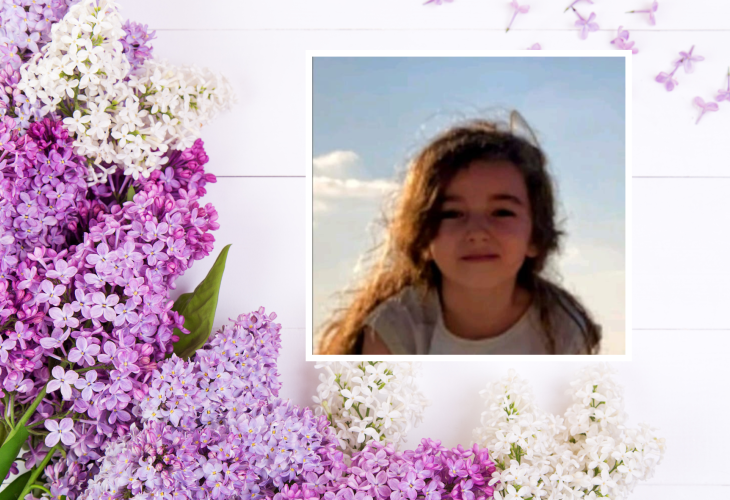 Hila Efrat
 If someone had told Ronali Kinneret Vaknin two years ago what lay ahead, she would not have believed it. A mother of four and a schoolteacher living a quiet, ordinary life, she assumed her days would continue along that familiar path. But when her daughter, Hila Efrat, was diagnosed with a life-altering illness, everything changed.
“It began during a family trip,” Ronali recalls. “Our Hila Efrat, then still called simply Hila, suddenly became very unwell. She was vomiting and complaining of stomach pain. At the hospital they said she was probably dehydrated. But deep inside, I felt something wasn’t right. We hoped she would recover, but instead her condition worsened. When she began struggling to walk steadily, we understood something was seriously wrong.”
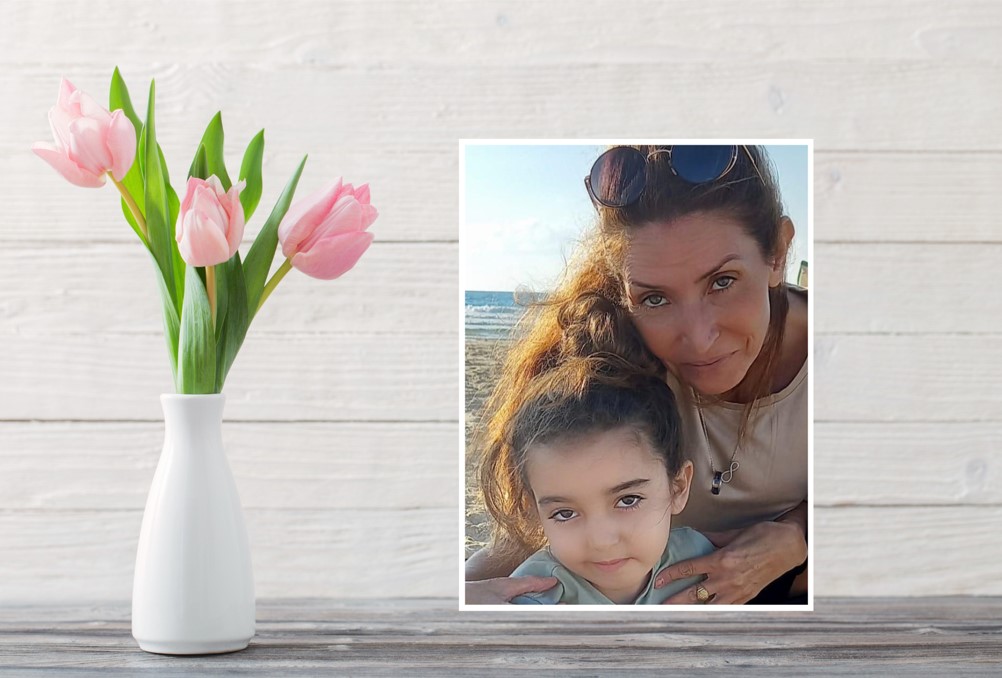 Ronali and Hila
Using Every Moment
Ronali and her husband Moshe took Hila Efrat to many doctors, yet at first no one found anything abnormal. Even hospital staff suggested it was a passing virus or perhaps emotional distress.
“We began therapy, but her condition continued to decline. Eventually, a CT scan revealed a rare tumor, one that affects only about 300 children worldwide each year. In Israel, there are roughly ten cases annually. From the very beginning, we were told there was no cure.”
How did you learn about the diagnosis?
“The CT led to an MRI. That same day, the senior professor of the department told us our daughter had an incurable brain tumor and that she had about two months to live. The shock was devastating. Hila had always been the healthiest child. I am an optimistic person by nature. I never imagined something like this could happen to us.”
There was no time to remain in shock.
“The doctors explained that treatments like radiation would not cure her, but might extend her life. She was given steroids, which caused noticeable weight gain. We saw the illness gradually take hold.”
Did you tell her about her condition?
“No. We could not bring ourselves to tell her. How do you explain something like that to a child? We never used the word ‘cancer.’ Hila was intelligent and asked why she could not go to school or why walking was difficult. I told her there was something like a spoon pressing inside her head. She understood that explanation and never complained.
We prayed constantly for a miracle. Once, during a medical crisis, she overheard the word ‘cancer.’ The doctors told us it was time to say goodbye, but I refused to accept it. I promised myself that one day I would explain everything to her. I regret that she heard the word at all. And yet, for another six months, she lived with a smile, with encouragement, with light. Nothing dimmed her spirit.”
Ronali left her job as a teacher and devoted every moment to her daughter.
“Family and friends surrounded Hila with everything she loved: crafts, baking, play, visits to animals like Danny’s Farm, and more. Her illness never defined her. She was our healthiest patient,” Ronali says softly.
Did she suffer pain?
“Hila never experienced physical pain, neither from the tumor nor otherwise. We chose home care rather than hospital care, because we did not want treatments that would harm more than help. Most of her time was spent at home, surrounded by family. Her physical abilities declined, but her love for life never did. We supported her creativity even when her body could no longer cooperate. She never stopped living.”
A Mission of Love
Did you sense how it might end?
“We prayed endlessly and sought blessings from rabbis and spiritual figures. Even when great rabbis gave us blessings, we still faced reality. Hila Efrat had a mission in this world: to teach love and joy. She came to show us how to care for others. She was our ambassador of love.
We chose to care for her at home because we wanted our children to learn what true devotion looks like. I have no regrets about that choice.”
For Ronali, Hila embodied pure love.
“I fought with everything I had to prevent her from being moved elsewhere. She belonged at home. We wanted her to have every comfort. Hila loved grand gestures. She would distribute gifts from her pink toy jeep, preparing personal packages for each family member so that everyone would feel seen and special. Her life was made of quiet acts of love.”
Did she understand how serious it was?
“Hila understood, but the illness never frightened her. Her optimism sustained all of us. Even after hearing the word ‘cancer,’ she told me, ‘Don’t cry, Mom.’ I listened to her and saved my tears for private moments. She chose joy, every day, and taught us to live in the present.”
Despite her young age, Hila’s wisdom was striking. Ronali recorded many of her sayings in a gratitude journal.
“I hoped it would become a book about a miracle. Instead, it became a book of grace and love. She lived for two full years, far beyond every medical prediction. Her doctor said openly, ‘She defied all statistics.’”
The White Rabbit
Ronali explains that many people only fully grasped Hila’s special nature after her passing.
“But I always knew she was extraordinary. From a young age, she cared deeply for everyone, especially for children who struggled or felt different.”
During her illness, did life continue as usual?
“She rarely attended school. During the first year, she still joined us on family outings. Later, when her condition worsened, people came to her instead. Entertainers, teachers, singers, friends. Our home was filled with visits. There were frequent celebrations. Hila created games, brought people together, filled the house with laughter. She turned limitation into strength and wove our family tightly together.”
Hila loved stories and humor. She began collecting jokes and songs, which are now preserved by her family.
“One of her favorite stories was ‘The White Rabbit,’ a symbolic tale that spread far beyond our home. Inspired by her love of storytelling, I eventually turned it into a book, which I published on her birthday.”
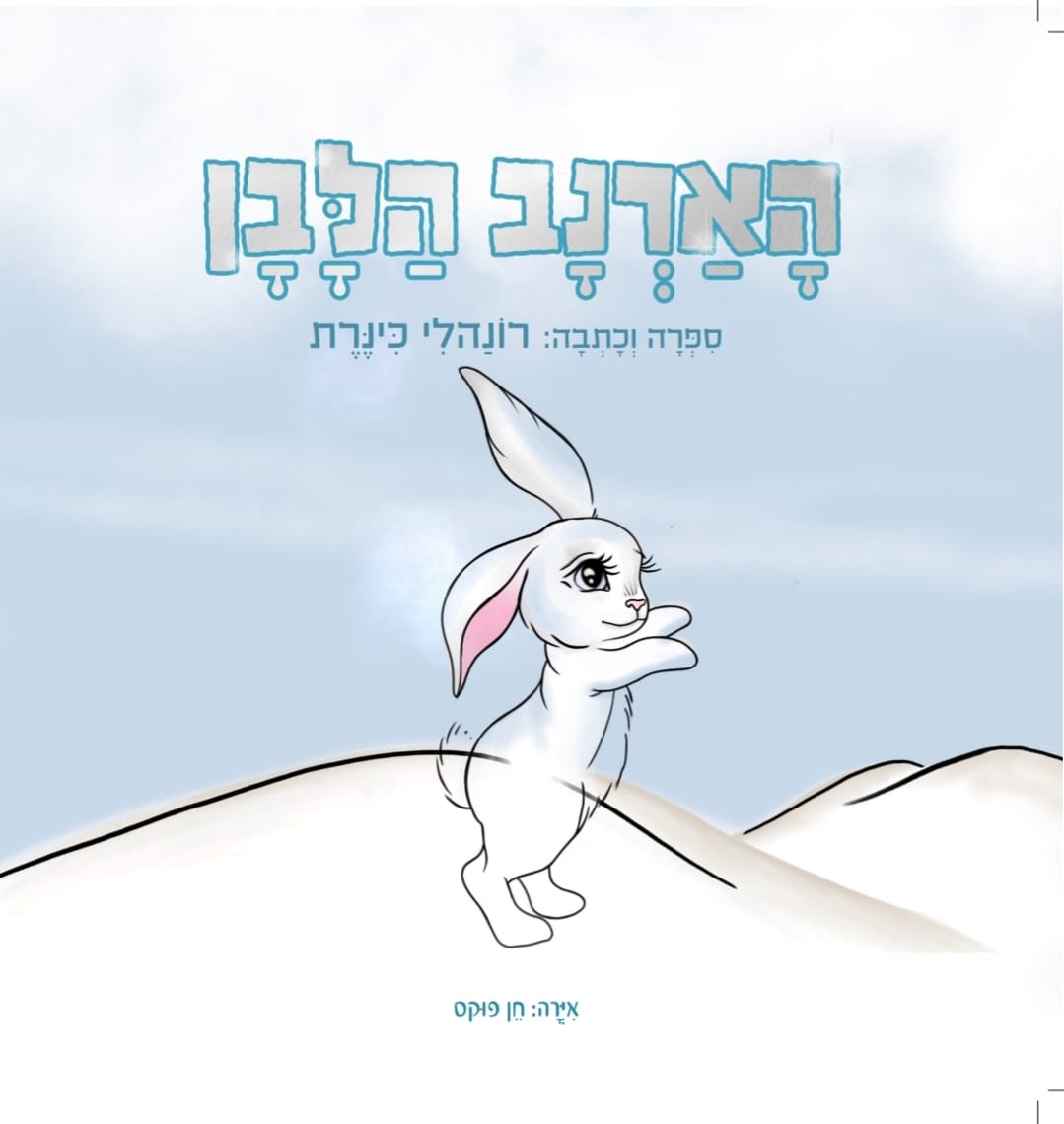 The White Rabbit, one of Hila's favorite stories
Good Morning to the Full Glass
“Hila Efrat passed away on the 17th of Iyar, shortly before Lag B’Omer,” Ronali says. “Even the timing felt meaningful, as though joy would remain close to her story.”
How did she live beyond all predictions?
“There is no medical explanation. Only love. Her doctor once said, ‘Your love changed the statistics.’ Even in her final days, she was fully present. We still played, laughed, and lived together.”
What led to the end?
“A few days before she passed, I saw a sadness in her eyes. I asked gently, ‘Are you afraid you won’t be here for my birthday?’ She squeezed my hand. We understood each other without words. We shared a silent goodbye. As painful as it was, telling her she was free brought a strange sense of peace. She was surrounded by love.”
Ronali admits her faith was shaken at first.
“Inside, I cried out, asking how this could be just. But the long farewell felt like Hashem giving us the gift of time to prepare, to say goodbye, to love more deeply. Even if I do not fully understand, I trust that He loved her even more than we did.”
Not long before her passing, Hila began saying a phrase that became Ronali’s guiding light:
“Good morning to the full glass.”
“I don’t know where she found those words,” Ronali says, “but they became my path. She also used to say, ‘Everything passes, all for the good.’ Those words accompany me every day. I believe we will meet again one day, and that the song of her life has not truly ended.”

