

Magazine
Moshe Louk: The Voice of Piyut Bringing Ancient Jewish Poetry to Today
From France to Israel, from family tradition to personal mission — how Moshe Louk uses piyut, faith, and music to bring people closer to God
- Avner Shaki
- | Updated
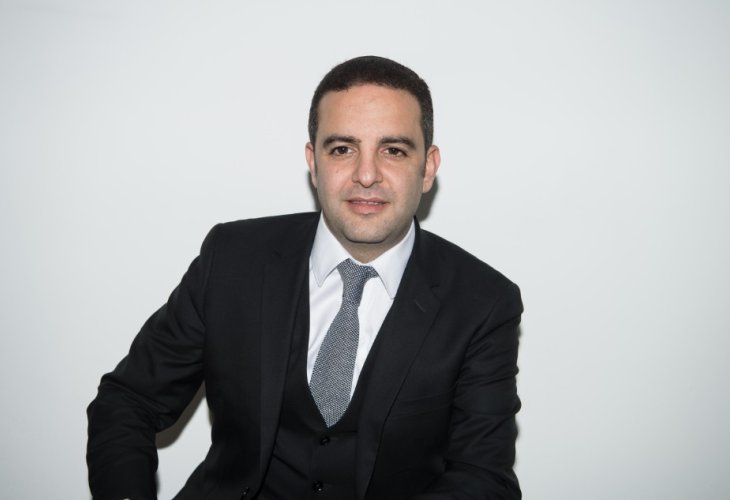 Moshe Louk. Photo by Joe Louk
Moshe Louk is a paytan, singer, and cantor, performing in Hasidic, Eastern (Mizrahi), French, and Andalusian styles.
A Childhood Story That Stays With You
“I was born in France, in a city near Paris, and I immigrated to Israel at the age of 15. My family made aliyah when I was 13, but I stayed behind to study in yeshiva. The transition to Israel was not easy — the mentality is very different, even today, and certainly twenty years ago.
“One of the strongest memories from my childhood is, of course, singing cantorial music and piyutim (Jewish liturgical poems). The Louk family is a family of paytanim; everyone grows up with it. My uncle is Rabbi Chaim Louk, whose name precedes him — the paytan. My father is the paytan Raphael Louk, and his twin brother is Yaakov — everyone is involved in piyut.
“In my teenage years I began studying piyutim with Rabbi Chaim Biton, and I did so for 12 years. With God’s help, through great effort and hard work, I reached where I am today. I feel like I won the lottery. What could be better than bringing joy to God and to people?”
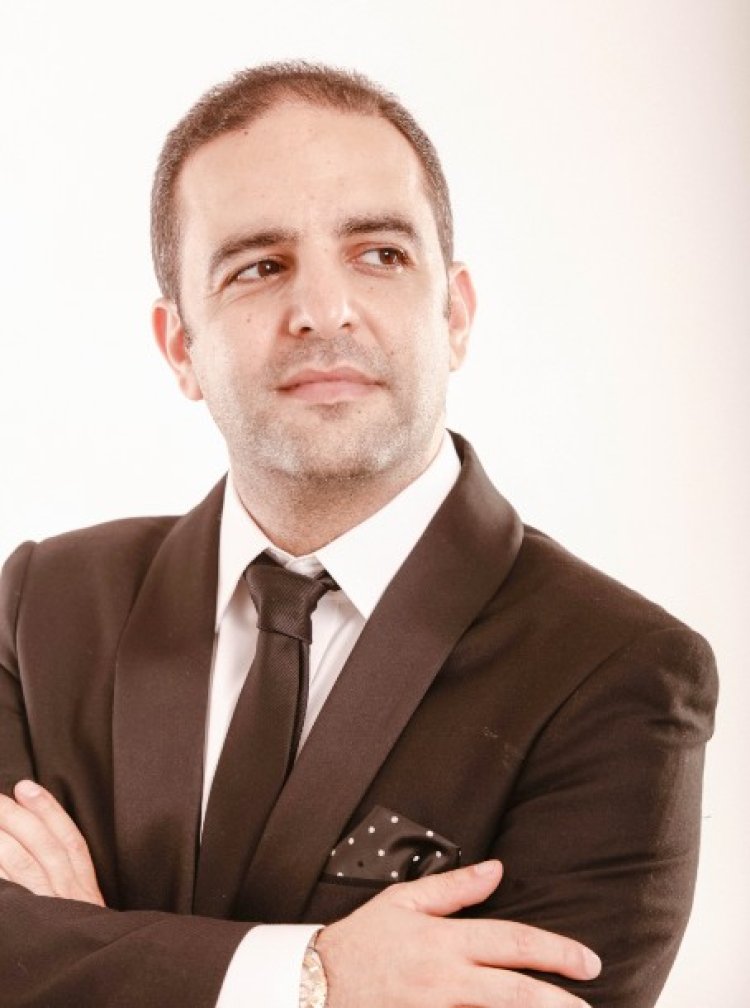 Photo: Joe Louk
Share a Complex or Painful Moment in Your Life
“Every day I deal with challenges. Life itself is one great test, and all we can do is thank God for what happens to us. That said, I’ll share a difficulty connected to the world of piyut.
“Until not so long ago, many people were embarrassed to say they were Moroccan. Even today it exists, but much less. The same was true regarding piyut — people were embarrassed to sing our beautiful songs. It’s unbelievable to see how different things are today.
“Today, songs from the traditions of Eastern and North African communities are popular among yeshiva students — and I can hardly believe it. These songs now give people a sense of pride, but it wasn’t always like that. In France, by the way, this phenomenon doesn’t exist at all. I studied there in the Novardok Yeshiva, which follows the path of the Alter of Novardok. I come from a Moroccan family and prayed in the tradition of my ancestors, but we also learned a great deal of Mussar, as practiced there. I really love this combination.”
How Is God Present in Your Life, and How Does He Influence What You Do?
“God is with me all the time. In general, I see the singing of piyutim as a mission. These are incredible texts, filled with holiness and purity, written by the greatest sages — Rabbi Yehuda Halevi, Ibn Ezra, Rabbi Shlomo Ibn Gabirol, and others.
“Giving people the opportunity to know and sing these piyutim is a true mission. I see clearly how it brings people closer to God. At the annual Piyut Festival at the Dead Sea, and at other events we organize, many people who are not observant also come—and you can see how it draws them closer to God.
“When I first began singing, my uncle Rabbi Chaim Louk, a tremendous Torah scholar, told me: ‘You need to decide what you want to be — a singer who performs all kinds of songs, or a paytan who brings people closer to God.’ He spoke to me a great deal about the spiritual power of piyut, and I see those powers in reality.”
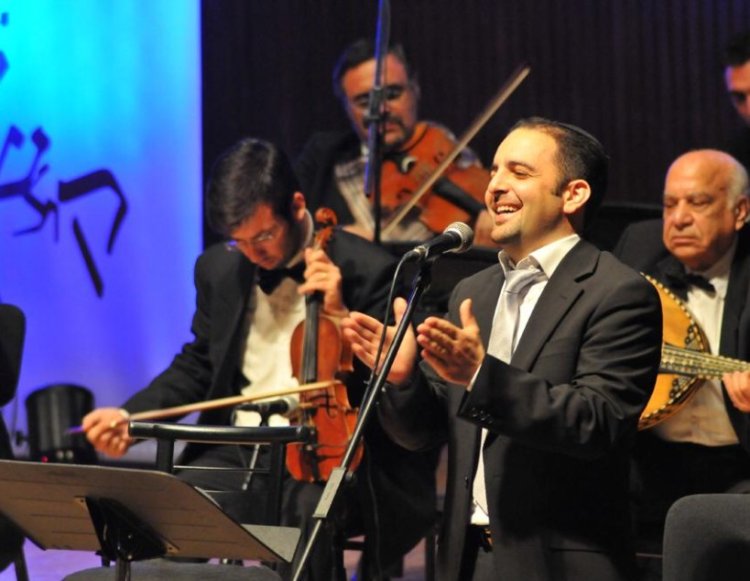 Photo: PR
An Interesting Meeting or Conversation
“A few years ago, a man I didn’t know called me and said, ‘My father loves you very much, and he is about to pass away. We would be so grateful if you could come and sing for him.’ I agreed. When I arrived, I saw his condition and the machines around him, and I understood that he had only moments left.
“The situation deteriorated, they disconnected the machines, and they waited for his passing. It was Motzaei Shabbat, so I sang Moroccan Shabbat and Motzaei Shabbat songs for him, and he began to cry. It was one of the most moving moments of my life. During the singing, that man returned his soul to his Creator.”
“A few years ago, during the High Holy Days, I suddenly received a phone call in the middle of the night. On the line was a respected professor I know. He woke me up and said, ‘Listen, I’m in the hospital right now. I need to treat a child who is severely burned, but we can’t touch him. We asked which singer he loves in order to calm him down, and he said he wants you to sing “Et Dodim Kallah.”’
“Of course I agreed. I sang for him for about 20 minutes, and that’s how they were able to treat him. It moved me deeply.”
A Song That Influenced You Especially
“There isn’t one specific piyut that influenced me more than others. Any piyut with positive content speaks to me. With such an abundance of piyutim, it’s impossible to choose just one.”
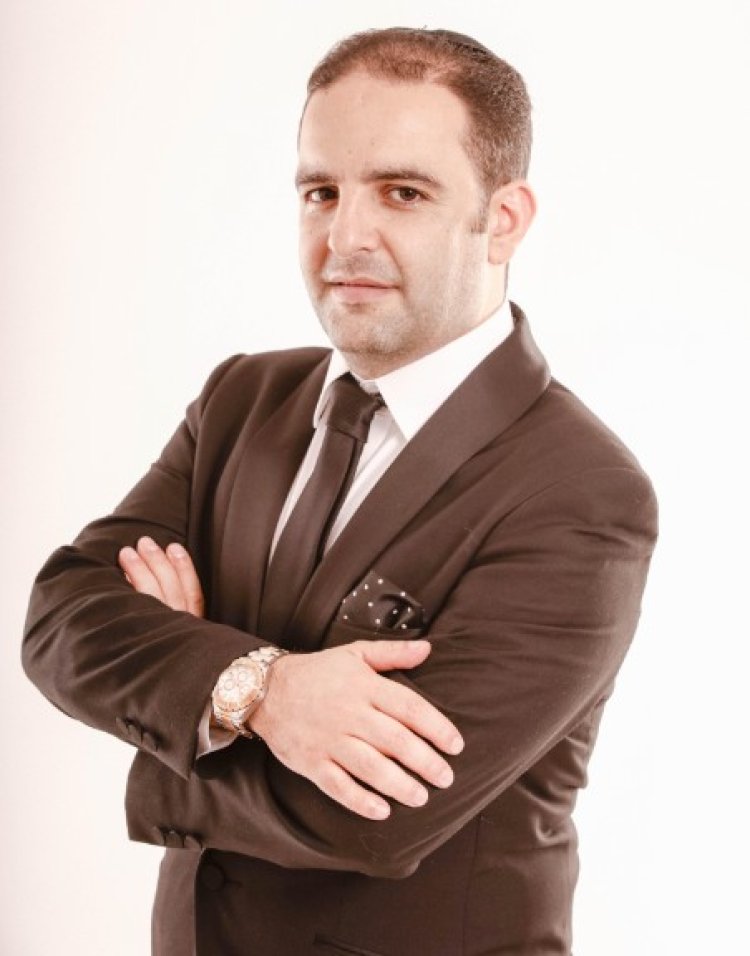 Photo: Joe Louk
A Study Experience That Was Especially Meaningful
“For me, studying halacha is above all else. I try to focus on halacha because it accompanies a person every single moment of life. Beyond that, I’m also very connected to Talmud. Studying Talmud is not simple — it’s challenging, but also important and deeply rewarding.”
Professionally, Are You Where You Imagined You’d Be?
“I never imagined I would reach where I am today, and it’s not something I take for granted. Every day I thank the Creator for it. I know that when a person truly sits and invests effort, with God’s help, he eventually succeeds.
“I spent decades studying — entire nights, from eight in the evening until morning — learning material, rhythm, musical instruction for piyut, and much more. I invested a great deal and always remembered that everything comes from divine assistance. In the end, you need many prayers, and you need God to be with you.”
Where Would You Like to Be in Ten Years?
“I have many dreams. One of them is to sing with artists whom I truly love and respect. There is even a non-Jewish singer I would love to sing with, but I prefer not to, so that I sing only songs of holiness.
“On a personal level, my dream is to build a large family and spend Shabbatot with my family, instead of constantly going away for Shabbat weddings and events. Singing can always be done, but family life is the most important thing.
“In addition, I would like to establish a musical next generation — to teach others. We have an important goal: to glorify piyut and give it its rightful place. To do that, we must bring the younger generation into it. They will teach the next generation after them, and so on, from generation to generation.”
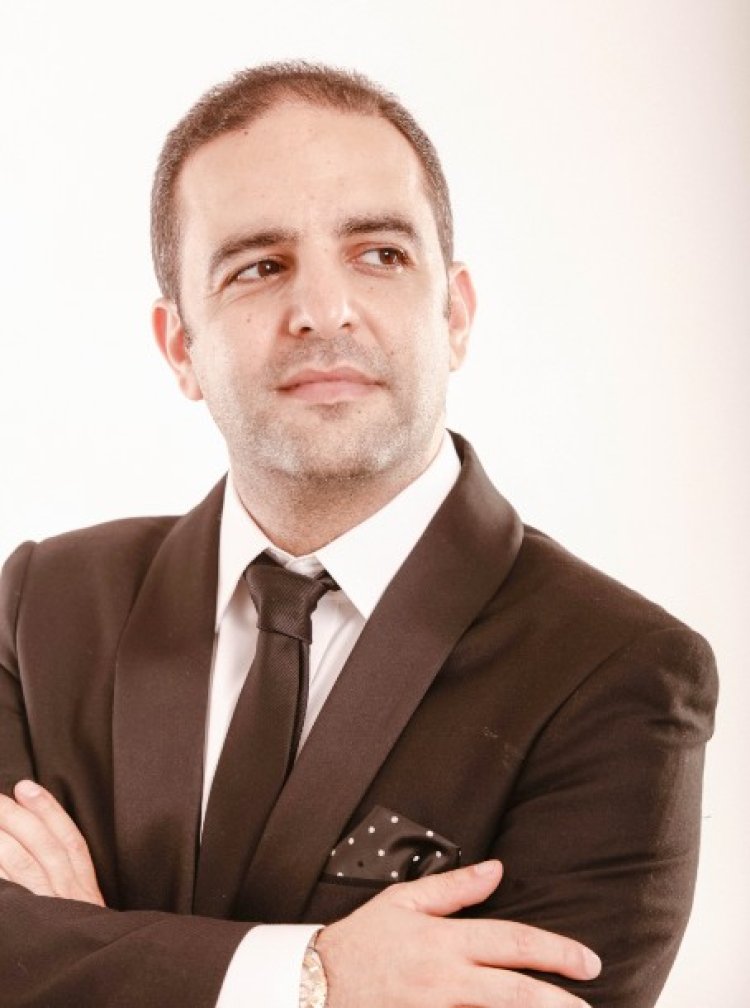 Photo: Joe Louk
