

Magazine
Reconnecting with My Daughter: A Mother's Journey
Naomi Sobol’s world changed when her daughter began to pull away at 16. In this compelling conversation, she shares the pain, the rebuilding, and how her journey grew into a support network for thousands of parents.
- Michal Arieli
- | Updated
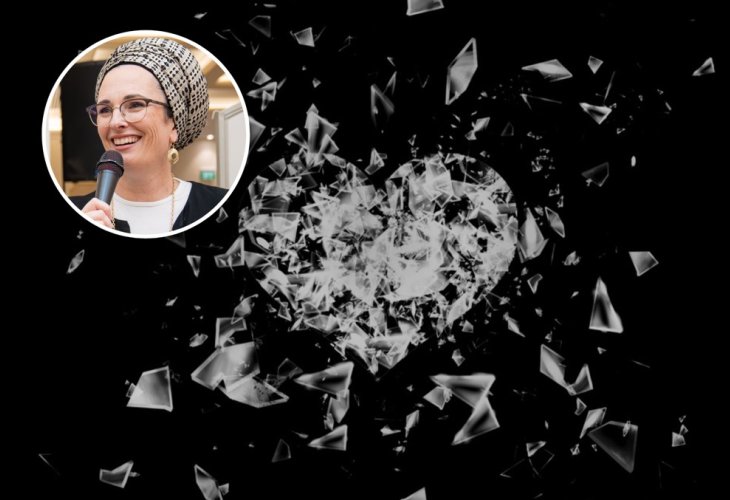 Naomi Sobol (Background: shutterstock)
For 19 years, Naomi Sobol has been managing an educational college for women. She published many widely read professional articles, but nothing prepared her for the day she began sharing excerpts from a deeply personal journal about her painful journey with her daughter.
“This is about Hannah, our second of seven children,” Naomi says. “She was talented, beloved, socially active, and an excellent student. She was accepted into a top seminary. The higher the expectations, the deeper the heartbreak that followed. We learned this can happen in any family.”
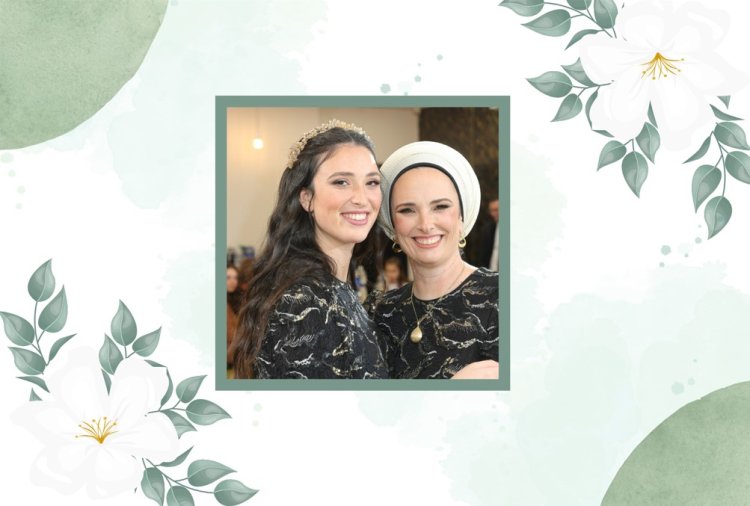 Hannah and Naomi Sobol
From Home to the Streets
Naomi recalls first sensing something was wrong when Hannah was 16. Years later, Hannah told her, “I have been struggling for as long as I can remember.” Naomi now knows that many struggles exist long before they become visible to parents.
By 11th grade, things unraveled. Hannah, once among the strongest students, was expelled from seminary. The family searched for alternatives, but nothing fit. The emotional toll affected everyone. “Although one child was struggling, the entire family dynamic shifted,” Naomi explains. “The helplessness was overwhelming.”
Hannah later studied in various settings and, after 12th grade, chose to enlist in the army. Naomi tried to dissuade her, fearing the distance would make support impossible. The decision stood. When Hannah enlisted as a lone soldier, all contact ceased. “I eventually understood this was not only a life choice,” Naomi says. “It felt like a message: ‘I do not want you in my life.’”
The pain was relentless. Everyday moments triggered tears. The empty seat at the Shabbat table was unbearable. Later, when Naomi shared this with Hannah, her daughter replied, “Mom, that is exactly how I felt too.”
If that is how teens in this situation feel, why do they not come home?
Naomi reflects, “If a child is willing to endure the agony of separation, something no child naturally wants, then staying connected must feel even more painful to them. When parents understand the pain is mutual, we create the possibility for reconnection rooted in empathy.”
A Gift of Humility
The pain forced Naomi into deep self work. “When a child struggles, parents often rush to fix the child. We change frameworks, seek treatments, impose rules, and hope that will solve the problem. These efforts matter, but they often miss something essential: the broken relationship between parent and child.”
She emphasizes that healing the bond must come first. “Without acceptance and trust, a child can grow up believing they are unwanted. Our task is not only to bring a child back to religious observance, but to restore their sense of worth and belonging.”
But what about concern for their spiritual wellbeing?
Naomi answers, “Before a child struggles with faith, they usually struggle with themselves, their environment, and their parents. Often religion is not the root issue, but the result. When the parent child connection is repaired, many children find their own path back to faith. It may look different from ours, but it becomes authentic and sustainable.”
When Hannah cut off contact, Naomi was left to face difficult emotions: guilt, shame, anger, shattered expectations, and doubt about her identity as a parent. She searched for guidance and tried to understand what Hashem wanted from her.
During the High Holy Days, she experienced a turning point. Standing in synagogue on Rosh Hashanah, alone while her daughter was far away, Naomi stopped asking Hashem to change Hannah. Instead, she prayed, “Teach me what You want from me as a mother, not what I want from You.” That shift, she says, changed everything.
A Journey Inward
This period coincided with the Shmittah year, which inspired Naomi to take a personal pause for growth. She committed to regular writing, sometimes for hours at a time, to process fear, grief, and helplessness.
She sought guidance from Rabbi Dan Tyomkin, as well as other rabbis and counselors. Asking for help was difficult, but it shaped the sensitivity she now brings to supporting other parents. She also studied Tomer Devorah, which deepened her understanding of compassion and helped her reframe her relationship with Hannah.
Gradually, Naomi realized she no longer wanted Hannah to return to ease her own pain or satisfy social expectations. She wanted her daughter back simply to give and to love. As her mindset shifted, she began sharing her reflections publicly and discovered many other parents walking similar paths.
At the same time, Hannah was also undergoing her own inner process. When the family planned a Bat Mitzvah for Hannah’s younger sister, Naomi understood that the joy would be incomplete without her. She invited Hannah with a sincere, open heart, praying that her daughter would feel wanted rather than pressured.
After months of silence, Hannah replied, “I am checking.” On the day of the Bat Mitzvah, she arrived unexpectedly. Naomi embraced her, and Hannah whispered, “Mom, no drama.” The reunion was quiet, authentic, and deeply moving. Naomi describes it as a moment of pure connection and hope.
Renewing the Bond
Naomi is clear that this was not an instant happy ending. “It was the beginning of a process,” she says. “We built something new slowly, with trust, respect, and without judgment.”
Hannah has since completed her military service and is now studying psychology and NLP therapy, driven by a desire to help others, especially teens facing complex struggles.
Naomi believes the entire family grew from the experience. “We learned how to speak more honestly with our children and how important it is to create open, compassionate dialogue within the family and the community.”
Her book, Cracks of Gold, is based on the columns she wrote throughout this journey. Before publication, Hannah read the manuscript and told her, “Not only should this book be published, it must be published.” She even contributed a concluding chapter.
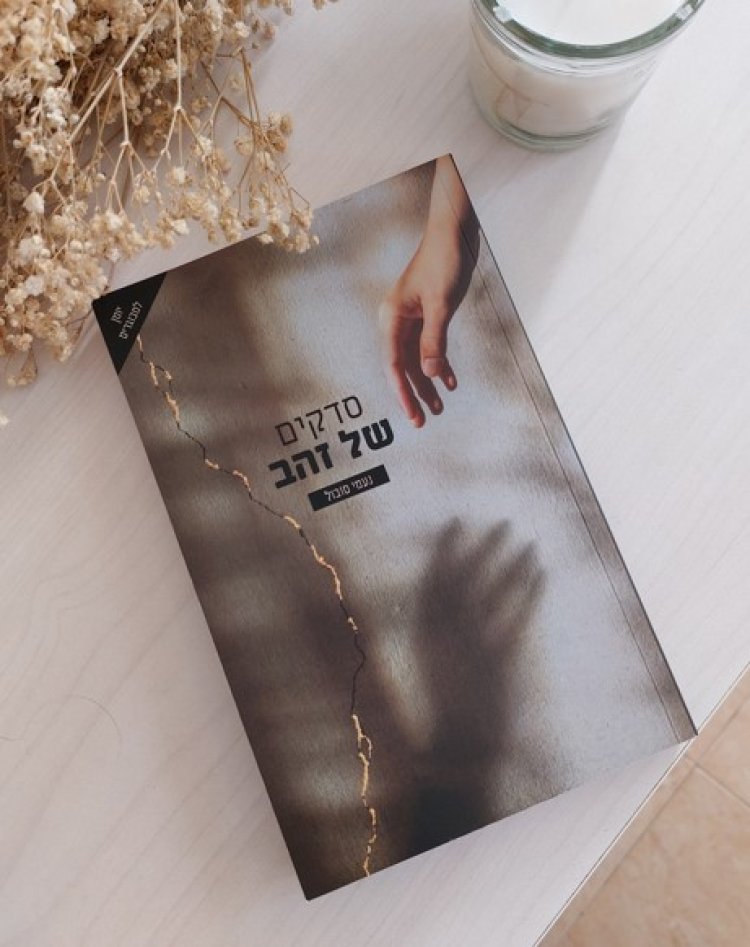 Naomi Sobol's book, Cracks of Gold
Hannah later told her mother, “You do not realize how many young people are out there, how many broken hearts, how many who desperately need parents who will believe in them.” That insight led to the creation of Ahavat Olam, founded with Rabbi Dan Tyomkin and other professionals. Today, the organization supports thousands of parents with guidance, tools, and emotional support to help them heal and rebuild relationships with their children.
Naomi emphasizes that this work is entirely voluntary. Through support groups, WhatsApp communities, email lists, referrals, and conferences, the goal remains clear: to remind parents that in every situation, there is always hope for renewed connection.

