

Facts in Judaism
The Hidden Blessings of Birkat Hamazon
What makes Birkat Hamazon so powerful? This article explores its four blessings, its deeper meaning, and the many spiritual benefits our sages associate with reciting it with intention.
- Yonatan HaLevi
- | Updated
 (Photo: shutterstock)
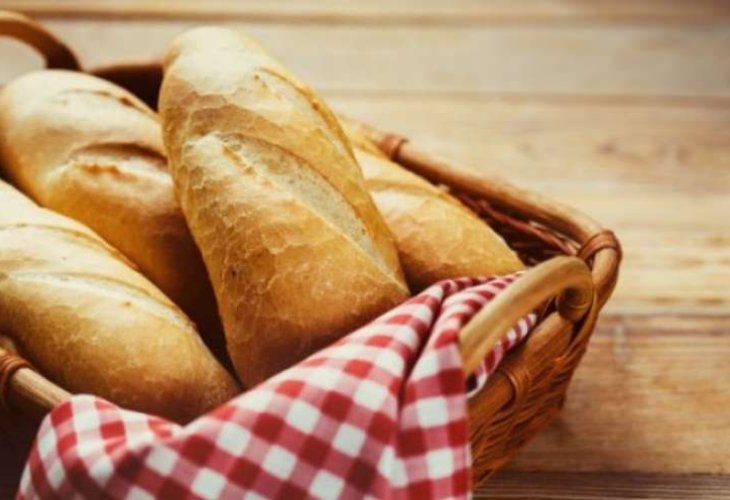
Birkat Hamazon, or Grace After Meals is the blessing recited after eating bread. We have gathered insights from the wisdom of our sages and great Jewish leaders. Here is everything you wanted to know about Birkat Hamazon.
First Blessing: The Blessing of Sustenance
According to the Sidur of the Rashash: “Before reciting Birkat Hamazon, one should prepare themselves to fulfill this commandment with reverence, love, intention, joy, and a good heart, in order to draw down abundance and blessing. One should close their eyes and place their hands on each other, right over left, as though sitting before the King of kings, the Holy One, Blessed be He.”
“One should not immediately begin the second blessing until they have contemplated the gratitude in their thoughts” as expressed in the heart.
Second Blessing: The Blessing of the Land
It is stated in a Beraita: “Anyone who does not mention a good and expansive land, a covenant, and the Torah in the blessing of the land has not fulfilled their obligation. They must mention gratitude at the beginning and gratitude at the end” as explained in Berakhot 48.
If a person only utters the words “We thank You, Hashem our G-d” with their lips, but their heart is not engaged in the meaning of the words, how can they fulfill their obligation regarding gratitude while their mouth speaks and their heart remains distant.
“The essence of gratitude is the joy of the heart.”
The sages further explained that gratitude should resemble the way one thanks a friend. When someone has done many good deeds, one thanks generally, then elaborates on the details with sincerity, and when parting, thanks again with even greater depth of feeling. According to this pattern our sages established the structure of this blessing.
Third Blessing: The Restoration of Jerusalem
“This blessing is also a biblical commandment established by King David and King Solomon. One cannot fulfill their obligation if they merely recite the words without engaging the heart. Fortunate are those who are able to shed tears for each request made in this blessing.”
When saying “Have mercy Hashem our G-d on Israel Your people,” one should feel genuine sorrow for the holy nation in this bitter exile, the exile of the soul. One should contemplate the many brothers and sisters who wander in spiritual darkness, who have not tasted the sweetness of Shabbat, who have not purified themselves in waters of purity. One should pray from the depths of the heart that Hashem have mercy upon them so they not lose both worlds. One should conclude this blessing with deep intention.
Fourth Blessing: The Good and Beneficent
Our sages established this blessing with divine inspiration and included three mentions of sovereignty, three benefits, and three rewards. The final two mentions of sovereignty complete the previous blessings where sovereignty is not mentioned, as explained in Berakhot 49.
This completion requires intention and a true acceptance of the sovereignty of Heaven with joy. If a person says these words without focus, what difference is there between saying “Our King” and any other empty phrase.
Refer to the Sidur Rashash, where you will find specific intentions for each word of this blessing, unlike most other blessings. From this one can understand the great importance of this blessing. If one rushes and blends words together, many rewards are forfeited. This is based on the Chida, chapter Balak, letter 16.
The Compassionate One
After Birkat Hamazon, it is customary to recite these personal requests because prayers at this time are especially accepted. A person’s prayers resonate deeply when said in the context of a commandment, as taught by the Chafetz Chaim.
Each individual may add personal requests and supplications, similar to during Shema in the Amidah, except onShabbat and holidays. This is based on the Chida. It is forbidden to interrupt these requests with mundane conversation.
Insights into the Importance of Birkat Hamazon
One who recites Birkat Hamazon with intention receives immeasurable reward. Rabbi Bachye in Parashat Ekev states that nowhere else in the Torah are we commanded to bless Hashem explicitly except in this commandment.
This mitzvah is a conduit for many blessings.
The Zohar teaches that the power of Birkat Hamazon brings blessing to a person’s deeds when recited with intention, as explained in Yafeh Lelev.
The Maharsha explains that through this blessing, Hashem bestows abundant sustenance and protection from spiritual adversaries, as written in Chiddushei Agadot, Nazir 56.
The Sefer HaChinuch writes that one who is careful with Birkat Hamazon will merit dignified sustenance throughout life.
The Zohar HaKadosh teaches that one who blesses with joy and a good heart will receive blessing in the same manner.
The Chida teaches that one should eat foods that bring joy in order to bless joyfully, and that joyful blessing is a powerful spiritual channel for prosperity.
Rabbi Chaim Palagi writes that one who recites Birkat Hamazon aloud merits long life, as also taught in the Zohar HaKadosh.
The Zohar teaches that one who blesses properly with joy will merit a prepared place in the hidden spiritual realms after leaving this world. The Sefer HaRokeach adds that such a person will merit seeing the flowers near the river of Eden. The Kab HaYashar teaches that such a person will merit hearing Birkat Hamazon from King David in the future feast of the righteous.
All letters of the alphabet appear in Birkat Hamazon except the letter Pe, for the angel of death has no power over one who blesses at the proper time with intention, as written inSefer Teshuvot Katan.
Rules Regarding Mayim Acharonim
Mayim Acharonim is obligatory according to Shulchan Aruch section 181. One must wash at least up to two finger joints, and some say until the joints closer to the wrist. It is preferable to be stringent when water is available, but one should not wash beyond what the law requires, as taught by the Chida.
The Chafetz Chaim laments that many are careless and do not wash properly, even though the law requires washing up to the joints, as explained in Mishnah Berurah.
One should not wash over the ground due to danger from harmful spiritual forces, as written in Shulchan Aruch and Mishnah Berurah.
It is praiseworthy to dry one’s hands, following the opinion of the Rambam, although according to strict law the Maharitz is lenient, as discussed by the Bach.
One should not interrupt between washing and Birkat Hamazon, even with words of Torah. If one did interrupt, they should wash again in order to reconnect the washing to the blessing.
The Kab HaYashar warns strongly that neglecting Mayim Acharonim endangers a person spiritually, and the Zohar teaches that its importance is even greater than the first washing.
Rabbi Chaim Vital explains that the evil inclination is especially present at the table, and proper intention during the final washing removes its influence.
Rules Regarding Birkat Hamazon
The four blessings of Birkat Hamazon carry similar laws to the Amidah. One should not interrupt for Kaddish, Kedushah, or other responses unless there is danger. The difference is that the Amidah is recited standing and Birkat Hamazon while seated.
One must bless with a clean mouth and a clean body, as taught in Shulchan Aruch and Kitzur Shulchan Aruch. The Bach teaches that one who prepares properly is like a person standing adorned before a king.
A G-d fearing person should cover themselves properly and wear a hat during Birkat Hamazon, even when alone, as brought in Bach, Mishnah Berurah, and Kaf HaChaim.
One must sit while blessing in order to maintain proper focus and humility.
It is forbidden to perform any work during Birkat Hamazon, even light actions such as drying hands, adjusting clothing, or fanning oneself, as ruled by Shulchan Aruch and explained by the Taz.
One should focus on the meaning of the blessings. The Sefer Hasidim teaches that Hashem is angered when blessings are recited mechanically without the heart.
One should tremble when saying Hashem’s name. When saying Adonai, one should intend that He is the Master of all. When saying Havayah, one should intend that He was, is, and will be. When saying Elokim, one should intend that He possesses all power and strength.
The Obligation to Learn Torah at the Table
It is a mitzvah to speak words of Torah at the table. A table without Torah is likened to offerings of the dead. The Shlah advises learning Mishna, halacha, agada, ethical works, or at least a chapter of Tehillim.
The Mishnah Berurah recommends reciting Psalm 23 after Hamotzi. In times of distress when Torah learning is not possible, some rely on the phrase “Mayim Acharonim is obligatory,” as brought by the Ben Ish Chai.
The Magid Mishnah teaches that one who contemplates Torah during a meal elevates their eating and drinking to the level of offerings before Hashem.
Leftover Bread
One should not remove the tablecloth or bread until after Birkat Hamazon. Blessing rests only where there is food, as seen in the story of Elisha and the Shunammite woman. It also demonstrates that we are blessing Hashem for the food He provided.
The Shulchan Aruch teaches that one who leaves no bread at the table will not see blessing, even if only small pieces remain.
The Zohar warns strongly against blessing over an empty table, as this resembles taking Hashem’s name in vain.
Although crumbs smaller than an olive may technically be discarded, it is still painful for the poor. One may dispose of them respectfully, such as wrapping them in a bag or placing them in water, as brought in Mishnah Berurah, Kaf HaChaim, and in the name of Rabbi Yosef Shalom Elyashiv.

