

Faith (Emunah)
Written in Stone: What the Western Wall Teaches Us
The Western Wall is not only a remnant of the past but a lesson for the present. Through reflections on relationships, giving, and faith, this article reveals the deeper message carried by its ancient stones.
- Hidabroot
- | Updated
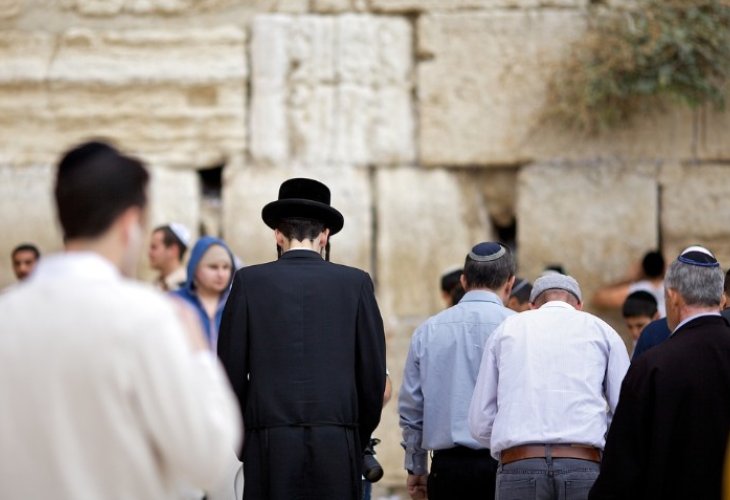 The Western Wall at dusk, a timeless symbol of resilience and hope.
The dynamics of asking and giving unfold in almost every household and workplace. Often, when someone seems reluctant to fulfill a request, it is not the request itself but the way it was made. We sometimes notice that neighbors succeed in receiving help where family members do not. The reason is usually simple: neighbors ask politely, offer appreciation, and make the act feel voluntary rather than imposed. A warm thank you, a kind word, even a small gesture such as offering a cup of coffee can transform the entire interaction. By paying attention to these details, we can significantly improve our relationships.
For relationships to flourish, requests should feel like invitations rather than demands. Those who ask should avoid forceful language and instead use gentle expressions such as “Could you do me a kindness?” At the same time, those who give should not act grudgingly. Giving should come from a place of generosity and goodwill, rooted in the understanding that care and responsibility are essential elements of meaningful relationships.
Our sages understood the human heart deeply. They taught that effort, even when small, is often more precious than a greater benefit received passively. This principle applies powerfully to relationships. When a person invests in another through giving, the bond strengthens. Giving creates attachment, commitment, and emotional depth, allowing relationships to grow stronger and more enduring.
The Western Wall: Tears and Hope
The Western Wall is a unique wellspring of emotion. Within its stones reside the tears, prayers, and hopes of generations. It has long been called the Wall of Tears, yet it is also a place of hope, faith, and resilience. There, sorrow and longing coexist with strength and expectation.
Family life often reflects similarly complex dynamics. Situations that seem overwhelming can often be resolved when we understand the delicate balance between giving and receiving. This is especially true in marriage, where expectations are nuanced and emotional sensitivity is essential. A healthy marriage thrives when both partners seek to meet one another’s needs, blending emotional support with practical care.
The Western Wall bears witness to the full arc of Jewish history. It has seen glory and devastation, celebration and exile. It stands as a reminder of the sacred presence that once filled Jerusalem and as a symbol of the Jewish people’s unbroken connection to their past. Through every hardship, faith endured, and hope remained alive.
What the Wall Teaches Us About Relationships
In this sense, relationships resemble the story of the Wall itself. A lasting bond is not built on transactions but on consistent acts of giving, understanding, and love. Just as the Wall absorbed centuries of prayers, a relationship must be nurtured through conscious generosity and care.
Today, the Western Wall is not only a place of memory but a source of living hope. It inspires strength, continuity, and anticipation for redemption. It reminds the Jewish people of who they are and why they persevere, calling them to remain connected to their heritage and purpose.
A child’s simple cry or a heartfelt prayer at the Wall expresses the enduring spirit of the Jewish people. It calls upon us to draw others gently back toward the foundations of Jewish life, toward Shabbat, kashrut, and above all, toward the education of the next generation. Today, our shared mission is to weave ourselves into the living chain of tradition, linking our voices with those that once rose from behind the ancient stones we touch today.

