

Tu Bishvat
Tu Bishvat: Powerful Spiritual Lessons for Personal Growth and Prayer
How “Man Is a Tree of the Field” Inspires Joy, Giving, Faith, and Renewal on Tu Bishvat
- Gai Gat
- | Updated
 (Photo: shutterstock)
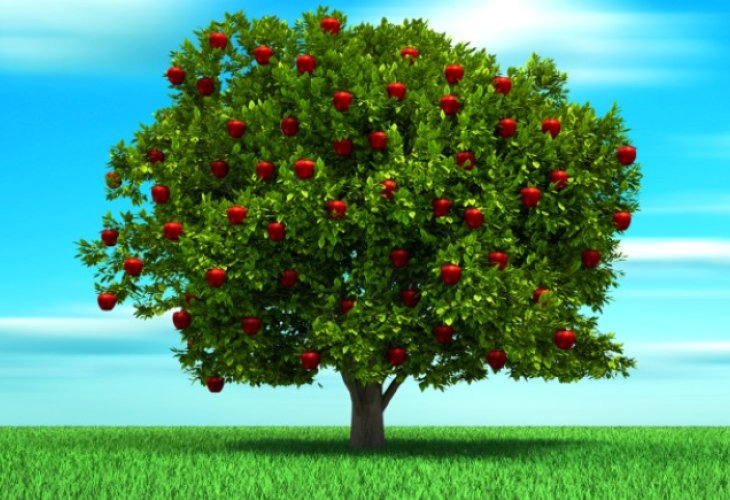
In the Torah it is written (Devarim 20:19):“For man is a tree of the field.”
“That is to say, everything that applies to a tree applies to a human being, and from a tree one can learn many matters regarding a person’s service of God” (Baal HaSulam).
Below are several points for prayer and inner work, especially on Tu Bishvat:
Sefer HaToda’ah explains that Tu Bishvat is observed somewhat differently from ordinary days, with certain aspects of a festival. For example, Tachanun is not recited — neither on Tu Bishvat itself nor at Minchah on the preceding day — because the special spiritual elevation of the day already begins in the evening. Therefore, one should begin and continue the day with joy, with a broad smile toward our Father in Heaven.
Just as a tree gives its fruit without expecting anything in return, so too a Jew should give — “Love your fellow as yourself," with no expectation of personal benefit, giving purely in order to give. One should reflect on the nature of one’s giving, and seek out and highlight the beautiful fruits of one’s actions.
The Imrei Chaim writes that on the fifteenth of Shevat one should pray for “fruits,” and “fruits” allude to children. One should pray for good children, adorned with love, reverence, kindness, and compassion.
The Birkat Shalom explains that the word “Rosh” (head) also means root. From the root grow the branches, but each branch grows according to its root — one cannot grow an orange branch from an apple tree. So too with a person: one’s service of God, the root, determines the outcome. Tu Bishvat is an auspicious time to examine oneself: What is the purpose for which God created me in His world? Am I on the path toward that purpose? One should pray to succeed in fulfilling the mission for which one was created.
A tree does not grow in a single day. At first it is a small sapling, and only gradually does it develop. After much labor, fruit finally appears. The same is true of a person. Reflect on your small stages of growth, and make sure the yetzer hara does not discourage you into thinking you are not progressing. Growth takes time.
The Chiddushei HaRim writes in Sefer HaZechut that the spiritual abundance bestowed upon a person on Rosh Hashanah has its source in Tu Bishvat. This influence continues to live within every Jewish soul, as the wells of Torah are opened on this day. It is a fitting time to pray that our Torah study be with joy, clarity, and perseverance.
The holy Rabbi Tzadok HaKohen, in his work Pri Tzadik, writes at length that on this day one can reach such a lofty level that eating itself can be done in accordance with the will of our Father in Heaven. Therefore, this is an appropriate time to pray that we merit eating in a way that brings rectification and true satisfaction.
“A day on which the soil of the Land of Israel renews its strength to produce its richness and sweetness is a day of joy for Israel — its inheritors, its lovers, and those who yearn for it” (Sefer HaToda’ah). Pause for a moment and consider what an extraordinary and precious land we have been given. Remember how many holy mitzvot depend on the Land of Israel, rejoice, and give thanks for this wondrous gift from our loving Father.
The Four Species are known to correspond to different organs of the body, and the etrog symbolizes the heart of the Jew. The Bnei Yissaschar composed a beautiful prayer to recite on Tu Bishvat for a beautiful etrog for Sukkot. The heart of a Jew is the dwelling place of faith, and this is a fitting time to sing and to pray: “Purify our hearts to serve You in truth.”

