

Relationships
Parental Alienation After Divorce: When Children Become the Battlefield
Why turning children against a parent causes deep harm and how emotional healing begins with separating divorce from parenthood
- Rabbi Eyal Ungar
- | Updated
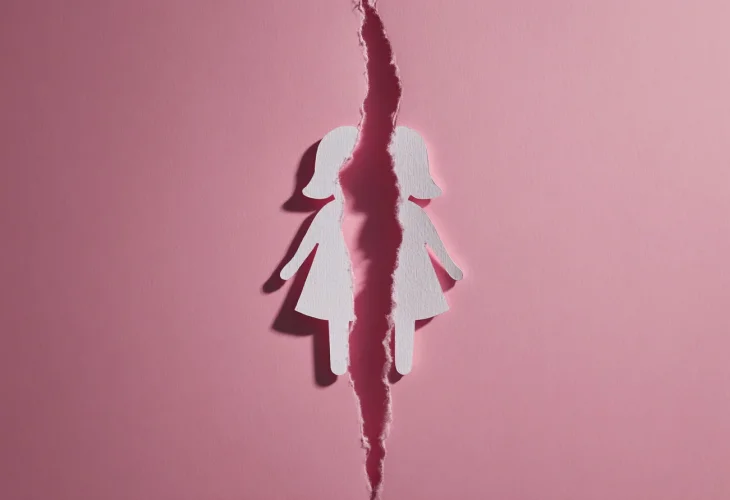
There are couples in my family who divorced after having several children. The father is suffering from parental alienation, which the mother is creating toward their children. What does she gain from this? What can be said to her?
This is a deep and painful question. Why would a mother choose to harm her own children by distancing them from their father?
Parental alienation, unfortunately, occurs on the part of both fathers and mothers. In most cases, it happens because one parent has not truly understood or internalized that the marital relationship is over. They may have left, they may have been hurt, they may have decided that “it’s over,” but deep inside, the mother is still living within a power struggle. Emotionally, she has not divorced. And that will harm both her children and herself.
She has not yet understood that the power games are over, because this is no longer her husband, but only her ex husband. Her way of “winning” is to rewrite the story through the children. She tries to damage the bond between the child and the father, driven by a distorted inner conclusion: if the child does not love his father, then the father must truly be to blame for the divorce, the one who ruined her life. If this is the approach, life was not destroyed by the divorce, but by the attitude itself.
Through this illusion, she soothes her pain and her feelings of guilt or rejection, but deepens the problems that she and her children will face in the future. She does not separate the absence of marital peace from the reality of shared parenthood.
Her mental health will improve when she can acknowledge: my ex husband is not right for me, but he is the father that God chose for my children. And I must humbly understand that cutting a child off from a parent causes profound harm.
It is forbidden, and truly cruel, to turn a child into a weapon of war, a tool in an ongoing battle. The fears and painful emotions that follow divorce are something the mother must address, but under no circumstances by passing hidden messages to the children that their father is the cause of the divorce, or the source of their pain and suffering. One can understand that the mother is hurting and wounded, but pain and confusion do not absolve responsibility or blame.
A child is not a weapon, not a bridge for revenge, and not a loudspeaker for a parent’s pain.

