

Facts in Judaism
Guarding Our Eyes: Why It Matters and How to Practice It
What we choose to look at shapes our thoughts and relationships. This article explores why the Torah concept of guarding our eyes matters and how it supports emotional balance and spiritual growth.
- Dudu Cohen
- | Updated
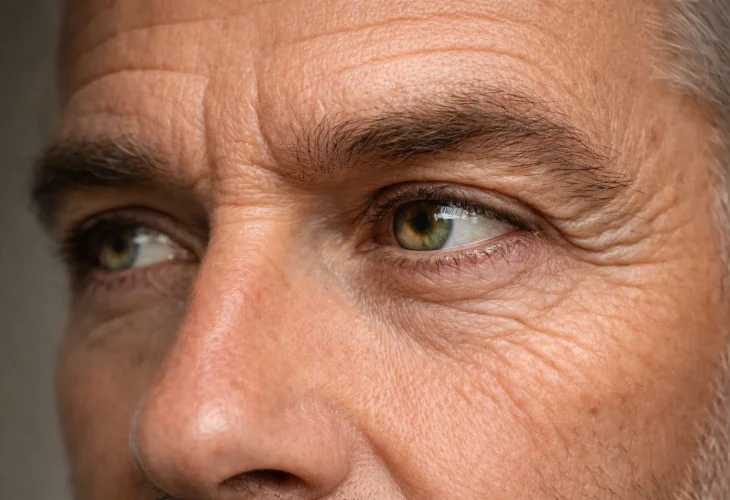
Let’s dive into the concept of guarding our eyes. If this is a new term for you, it refers to being mindful about what we choose to look at, from immodest clothing in public to provocative advertisements and images. Judaism does not expect us to withdraw from the world or live extreme lifestyles. We are meant to live normal, healthy lives within society. At the same time, we are encouraged not to linger on images that are inappropriate or harmful. Why is this such an important idea? Let’s explore.
The Torah Perspective
“The concept of guarding our eyes is rooted in the Torah, specifically in the book of Deuteronomy,” explains Rabbi Eli Amar. “The verse states, ‘Do not stray after your hearts and after your eyes,’ which also appears in the Shema. Our eyes are powerful tools. Psychologically and spiritually, they have a strong influence on us. The stronger their influence, the greater the responsibility to protect them.”
Hashem warns that exposure to negative sights can shape a person’s imagination and affect their moral sensitivity. For this reason, we are encouraged to use our eyes for positive purposes, such as learning from teachers and seeking wisdom, as the verse says, “Your eyes shall see your teachers.”
Rabbi Amar adds an important insight. Guarding one’s eyes does not reduce enjoyment of life, it enhances it. A person who overstimulates their imagination often ends up less satisfied overall. Just as someone who eats sweets constantly enjoys them less than someone who enjoys them occasionally, a person who protects their eyes can experience deeper satisfaction and connection within their home and marriage in a healthy and permitted way.
Why Is This Taken So Seriously in Halachah?
From a halachic perspective, this issue is treated with great seriousness because vision strongly affects the subconscious. Rabbi Yitzhak Gabai explains that what a person sees can influence thoughts, emotions, and inner struggles. Our sages taught that a person should avoid dwelling on inappropriate thoughts during the day, as this can lead to spiritual harm later.
He emphasizes an important distinction between seeing and staring. There is no issue with noticing a person who is dressed modestly. The concern begins when someone stares intently or deliberately engages with images that are not appropriate. When someone is dressed immodestly, it becomes even more important to avoid lingering looks, since this can easily lead to deeper mental engagement. Kabbalistic teachings also describe that such exposure can have a negative effect on the soul.
Marriage and Emotional Faithfulness
Is this relevant only on a personal level, or does it affect relationships as well? According to Jewish thought, it directly impacts marriage.
Marriage in Judaism is built on exclusivity. The word kiddushin comes from a root meaning holiness and separation. It expresses the idea that husband and wife are set apart for one another in a unique emotional and spiritual bond. When a person allows their thoughts and imagination to drift toward others, even without physical action, that inner exclusivity becomes weakened.
Rabbi Gabai explains that kiddushin reflects emotional connection at all times, not only physical loyalty. When a person trains themselves to guard their eyes, they protect the emotional space of their marriage. This strengthens trust, intimacy, and connection between spouses. Guarding the eyes, then, is not about restriction, but about protecting something precious.
A Final Note
Guarding the eyes is not about fear or isolation from the world. It is about awareness, self-respect, and spiritual clarity. Judaism teaches that what we allow into our eyes shapes our hearts, our thoughts, and our relationships. By choosing what we engage with visually, we preserve inner purity, strengthen our marriages, and create space for deeper joy and meaning in our lives.

