

World News
Fewer Than 200,000 Jewish Holocaust Survivors Remain Worldwide
New data released ahead of International Holocaust Remembrance Day shows the global survivor population shrinking rapidly as witnesses fade
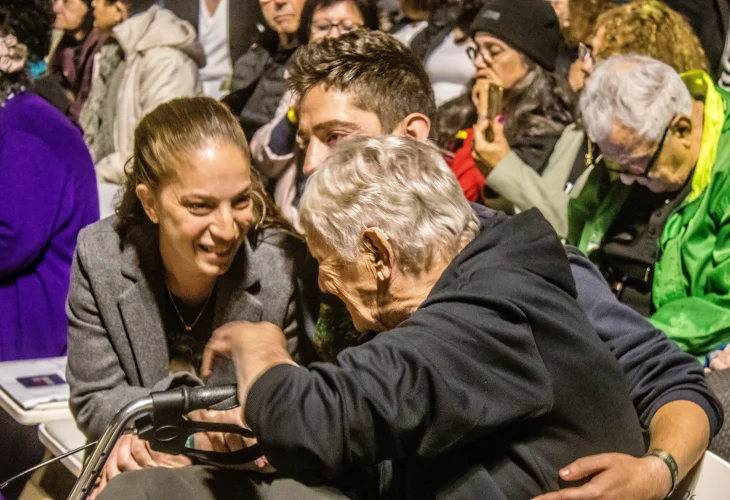 Holocaust Survivor (Shutterstock)
Fewer than 200,000 Jewish Holocaust survivors remain alive worldwide, according to new data published by the Conference on Jewish Material Claims Against Germany. The data was released in advance of International Holocaust Remembrance Day, observed annually on January 27, commemorating the liberation of Auschwitz in 1945.
An estimated 196,600 survivors are currently living across more than 90 countries, the Claims Conference said. The figure marks a sharp decline from roughly 220,000 survivors recorded a year earlier, showing the rapid pace at which the survivor population is diminishing.
Israel is home to about half of all living Holocaust survivors, according to the report. Another 18% reside in North America, while 17% live in Western Europe. Approximately 11% are spread across countries of the former Soviet Union.
The United States has the largest survivor population outside Israel, with about 31,000 survivors, representing roughly 16% of the global total. France, Russia, Germany, and Ukraine are also among the countries with significant survivor communities.
The demographic profile highlights the advanced age of the remaining survivors. The median age is 87, with ages ranging from 79 to over 100. Around 30% of survivors are aged 90 or older, and just over 1% have reached 100.
Nearly all survivors, 97%, are classified as child survivors, meaning they were born in 1928 or later and were children during the Holocaust. Women make up a majority of the survivor population, accounting for 62%.
The report also details the level of assistance required to support survivors as they age. About 34% receive monthly pensions negotiated by the Claims Conference, while 71% received social welfare services over the past year. Tens of thousands rely on assistance for food security and other basic needs.
Beyond the numbers, the data presents a broader reality confronting Holocaust remembrance efforts. As the survivor population continues to decline, fewer firsthand witnesses remain able to share their experiences directly with younger generations.
“The sad thing is the number of Holocaust survivors that used to go to schools and speak there are getting less and less and less,” one survivor said in remarks cited by the Claims Conference. “And the question is, who is going to tell the story after us?”
As the world marks International Holocaust Remembrance Day, the latest figures serve as a reminder that the era of living testimony is rapidly drawing to a close, placing growing responsibility on institutions, educators, and society to preserve the memory of the Holocaust for future generations.

