

Relationships
When One Spouse Becomes Religious: Can a Secular Marriage Survive?
Guidance, boundaries, and hope for maintaining love and shalom bayit during a return to faith
- Rabbi Daniel Pinchasov
- | Updated
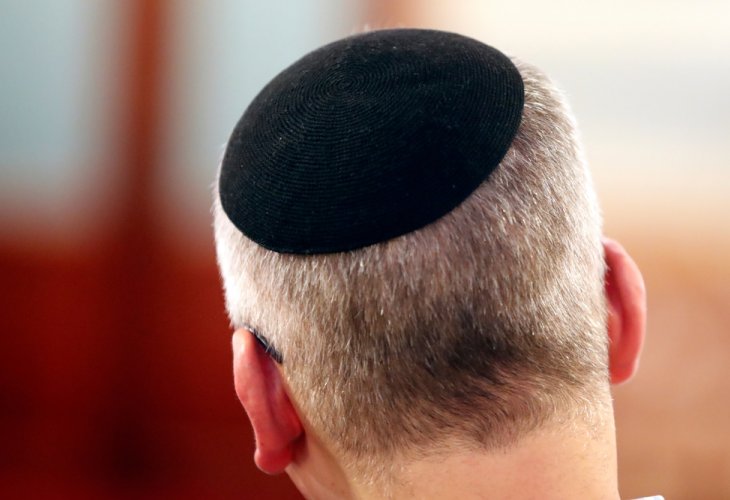 (Photo: shutterstock)
We married as a secular couple, and over time my husband decided to become religious, with everything that entails. I am afraid of this step and anxious about the future of our relationship. Can our marriage survive?
Becoming religious is a process of spiritual growth. When one partner chooses this new path, the secular partner may mistakenly assume, out of lack of knowledge or guidance, that this process is destructive to the marriage.
It is important to remember that a person who becomes religious is acting out of a desire for spiritual and moral growth, and is often willing to sacrifice a great deal in order to live in a way that aligns with the values he encounters in the Torah. As he learns about the importance that the Torah places on family life and shalom bayit, it is reasonable to assume that this will motivate him to invest more deeply in improving the marital relationship and the quality of parenting.
It is also important to remember that alongside the change, many shared values still remain. One partner’s decision to become religious does not erase the couple’s common values, which can serve as a foundation for continuing the relationship with love and mutual respect. Keeping this in mind can help reduce the feeling that one’s spouse has suddenly become a completely different person.
There are several important guidelines to keep in mind.
First, the new spiritual discovery often brings the newly religious partner great excitement and happiness. At times, this enthusiasm can distract him from noticing the fear and distress of his spouse, who may feel overwhelmed by the change and unsure how to cope with it. It is therefore essential to listen carefully to her concerns and to make it clear that there is no intention for the process to harm the marriage. On the contrary, the hope is that it will lead to growth and deeper commitment to the relationship.
Second, a common tendency among those who become religious is the desire to bring the entire family along on the newly discovered path, without realizing that no one likes to feel coerced. Someone who tries to impose religious observance in the home in a forceful way may find that he is actually pushing family members away from Torah and mitzvot, sometimes in an almost irreversible manner.
On the other hand, a person who demonstrates that becoming religious has made him a better person in all areas of life, especially in his investment in family, may naturally inspire curiosity and openness among family members. Over time, this may encourage them to take interest in the process that brought about such positive growth.
It is advisable to sit down together and distinguish between issues that require firm decisions and those where compromise is possible. For example, family purity and keeping kosher in the kitchen are areas in which a newly religious person cannot compromise, since without them it is not possible to live a stable family life. However, questions such as whether the spouse will observe Shabbat at home or which educational institutions the children will attend are issues where compromises can often be reached.
Finally, it is important to be aware of the emotional upheaval that such a change creates and to invest generously in quality time together. It is recommended to set aside at least one calm and meaningful conversation each week, as well as an additional shared activity, such as a joint dinner or going out together.
Rabbi Daniel Pinchasov is a lecturer, expert marriage counselor, and psychotherapist.

