

History and Archaeology
Unearthing the Past: The Archaeologists Revealing Jewish History
Meet the archaeologists whose groundbreaking excavations are uncovering forgotten Jewish worlds and revealing powerful new evidence of Jewish life, resilience, and continuity across thousands of years.
- Michal Arieli
- | Updated
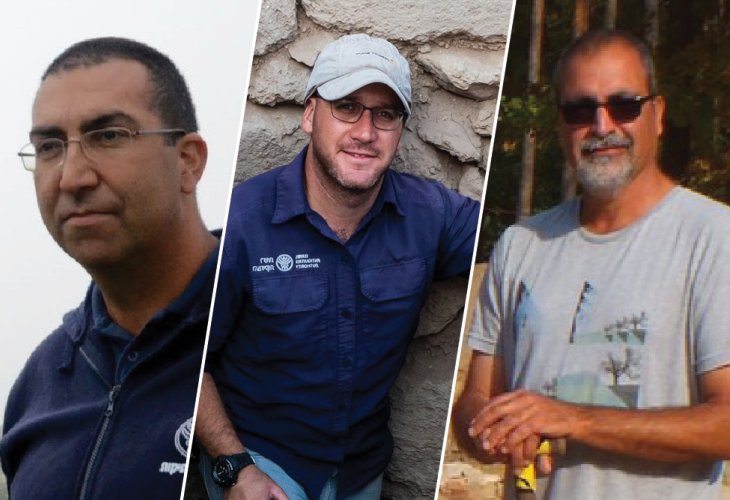 The archaeologists (from right): Yoram Haimi, Yair Amitzur, and Saar Ganor
“When I realized I was uncovering a city from the days of King David, my hands began to tremble, blackened from the earth,” recalls Saar Ganor, an archaeologist working at the ancient site of Lachish. His excitement reflects the feeling shared by many in the field. Unearthing artifacts is always thrilling, but uncovering discoveries that illuminate Jewish history adds an entirely different depth of meaning.
How do archaeologists reach such finds? What research guides their work? And how do they verify their conclusions? We spoke with three archaeologists working in different regions and periods, yet united by a shared passion for uncovering the past. “It is endlessly fascinating,” they say, as they invite us into their world.
Yoram Haimi: Revealing the Truth of Sobibor
Yoram Haimi has worked as an archaeologist since 1998. In 2007, his career took a deeply personal turn when he learned that his mother’s brothers were murdered in the Sobibor extermination camp. “I felt I had to go to the place where they were killed,” he explains.
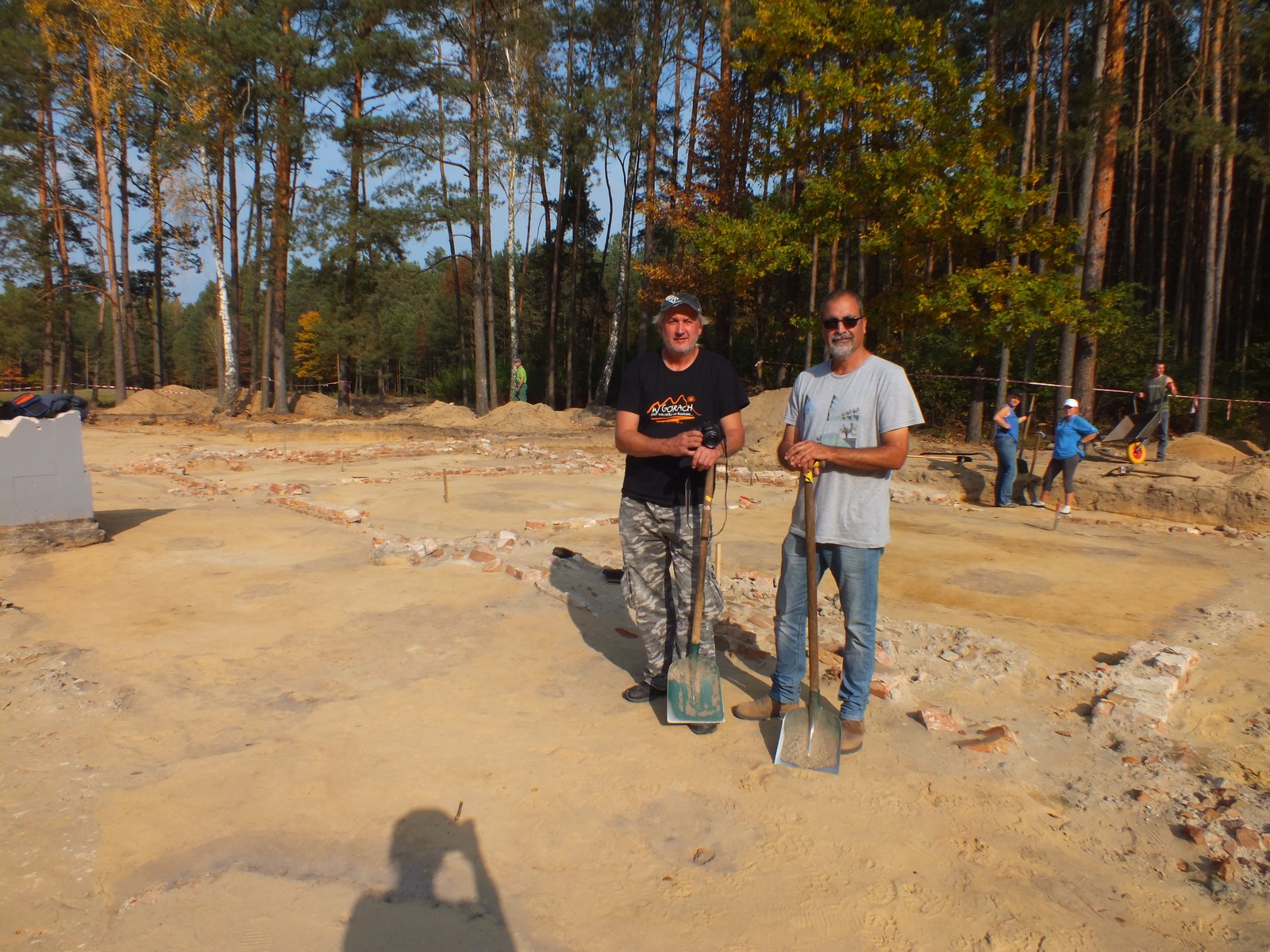 Yoram Haimi (right)
What he found upon arriving was a quiet forest, almost entirely concealing its horrific history. Haimi proposed archaeological excavations to uncover the truth beneath the ground. Over the next fifteen years, initially working independently and later with the support of the Polish government, he led extensive research at the site.
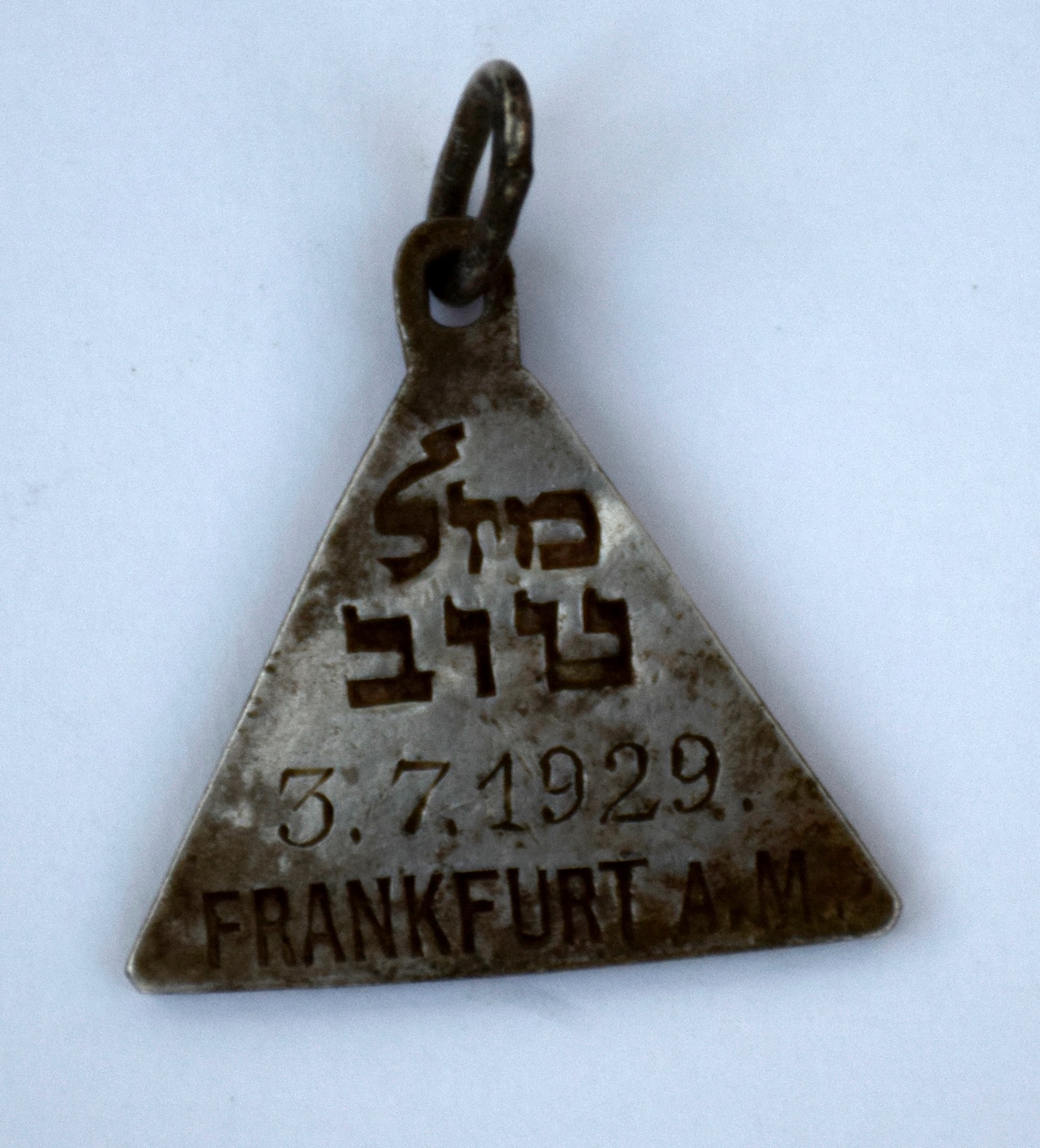 Pendant discovered during excavations at the Sobibor extermination camp, belonging to Karoline Cohn.
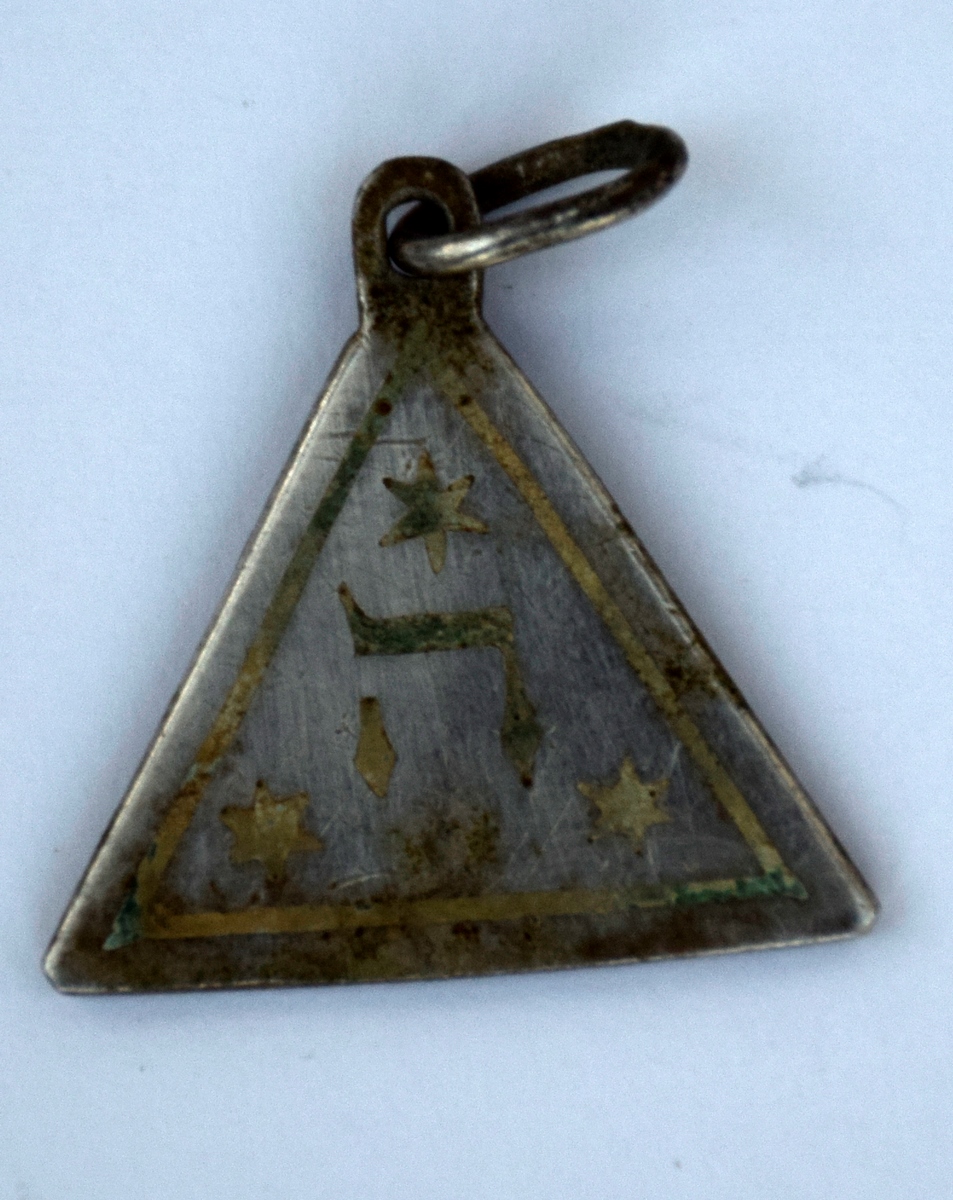 The pendant remained buried for over 70 years.
The primary goal was to locate the camp’s gas chambers. After long and difficult efforts, the team discovered a concealed pathway that led to a large asphalt-covered memorial area. Beneath it lay the remains of the gas chambers themselves. Eight chambers were uncovered, each capable of holding hundreds of victims. Alongside these structures, the team found deeply moving personal items such as rings, pendants, and other belongings, silent testimonies to the lives that were lost.
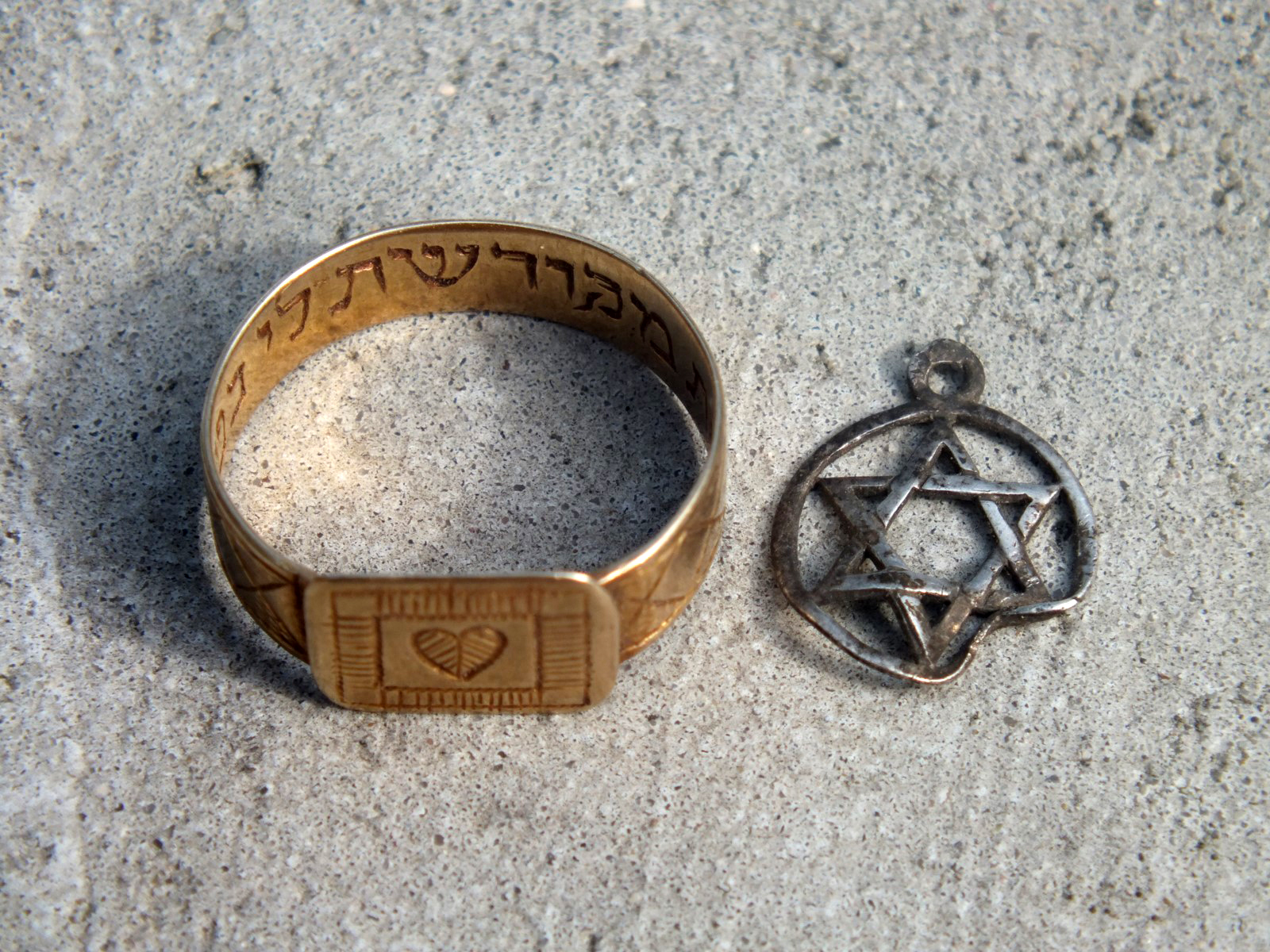 Personal items discovered during excavations.
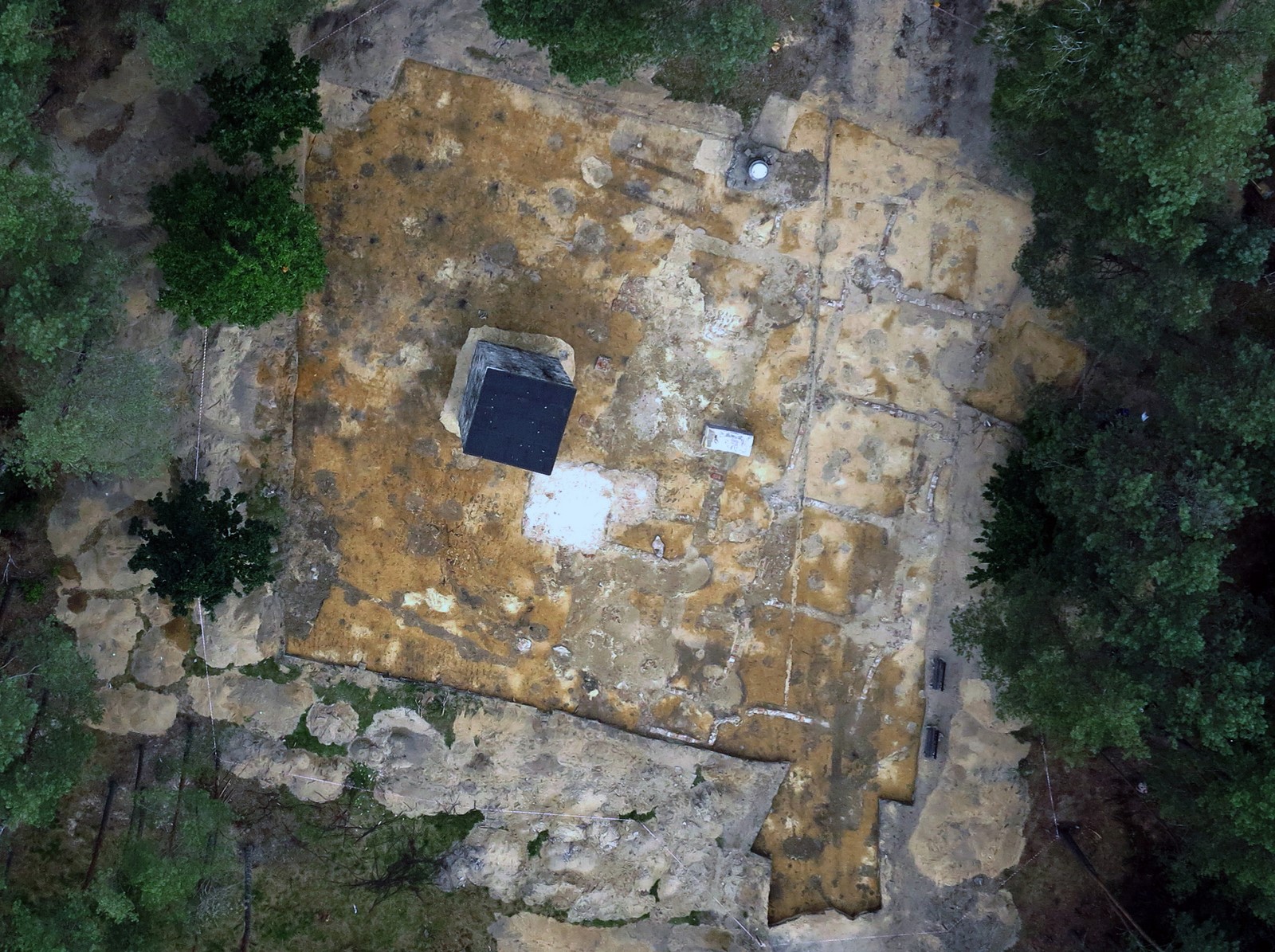 (Aerial photograph: Piotr Bakun)
Yair Amitzur: Tracing the Path of the Sanhedrin
For Yair Amitzur, archaeology is like assembling a vast historical puzzle. His work focuses on uncovering sites connected to the Sanhedrin, particularly along the Sanhedrin Trail, a seventy kilometer route tracing the movement of the Jewish court from Beit She’arim to Tiberias.
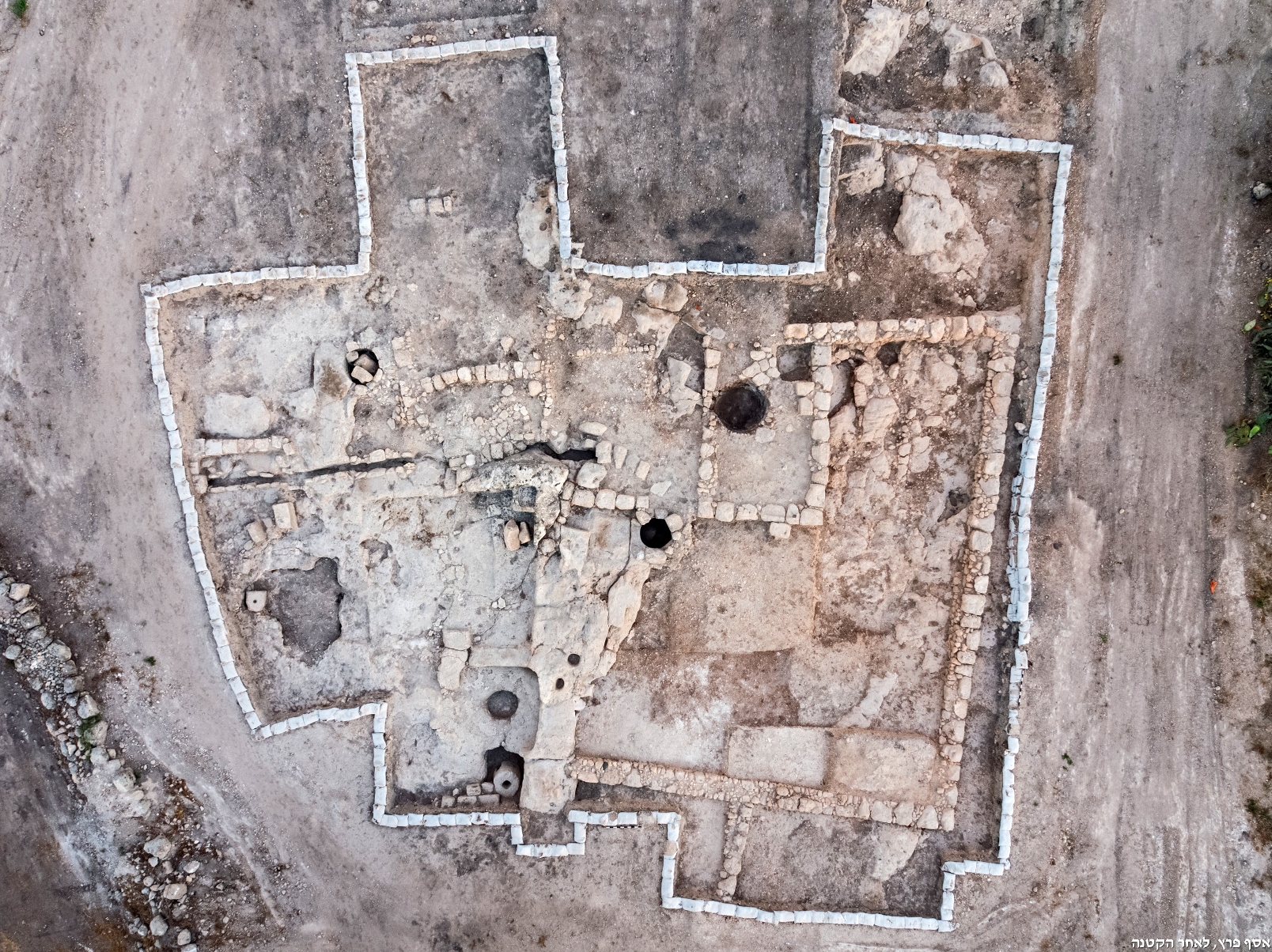 Ancient Usha, aerial view (Photo: Assaf Peretz, Israel Antiquities Authority)
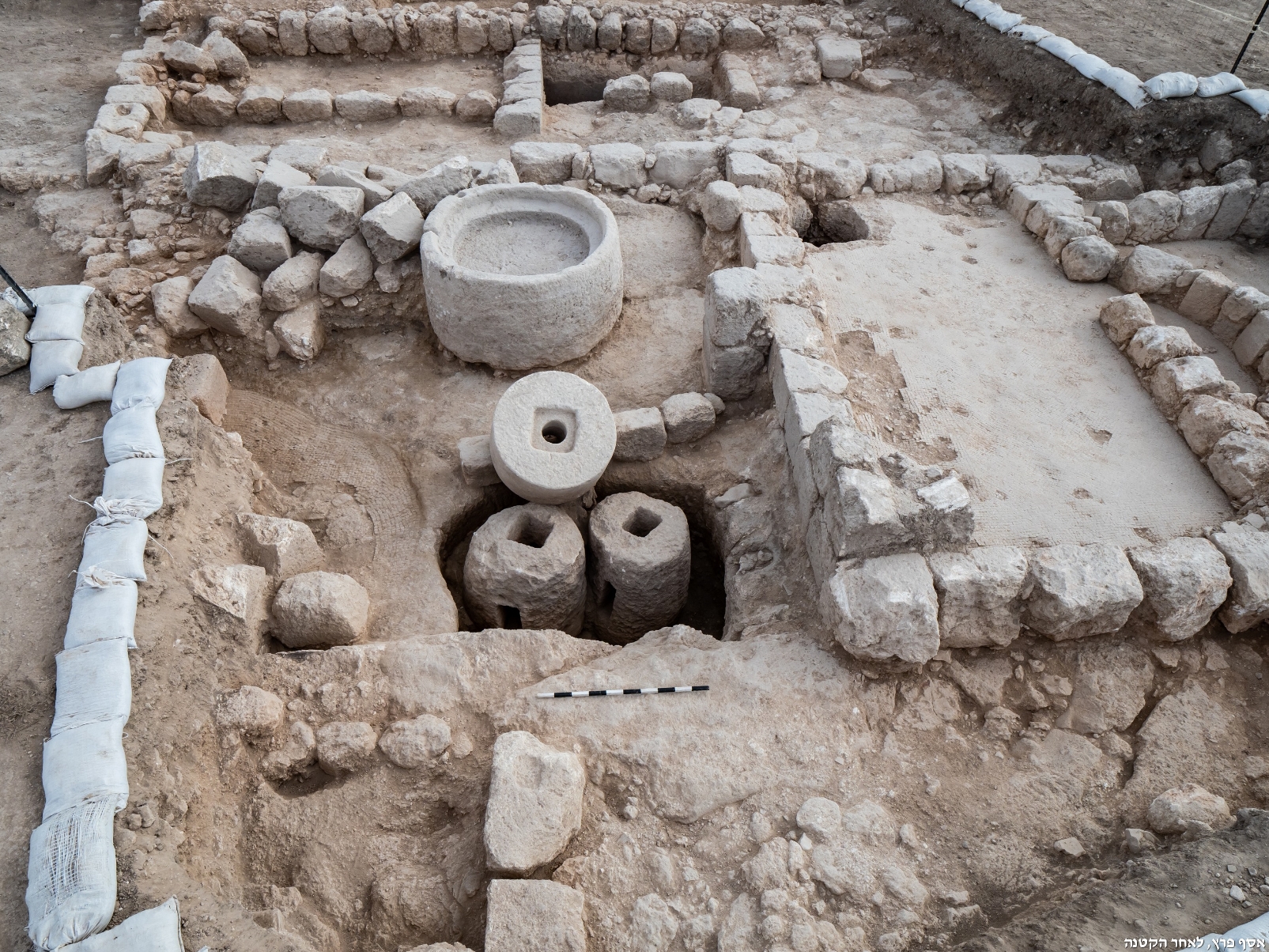 The olive press at Usha (Photo: Assaf Peretz, Israel Antiquities Authority)
One of his major projects has been the excavation of Horvat Usha, believed to be one of the Sanhedrin’s locations after the Bar Kokhba revolt. With the help of more than fifteen thousand volunteers, including many students, Amitzur led extensive digs at the abandoned site.
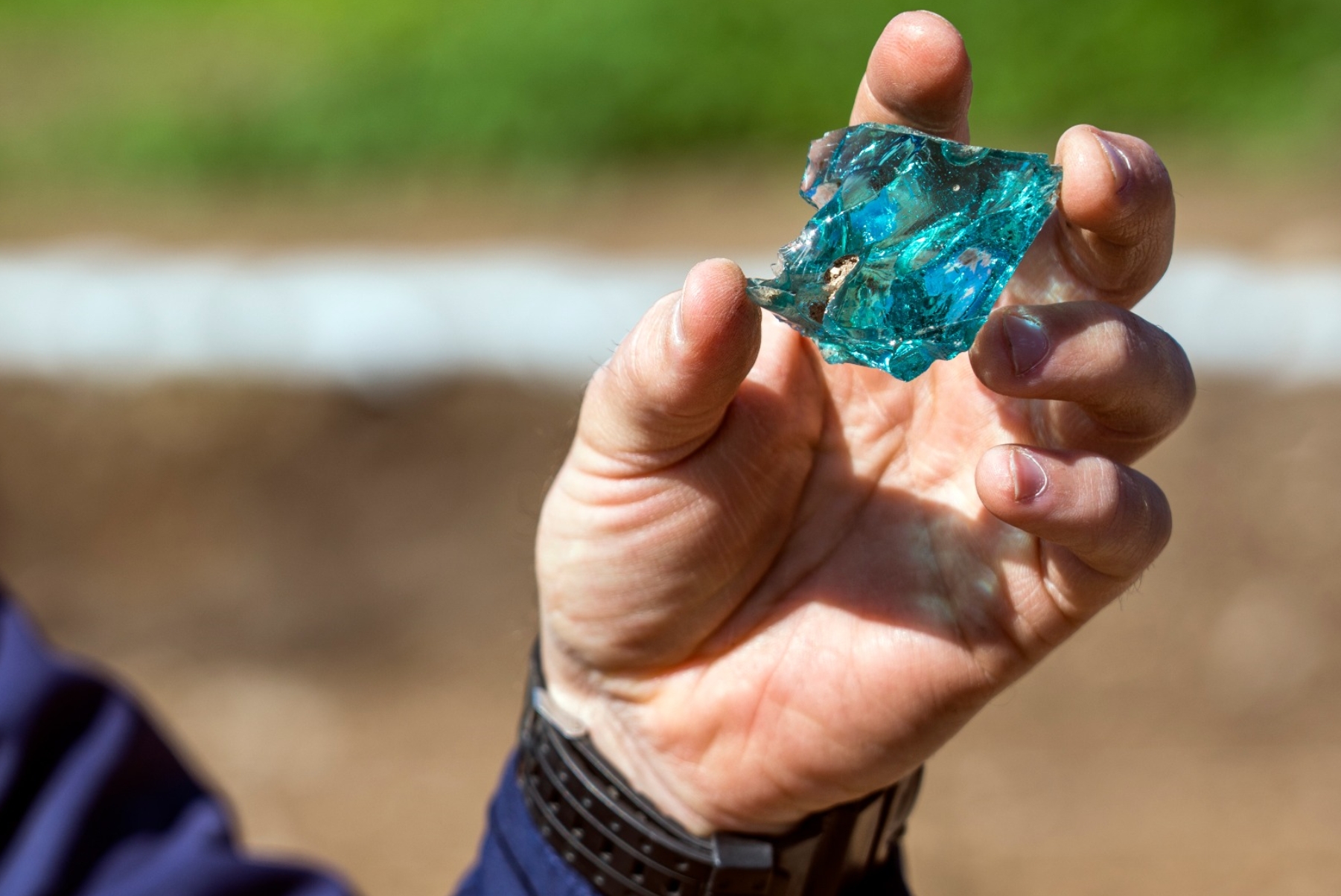 Raw glass fragment uncovered at Usha (Photo: Yaniv Berman, Israel Antiquities Authority)
Restoring a Forgotten Jewish Center
The excavations at Usha uncovered artifacts that strongly testify to Jewish life there, including distinctive pottery, ritual baths, and architectural remains consistent with the period. These findings support historical sources identifying the site as a significant Jewish center and a seat of the Sanhedrin.
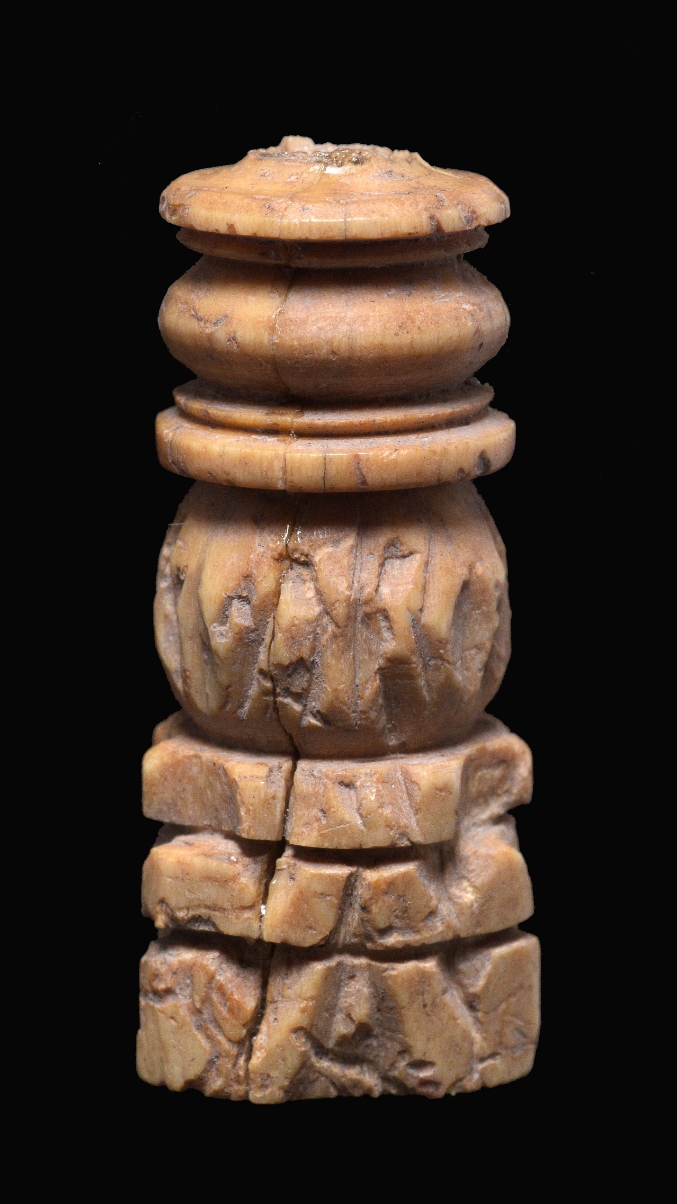 Bone vessel (Photo: Clara Amit, Israel Antiquities Authority)
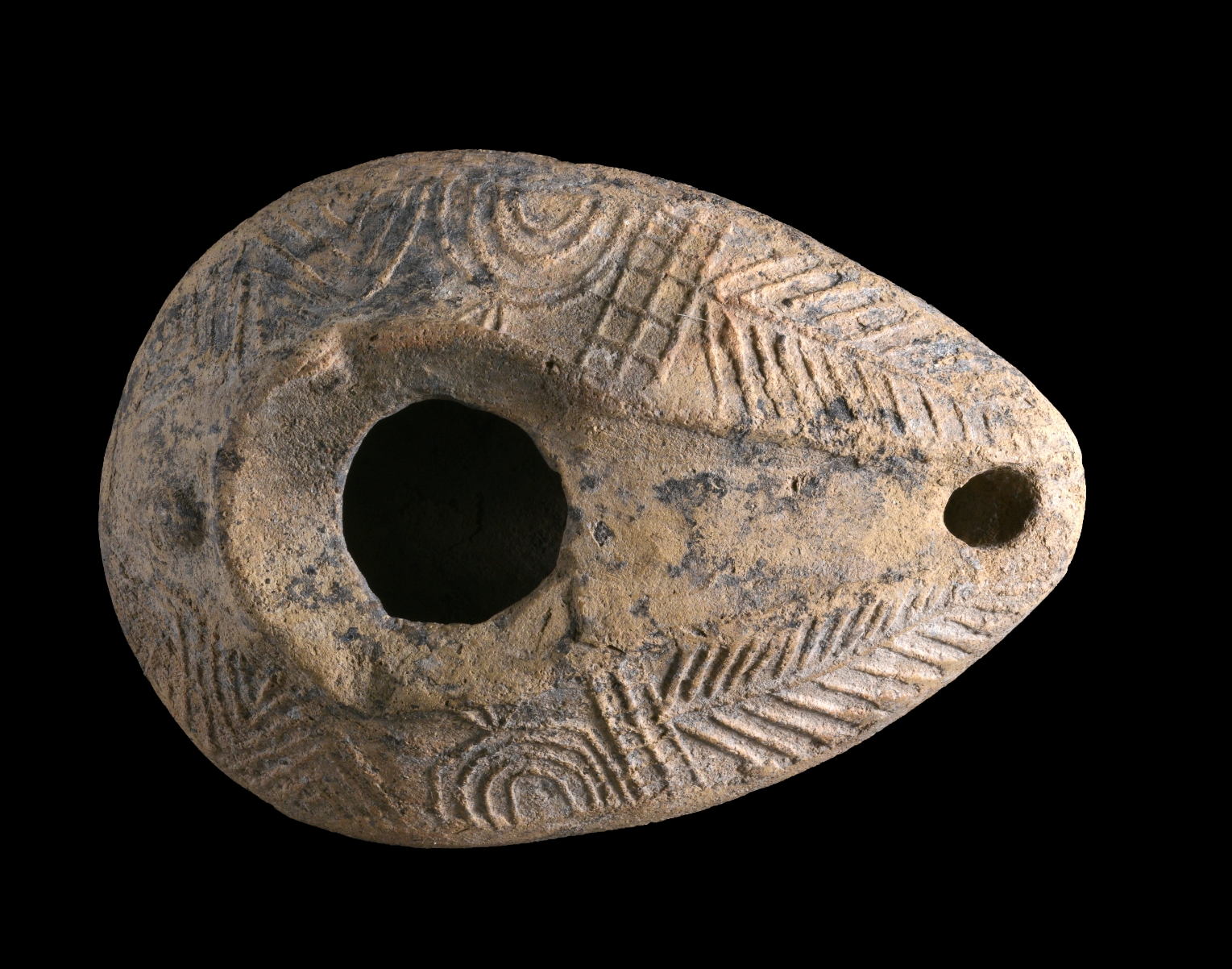 Lamp decorated with a menorah from Usha (Photo: Clara Amit, Israel Antiquities Authority)
For Amitzur, the combination of historical texts, physical evidence, and public participation makes the work especially meaningful. “You are not just digging,” he explains. “You are restoring a forgotten story.”
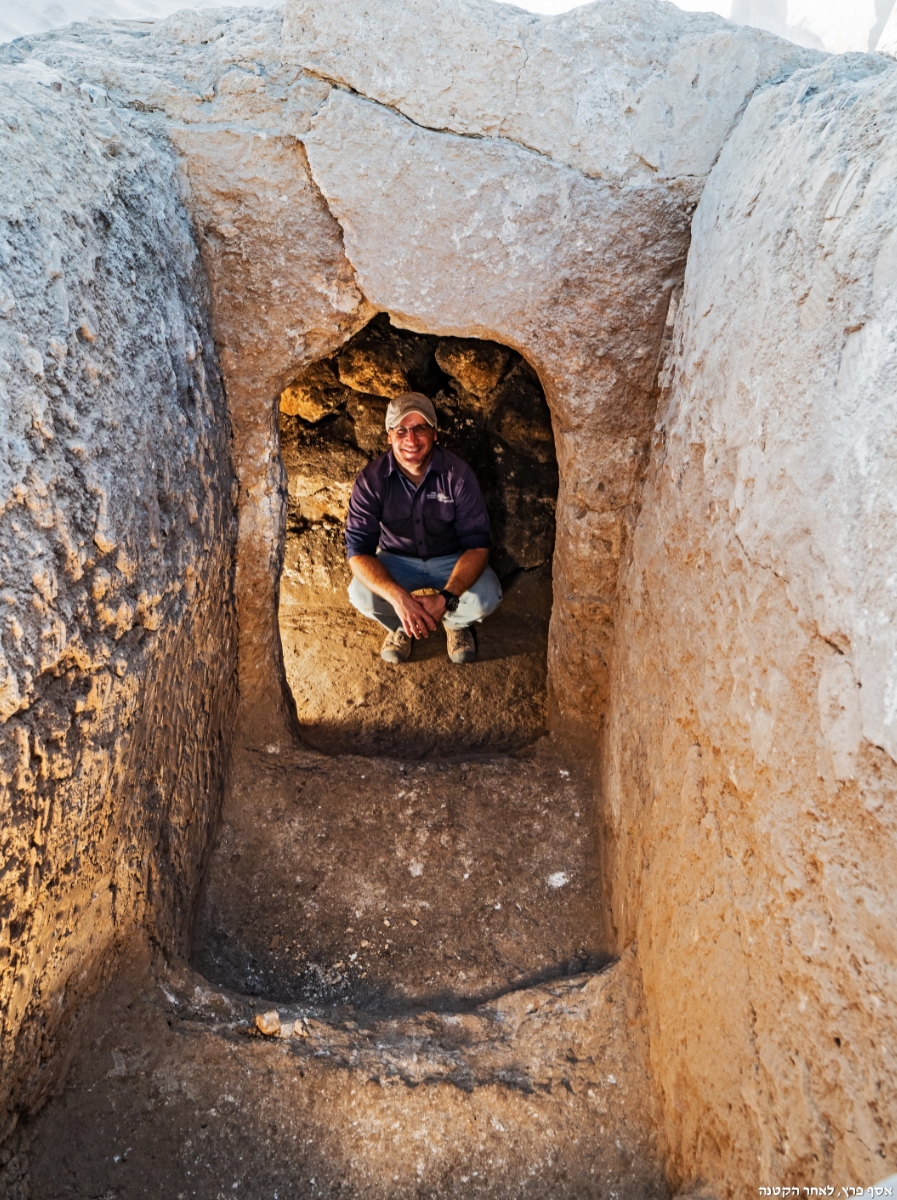 The large ritual bath at Usha (Photo: Assaf Peretz, Israel Antiquities Authority)
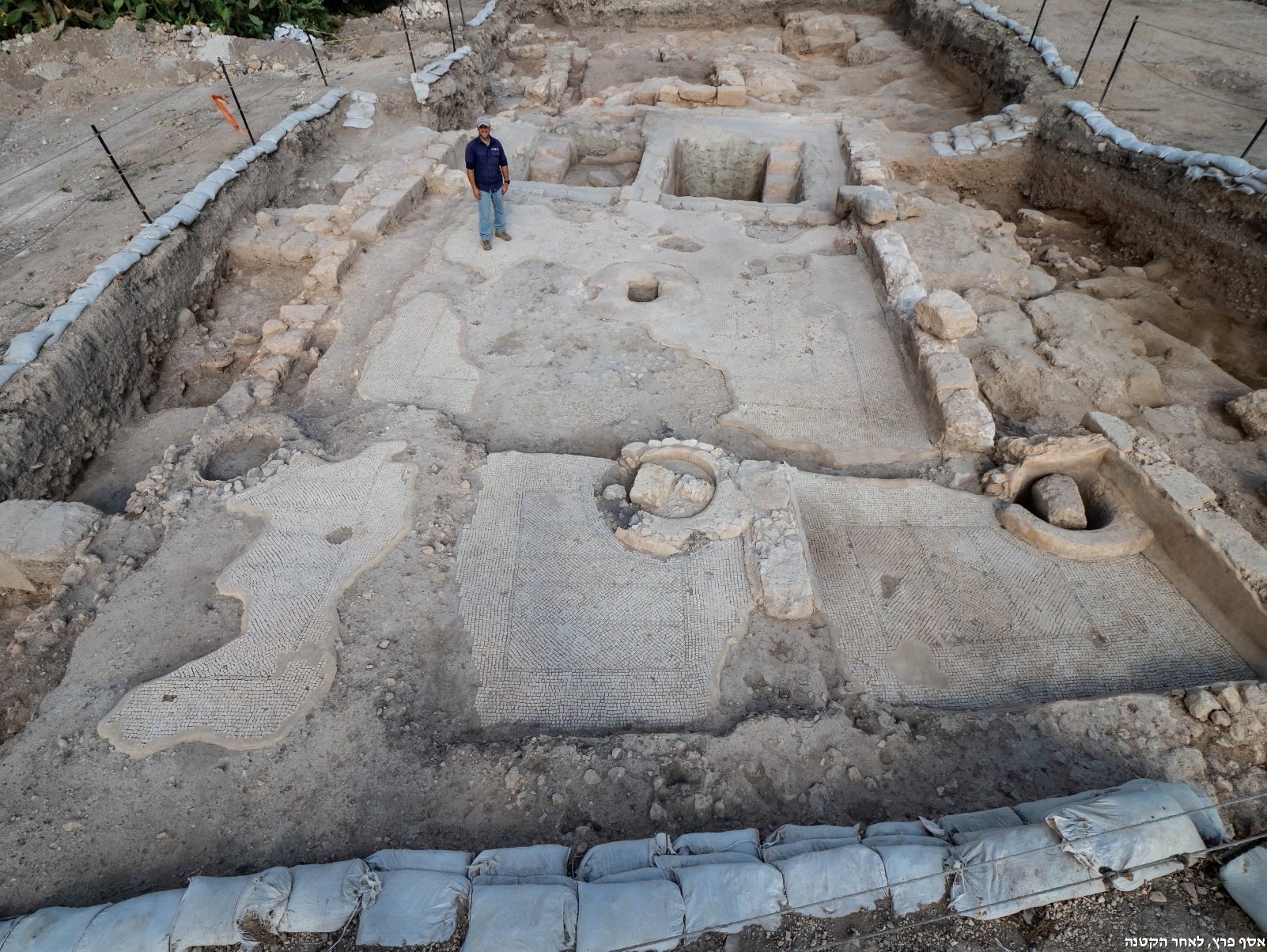 Complex winepress from Usha (Photo: Assaf Peretz, Israel Antiquities Authority)
Saar Ganor: Touching the Days of King David
In the Judean Shephelah, Saar Ganor has led numerous excavations, including one of the most significant sites of recent decades: Khirbet Qeiyafa, widely identified with the biblical city of Sha’arayim.
There, his team uncovered a fortified city dating to the time of King David. Among the most remarkable finds was the earliest known Hebrew inscription ever discovered. The site also revealed ritual structures, stone models of temples, and thousands of animal bones, notably all from kosher species, suggesting adherence to biblical dietary laws.
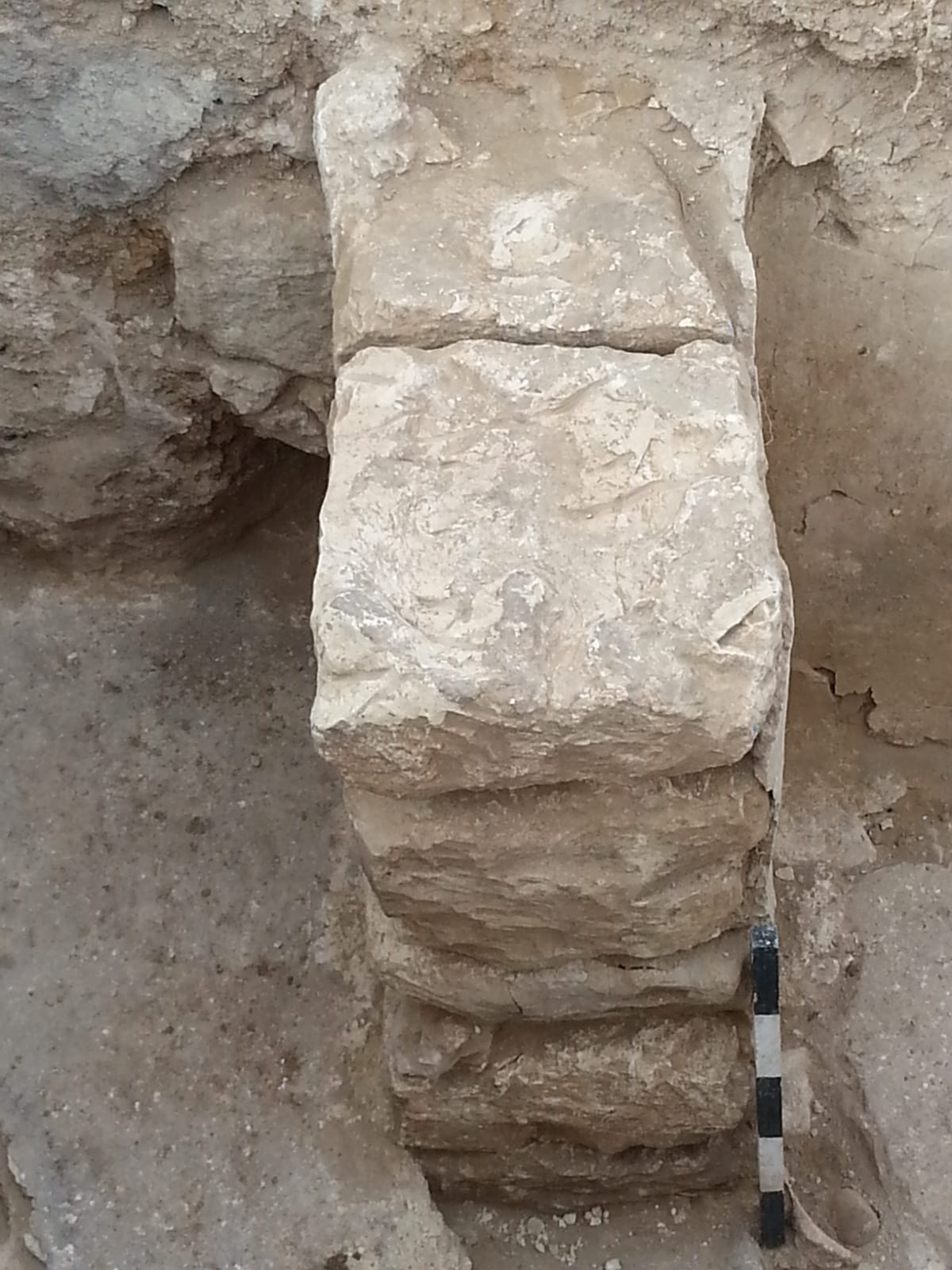 The gate shrine at Tel Lachish: four-horned altars (Photo: Saar Ganor, Israel Antiquities Authority)
Piecing Together the Past
Artifacts from Khirbet Qeiyafa are now displayed in museums, offering the public a tangible connection to the biblical era. Through careful excavation, documentation, and comparison with historical texts, Ganor and his colleagues continue to build a clearer picture of ancient Jewish life.
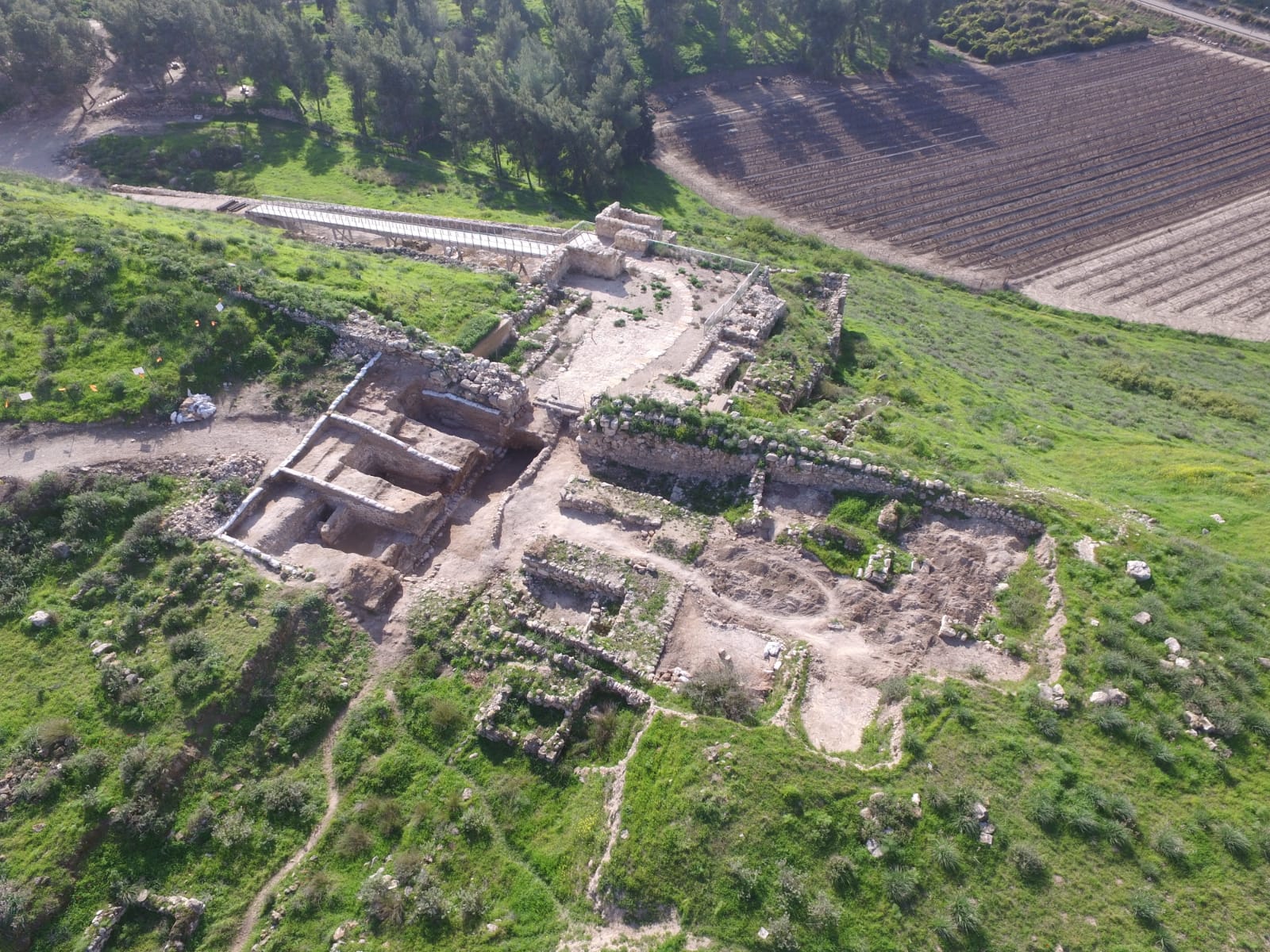 Aerial photo of Lachish city gate (Photo: Emil Aladjem, Israel Antiquities Authority)
These archaeologists are still in the field, still digging, still uncovering new fragments of history. “We are slowly assembling the story,” they explain. “Each discovery helps align the physical evidence with the written sources and deepen our understanding of our heritage.”

