

Shabbat
How Shabbat Becomes a Weekly Sanctuary and “Yom Kippur” for the Soul
A Torah-based guide to building a “Shabbat mind,” remembering creation ex nihilo, and bringing calm, faith, and divinity into everyday life
- Rabbi Avigdor Miller Zatzal
- | Updated
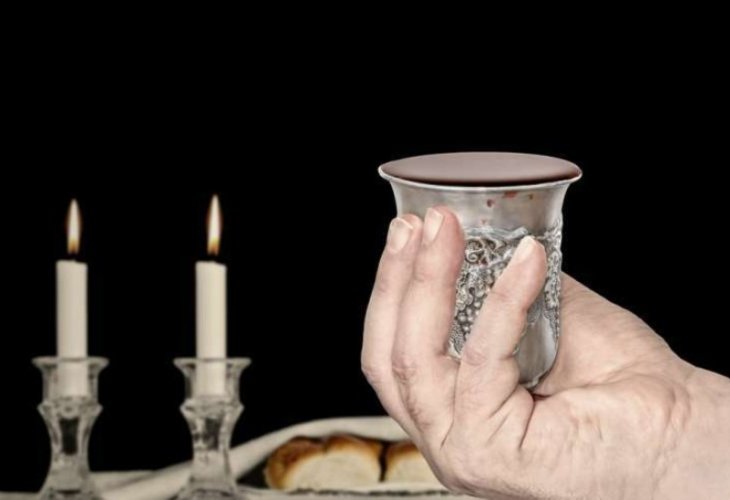 (Photo: Shutterstock)
The first and most essential “dwelling place” of the Shechinah (Divine Presence) is Shabbat itself — when a Jew ceases from creative labor and “rests with God” at home.
Unlike the Mishkan (tabernacle), which was limited to a particular location and period, Shabbat builds a sanctuary in every Jewish home, everywhere in the world — “in all your dwellings.” Shabbat returns week after week, offering the Jewish people an extraordinary opportunity to attain personal wholeness — arguably even more accessible than the Mishkan.
1. Welcoming Shabbat Like a Bride: A New Reality Enters the Home
When we welcome Shabbat, we say, like a groom greeting his bride: “Bo’i kallah, bo’i kallah—Come, O bride, come.” That phrase is more than poetry. It expresses an awareness that Shabbat brings a new reality into our lives.
We are expected to enter Shabbat with the understanding that this day can change us, if we allow it. It is the weekly day designed to implant Torah values into our inner world, so that we return to the week with a different perspective, living the “weekday” itself with a sense of God’s presence.
Shabbat is called “a taste of the World to Come.” What we absorb on Shabbat becomes our preparation for eternity. Our spiritual clarity — how deeply Torah foundations become real to us, shapes who we are becoming.
Shabbat observance, then, is not only a memorial to God’s “rest” after Creation, but also a weekly doorway to inner completion.
The Deeper Meaning of Rest: Building a Torah Mind
Shabbat is more than refraining from prohibited labor. By stepping away from worldly pursuits, we gain the one day each week when our thoughts can turn fully toward the Creator.
It is as though God says: “Do not occupy yourselves today with the concerns of the world. There is something I want you to build on Shabbat — something even more precious than the Mishkan: a mind of Torah.”
Many people, sadly, do not use Shabbat in this way. Even those meticulous in the laws of Shabbat often remain unaware of the spiritual treasure Shabbat can offer, with only a little reflection and effort.
2. How to Access Shabbat’s Treasure: Even a Minute Matters
Learning how to “use” Shabbat is broad and multi-layered. Here we will focus on one dimension: creating the “Shabbat mind” — a way of thinking formed by Shabbat.
This does not happen overnight. But everyone can manage a minute here and there. Gradually, the hidden storehouse of Shabbat begins to open.
A parable helps explain why even small gains are priceless: In a diamond workshop, at the end of the day, the owner would kneel down with a small dense broom and carefully sweep the dust from the floor. A visitor asked, “Why is the owner himself sweeping?” He replied, “Because this is diamond dust. It’s worth getting on my knees for it.”
The same is true with Shabbat: even fragments of its message are worth more than treasure. A single drop of spiritual clarity is more precious than diamonds. When an individual persists in gathering those “crumbs” week after week for a lifetime, the result is nothing short of a personal revolution.
3. Begin with “Vayechulu”: A Weekly Yom Kippur
A striking starting point is the passage “Vayechulu” we say in the Amidah and in Kiddush. The Talmud teaches that one who prays on Friday night and says “Vayechulu” is accompanied by angels who place their hands on his head and declare: “Your iniquity has departed, and your sin will be atoned.”
Each Friday night, a weekly purification and atonement becomes possible, similar to Yom Kippur. Of course, this requires at least a moment of sincere regret and return. In that sacred instant, it is worth recalling one wrong action from the week, or one mitzvah you weakened in, and quietly turning back, right as you declare “Vayechulu.”
What is the significance of these words?
4. “Vayechulu” and the Greatest Declaration Ever Spoken
The first verses of the Torah describe the most awe-inspiring event in existence: Creation itself. Everything reaches its climax in the words:
“Vayechulu hashamayim veha’aretz—The heavens and the earth were completed…”
These are not ordinary words. They are a thunderous declaration that God created existence from absolute nothingness. Not from raw material, not from an explosion of something, not from pre-existing substance, but from nothing at all.
Before “Bereishit,” there was no “something” that could transform. There was no physical reality. There was only God.
Then “He spoke, and it came to be.” God willed “space,” willed a universe, willed life, willed man, and His will itself brought it into existence.
This idea contradicts everything our senses suggest, and it takes repeated effort — week after week, for the truth to penetrate the heart: the world exists because God wills it.
For this reason, Shabbat is “a remembrance of Creation.”
5. Creation Never Stopped: The World Is Being Made Right Now
“Vayechulu” is even more radical. A craftsman makes a bench from wood, which is something from something. Once he completes his work, the bench continues to exist without him.
This is not the case regarding creation from nothing. If God created the world from absolute nothingness, then the world has no independent existence. It continues only because God continually sustains it.
As the verse implies: God “made heaven and earth” and is also the One who “keeps truth forever.” Meaning: He never “withdraws” His sustaining word. If He did, everything would instantly cease.
The world exists, moment by moment, only because God continues to will it.
6. Kiddush as Healing: Restoring the Eye of the Mind
The Talmud says that rushing with “large steps” diminishes a person’s eyesight — and the remedy is Kiddush on Friday night. On a simple level, stress, anxiety, and constant pressure affect the body and even the eyes.
But there is a deeper layer: the frantic pursuit of worldly concerns also blurs the inner eye — the mind’s clarity. We begin to feel that everything depends on us, and we act as if we are the creators of our success. We become tense, hurried, and spiritually near-sighted.
Kiddush restores vision. You stand Friday night with a cup of wine after a pressured week and declare: “Vayechulu… God made it all, and He still runs it all.”
Shabbat becomes the greatest consolation, and the calm realization that God carries the world. You must do your part responsibly — but the crushing burden of “it all depends on me” is an illusion.
This awareness brings serenity to the nervous system and healing to the eyes.
7. Bringing “Vayechulu” into Real Life
Imagine the chaos of a Friday afternoon: the house is upside down, cooking is intense, and suddenly the plumbing backs up. The children slip, the smell spreads, and the husband walks in weighed down by the week.
This is a moment that could ignite.
However, if the couple has been building the “Shabbat sanctuary” in their minds week after week, they remain calm because they remember that God is in charge. This, too, will pass, and Shabbat will still arrive.
Even if a person hasn’t internalized the lesson yet, Friday afternoon is a perfect time to become “a Vayechulu Jew” and think: “Shabbat is coming. God governs everything. I can breathe.”
8. Why “Vayechulu” Atones: The Greatest Teshuvah
We now return to the question: why does saying “Vayechulu” bring atonement?
Saying it with thought is not merely reciting information, but an act of profound inner return. The deepest form of teshuvah is not only regret over wrongdoing, but returning to the most foundational truth of reality: There is nothing but God, and everything exists only by His will.
When a person truly absorbs this, his entire relationship with the world changes. He stops living like the center of reality and begins living with God at the center. That shift is so powerful that it becomes, in effect, his Yom Kippur.
9. The Practical Goal: Say “Vayechulu” and Mean It
Shabbat is not intended to be only technical. Many miss the opportunity by keeping every law, but losing the main gift.
Everything we see — our Shabbat table, our children, the cup, the wine, exists only because God wills it to exist right now.
This is why the Torah begins with: “In the beginning, God created the heavens and the earth.”
These may be the most significant words ever spoken, because they place the foundation beneath all faith, all mitzvot, and all Shabbat.
That is why even the building of the Mishkan stopped each week for Shabbat: even the holiest enthusiasm must bow before Shabbat.
The Weekly Foundation for a Torah Life
The foundation of Shabbat observance is not only what we refrain from doing, but what we enter into knowing.
Saying “Vayechulu” with intention, and internalizing creation from nothing and constant Divine sustaining, is the basic preparation for a Torah mind and for our portion in the World to Come.
Its power is so great that it can become, every week, a weekly return to the deepest truth: All is God’s will, and all is held by Him.

