

Relationships
Trying to Change Your Spouse? That Might Be the Problem
If you feel stuck trying to change your spouse, you are not alone. Discover how this common pattern damages connection and what you can do instead to build understanding and partnership.
- Rabbi Daniel Pinchasov
- | Updated
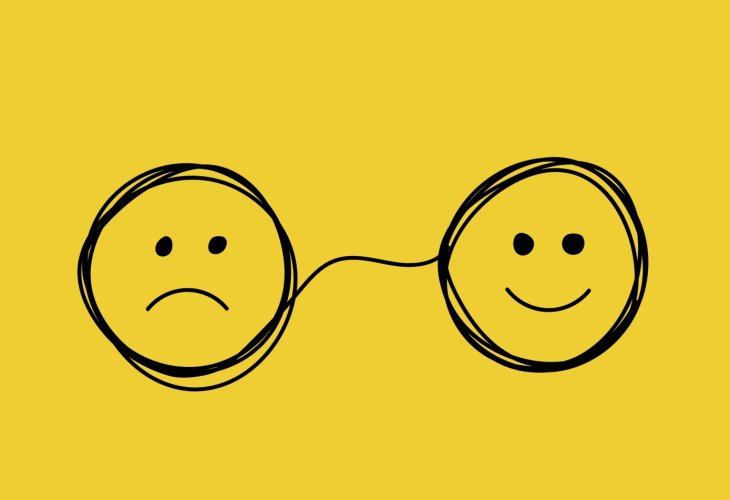 (Photo: shutterstock)
When conflict arises in a relationship, people usually choose one of two paths. One path involves trying to change the other. A husband might buy gifts when his wife behaves the way he wants. A wife might fulfill all her husband’s emotional or practical needs in the hope that he will eventually respond as she wishes. The second path leads to bitterness and ongoing complaints.
Many people choose these approaches believing they will teach their partner how to behave better. But in truth, neither path leads to real resolution.
The Trap of Trying to Change Your Partner
When a person tries to change their spouse, it often stems from dissatisfaction and from the belief that they know better how the other should behave. This dynamic quietly creates an imbalance. One partner positions themselves as the authority, while the other becomes the one who must improve.
Complaints work in a similar way. Instead of creating change, constant criticism often reinforces the very behavior the person wants to eliminate. The struggle becomes endless and exhausting, leaving both sides frustrated and distant.
Communication as the True Key
The most effective tool for dealing with conflict is not control and not criticism, but genuine communication. Healthy communication allows couples to clarify misunderstandings, release built-up emotions, and strengthen their emotional bond.
Our sages describe the human being as a “speaker” because connection through speech is central to our nature. Real partnership is built through dialogue.
The Three Foundations of Healthy Communication
Effective communication rests on three essential steps:
Listening
True listening means making an effort to understand the world from your partner’s perspective. It involves recognizing their needs even when they differ from your own.
Understanding
Understanding means expressing sincere acceptance of the other person as a human being, even when you do not agree with their behavior. It requires separating the person from their actions and maintaining respect for who they are.
Listening and understanding create space for both partners to see the situation more clearly. Instead of blame, each side begins to recognize shared responsibility and the need for joint effort.
Exchanging opinions
Once respect and understanding are present, couples can engage in open discussion. This is not about winning an argument, but about reaching a shared solution. Such dialogue strengthens self-worth, trust, and unity, allowing decisions to emerge from true agreement rather than pressure.
Choosing Partnership Over Resentment
Real change happens when both partners take responsibility for the relationship. Growth comes from choosing acceptance, cooperation, and shared decision-making rather than remaining stuck in complaint or in attempts to control the other.
Rabbi Daniel Pinchasov is a lecturer, marriage counselor, and psychotherapist, author of the book How to Build Healthy Relationships.

