

Relationships
The Hidden Crisis After Birth: Tips for New Parents
Why do so many couples struggle after bringing a baby home? A compassionate look at emotional overload, unmet expectations, and the communication tools that can help partners reconnect instead of drift apart.
- Yael Zakash
- | Updated
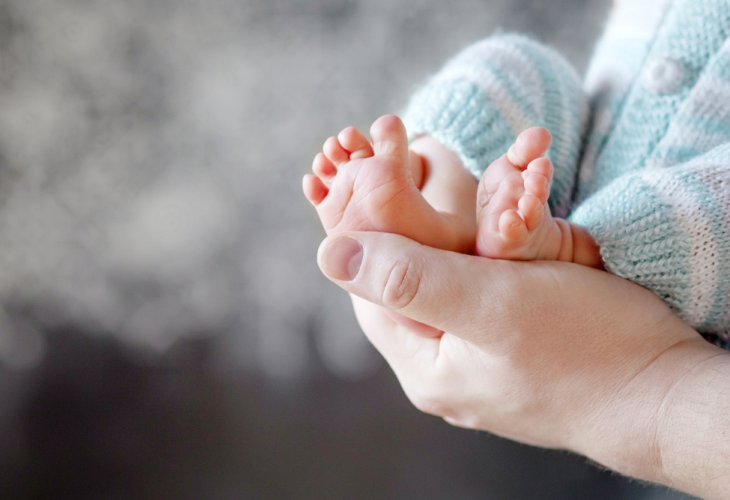 (Photo: shutterstock)
Congratulations! You are parents.
Whether this is your first child, your second, or more, the moment after birth is a profound turning point for the entire family. First and foremost, it is essential to understand the woman’s position after childbirth. A woman who has given birth is not simply returning to routine life. She has entered a new identity. She is now a mother, and this change is not only emotional, but physical, hormonal, psychological, and spiritual.
The sages teach that a woman’s body and inner systems continue adjusting long after birth. Even many months later, she is still in a process of recovery and transition. If you are within this early period, it is not a time for pressure. It is a time for compassion, patience, and deep understanding.
Childbirth is not only joyful. It is also overwhelming. The body has undergone trauma. The soul has shifted. Sleep is disrupted. Identity feels unfamiliar. The transition from woman to mother, and later from mother of one to mother of two and beyond, requires emotional processing. It takes time.
Birth affects the entire household. Routines collapse. Balance shifts. Expectations are shaken. The change is blessed, but it is also complex.
Often after birth, both partners experience distress at the same time. The woman is physically exhausted, emotionally raw, and overwhelmed. The man is often confused, pressured, helpless, and frightened by the responsibility and sudden change. When both are in distress, neither can truly see the pain of the other. Not because they do not care, but because their own pain is too loud.
In such moments, it is important to wait. To pause. To breathe. To allow the storm to settle before drawing conclusions.
This is a time to lean on support systems. Family. Friends. Neighbors. Practical help. Rest. Walks. Warm food. Silence. Music. Anything that brings relief. Without demanding emotional availability from the other when neither has the capacity to give it yet.
Understanding this stage prevents unnecessary resentment. It allows space for recovery.
Do Not Panic. This Is Human
Crises after birth do not mean something is wrong with your marriage. They mean something intense has happened. They mean you are human. Like all humans, you are adjusting to a dramatic change.
Setbacks are part of every life transition. They are not signs of failure. They are signs of growth in process.
Instead of fearing the tension, it can be used as an opportunity for deeper awareness. Every difficulty contains information. What hurts me. What overwhelms me. What triggers me. What does my partner need. What am I missing. What are our boundaries. What are our capacities right now.
If these questions are explored gently, honestly, and without accusation, growth begins.
Learning Each Other Through Role Reversal
One powerful way to build empathy is to practice stepping into each other’s world.
Try to imagine your husband’s experience. The sudden responsibility. The financial pressure. The lack of sleep. The fear of not being good enough. The weight of expectations. Ask yourself how he is coping emotionally, not just functionally.
Then ask him to imagine your world. The physical recovery. The hormonal shifts. The loneliness at home. The exhaustion. The emotional sensitivity. The constant giving without pause. The inner storm.
This mutual imagination softens hearts. It opens doors.
Communication That Heals
Real healing begins when each partner is able to speak honestly about their inner experience, using language of self rather than blame.
Not “you never help me.”
But “I feel overwhelmed and I need support.”
Not “you do not understand me.”
But “I feel lonely and I need to be heard.”
These conversations should take place when both have eaten, rested as much as possible, and the home is quiet. Phones off. Eyes connected. Voices calm. One speaks while the other listens fully. No interruptions. No defense. Only presence.
Then the roles switch. And after both feel understood, solutions naturally emerge.
Understanding creates cooperation. Cooperation creates creativity. Creativity creates solutions.
From Understanding to Practical Change
When empathy is present, practical changes become easier.
Lowering standards for a period.
Accepting outside help.
Using convenience tools.
Adjusting expectations.
Prioritizing rest.
Releasing perfectionism.
Seeking professional guidance when needed.
These are not weaknesses. They are wisdom.
Instead of asking who is wrong, ask what will support both of us. Instead of assigning blame, look for balance. Instead of reacting with anger, pause and ask what is actually needed here.
When both partners feel seen, respected, and emotionally safe, even the most exhausting season becomes a place of bonding rather than breaking.
Growth Comes Through Compassion
Post birth is not only a physical transition. It is a relational one. It reveals vulnerabilities, patterns, expectations, and unspoken fears. If approached with patience and humility, it can become one of the most powerful foundations for long term closeness.
Not by forcing happiness.
Not by pretending strength.
But by choosing understanding again and again.
This is how homes grow strong.
This is how partnerships deepen.
This is how love matures.
Yael Zaksh is a certified couples, family, and individual counselor, intimacy educator, and bridal mentor.

