

Jewish Law
Why Kosher Food Is Healthier: Science, Safety, and the Wisdom of Jewish Dietary Law
Research, hygiene, and quality control reveal the hidden health benefits behind kosher certification
- Hidabroot
- | Updated
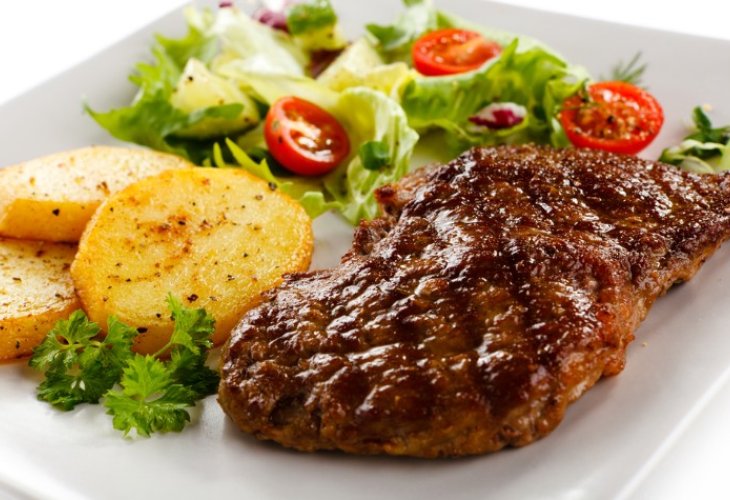
The Jewish commitment to avoiding forbidden foods, including insects, is not motivated by health considerations but by obedience to the divine command. Yet an additional layer of benefit is revealed through health outcomes.
The Zohar states:“The Holy One looked into the Torah and created the world.”Creation itself follows the blueprint of the Torah. Therefore, those who observe the Torah’s commandments are spared many harmful afflictions.
Why Meat Digestion Leaves Us Tired
The feeling of fatigue that often follows eating meat is largely the result of its slow digestive process. Meat takes significantly longer to digest than most other foods. When dairy products are consumed immediately afterward, the milk can ferment during digestion, potentially leading to inflammation and infections in the digestive system. This concern is intensified by the fact that animal blood serves as an ideal breeding ground for bacteria.
The Health Risks of Blood Consumption
Consuming blood exposes the human body to serious risks of infection and poisoning. Jewish dietary law mandates meticulous procedures designed to remove blood completely from meat. These include examination of the animal’s lungs and sinews, thorough cleaning of poultry, salting the meat, and repeated rinsing before and after salting. These processes are essential for maintaining health — and they are not procedures typically enforced by veterinary inspections.
Why Non-Jews Choose Kosher Meat
For this reason, many non-Jews deliberately choose kosher meat for health reasons. In pre-communist Poland, the army had a standing directive to slaughter livestock according to Jewish law. The reason was practical: kosher slaughter removes most of the blood immediately, significantly slowing bacterial growth compared to other methods of killing.
Similarly, a study conducted in pre-communist Russia revealed that adherence to kosher lung inspection laws resulted in significantly lower rates of lung disease among Jews than among non-Jews. For many consumers, the very fact that a kosher product has passed the scrutiny of a kosher supervisor is enough to conclude that it is healthier.
Insects, Contamination, and Food Safety
Y. Roth, a food technologist with the District Food Services Administration at the Be’er Sheva Health Bureau, published a comprehensive article in the journalPublic Healthdetailing the many diseases caused by insects found in food. He identified no fewer than nine types of illnesses transmitted through contact with insects, inhalation, or consumption — including diseases caused by insect wings, secretions, shed skins, eggs, webs, hairs, and other body parts.
Eating kosher food is also a matter of protecting physical health.
Kosher Slaughter and the “Mad Cow” Crisis
During the outbreak of “mad cow disease” in Britain, hundreds of butcher shops closed and tens of thousands of cattle were destroyed. Beef consumption plummeted. Quietly, however, a highly credible study revealed a remarkable finding: Jewish ritual slaughter prevents mad cow disease.
The bacteria responsible for the disease reside in the brain. Stunning the animal before slaughter — a practice that raises serious kosher concerns, causes these bacteria to spread rapidly throughout the body, posing a grave danger to consumers. By contrast, kosher slaughter leaves the bacteria confined to the brain, eliminating the risk.
Ironically, this discovery emerged in England, which had recently sought to ban kosher slaughter due to alleged animal cruelty. The study, conducted by the Agricultural University of Texas, provided unexpected support for the kosher slaughter movement.
Public Health Dangers of Illegal Slaughter
In Israel, Professor Arnon Shimshoni, then chief veterinarian of the Ministry of Agriculture, warned that 70% of sheep slaughter and 44% of cattle slaughter were being conducted illegally, endangering public health. After touring slaughter sites himself, he described the situation in one word: “astonishing.”
More than 50 infectious diseases can be transmitted from livestock to humans. He warned that purchasing meat from illegal slaughter is like drinking water from a roadside puddle — there is a very small chance it is safe. A child who contracts foot-and-mouth disease can be left blind for life. Observant Jews who purchase meat with strict kosher supervision are not exposed to these risks.
Kosher Poultry: Cleaner, Safer, Better Tasting
A study conducted by the Department of Food Science at the University of Pennsylvania found that kosher poultry surpassed non-kosher poultry in quality. Kosher birds exhibited lower bacterial counts and lasted longer on butcher shelves. Although tenderness was comparable, consumer tasting panels consistently preferred the flavor of kosher poultry.
The Rise of “Kosher Food” in America
In the past, kosher food in America was associated mainly with traditional Jewish dishes, such as blintzes, chopped liver, matzah balls, gefilte fish, and Passover products. Today, kosher certification appears on pasta by major brands, Mexican tacos, frozen Chinese vegetables, and even beer.
American consumers increasingly associate kosher certification with higher quality, stricter supervision, and better hygiene. Companies are willing to pay premium fees to kosher supervisors and even fund international travel to ensure close oversight of production facilities. As one American food executive toldThe New York Post: “Spending a few thousand dollars on our kosher supervisor pays for itself very quickly — and then some.”
A Billion-Dollar Industry
Kosher products in the U.S. now generate between $750 million and $1 billion annually, with only about 25% tied to Passover. Most kosher products are produced by non-Jewish companies. Major supermarket chains successfully sell Israeli kosher products, not out of charity, but because demand often exceeds supply.
Smoked turkey products from Kibbutz Tirat Zvi, for example, sell so quickly that shelves are frequently empty. This success culminated in the first national American kosher food expo in New York, attended by 50,000 people over four days.
Experts estimate that kosher food sales in the U.S. exceed $30 billion annually, with approximately 20,000 kosher products on the market and about 1,000 new products added each year.
Kosher Certification as Quality Control
Bakery managers report that stringent kosher supervision has dramatically improved product quality. Kosher standards enforce exceptional levels of cleanliness, pest prevention, and process control. As hygiene improves in flour mills and bakeries, insect infestation drops sharply, thereby benefiting all consumers.
A Blueprint for Life
What began as a system of divine commandments has proven to be a comprehensive framework for health, hygiene, and quality control. While Jews observe kosher laws because God commanded them, modern science continues to uncover the wisdom embedded within those laws, confirming that the Torah is not only a spiritual guide, but a blueprint for life itself.

