

Relationships
Is Arguing Healthy in Marriage? The Difference Between Dialogue and Conflict
Not every argument is destructive, but some are. Learn the crucial differences between healthy dialogue and damaging conflict, and how the right communication style can transform your relationship.
- Rabbi Daniel Pinchasov
- | Updated
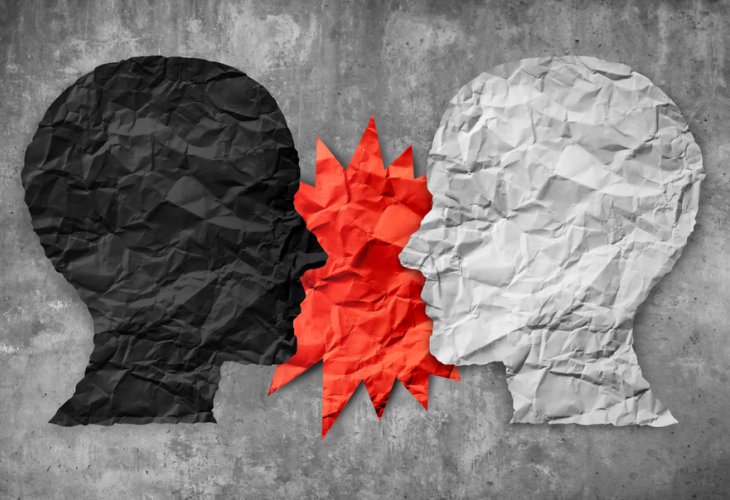 (Photo: shutterstock)
In nearly every home, disagreements arise between partners. The question is whether arguing can be a healthy and legitimate part of a relationship, since no two people think alike, or whether it reflects a deeper problem and an inability to live together peacefully.
Three Forms of Communication in Relationships
There are three main communication channels commonly found in couples:
1. Dialogue
In dialogue, both partners allow one another to speak fully and express thoughts and emotions without interruption. Each side listens with genuine interest and with the desire to understand, often using small gestures and verbal cues that show attentiveness and presence. Dialogue is guided by a shared goal: to understand the issue and to find a solution that enables growth and change.
There is no place for blame in dialogue. Both partners see themselves as working together toward a common outcome. The goal is not to win, but to listen, to understand, and to be open to influence.
Conversation remains focused on the present issue and does not drift into unrelated topics or past grievances. Even when painful matters are discussed, the tone remains calm. There is no escalation, no accusations, and no criticism. The atmosphere allows for openness, trust, and cooperation, making it possible to reach joint decisions.
2. Debate
In a debate, the tone shifts. Each partner speaks primarily in order to defend their own position rather than to understand the other. Listening becomes limited, and the conversation often includes accusations and counterarguments. Each person seeks to impose their solution and to prove that they are right.
Debate tends to stir emotional intensity and creates discomfort. The atmosphere becomes tense, filled with anxiety and inner pressure. At this stage, there are usually only two possible outcomes: either the couple manages to regain emotional balance and return to dialogue, or the interaction deteriorates further into a quarrel.
3. Quarrel
A quarrel is marked by a complete breakdown of listening. Voices rise, emotional control is lost, and words become hurtful. Each partner is focused on releasing anger rather than solving the problem. The aim is no longer connection but dominance, and the emotional damage can be significant.
Choosing the Healthier Path
Every couple benefits from cultivating dialogue as their primary form of communication. It is important to create space for regular conversations in a calm and pleasant atmosphere, without pressure and without emotional overload.
Differences of opinion are not a threat to a relationship. On the contrary, when handled through respectful dialogue, they can deepen understanding and lead to more creative and balanced solutions. The more focused and sincere the conversation, the more valuable those differences become.
This should be the shared aspiration of every couple. Even when it feels difficult, effort in this direction almost always yields meaningful and positive results.
Rabbi Daniel Pinchasov is a lecturer and expert in marriage counseling and psychotherapy.

