

Relationships
Before the Children Arrive: Are Our Differences a Warning Sign?
Many young couples begin to question their marriage when the initial harmony fades. This article offers a deeper perspective on why differences are not a danger but an invitation to maturity and connection.
- Rabbi Daniel Pinchasov
- | Updated
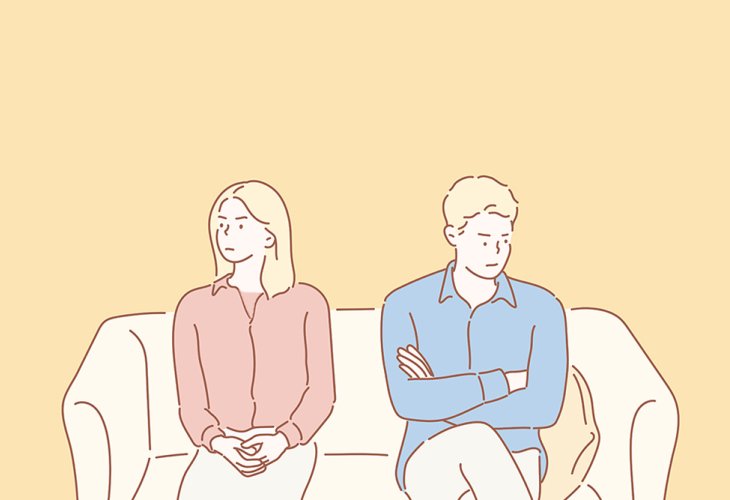 (Illustration: shutterstock)
"My wife and I are still relatively newly married, and we do not yet have children. Recently, we began to notice just how different our personalities and traits are, and it made us wonder whether we should reassess our marriage before bringing children into the world."
Hashem created differences between man and woman not only in personality, but also in their approach to both spiritual and physical life. Naturally, these differences can cause concern. Partners may fear that the gaps between them are too wide to bridge.
It sometimes feels as though the personalities of each partner are so distant that there is little connection at all. And indeed, there are differences. Men tend to lean more toward logic, while women are generally more connected to emotion. Added to this are each person’s life experiences, which shape identity and behavior, whether consciously or unconsciously.
Difference Does Not Mean Disconnection
The beauty of a relationship lies not in similarity but in complementarity. Marriage is not about being identical. It is about learning to accept the differences and understanding that they often complete what is missing within us.
For example, if the husband is enthusiastic and spontaneous while the wife is more reserved and cautious, this contrast may initially create friction. Yet when approached correctly, his openness can help her feel more comfortable engaging with others, while her grounded nature can help him pause and think carefully before making important decisions. What once seemed like opposition can become balance.
The Deeper Meaning of Partnership
Hashem says, It is not good for man to be alone; I will make him a helper opposite him. Woman is created to be a true partner, not a duplicate. The Torah does not describe her creation as a repetition of man’s formation from the earth. Instead, Hashem puts man into a deep sleep and fashions the woman from his side.
When man awakens and sees Chava, he recognizes that she is of him and yet distinct. He senses that something within him has changed, that a dimension of emotional depth is no longer fully present in him as before. He understands that she carries this quality, and that together they form a complete human being. His logic and her emotion are meant to join, creating a more balanced, thoughtful, and whole way of living.
He realizes that Hashem did not make a stranger for him, but a part of himself. Through connection with her, he does not lose himself. He becomes complete.
Rabbi Daniel Pinchasov is a lecturer, expert marriage counselor, and psychotherapist.

