

Magazine
Living With Epilepsy: When Silence Becomes Too Heavy
For years, singer Yedidya Shpizada carried a secret. Living with epilepsy through personal and national upheaval, he discovered a single truth: healing begins with openness and self-acceptance.
- Michal Arieli
- | Updated
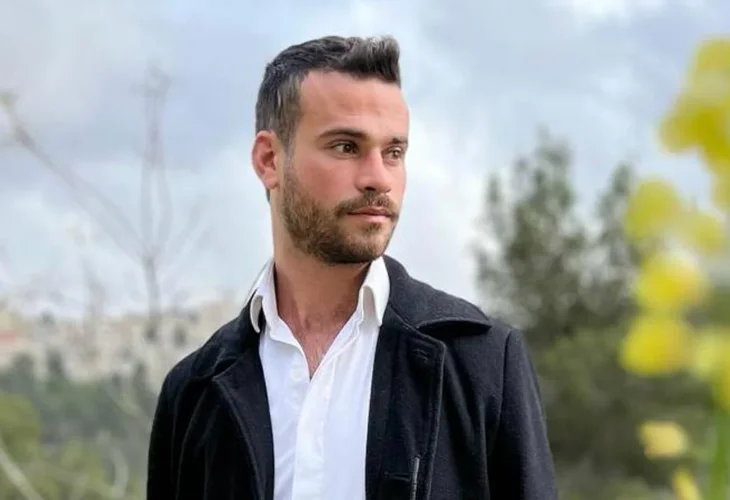 Yedidya Shpizada
It happened for the first time when he was eleven years old, within the seemingly safe confines of a boarding school. Yedidya Shpizada did not understand what was happening when he suddenly staggered and collapsed. He has no memory of the fall itself, only of the moment afterward. That was the first time he experienced an epileptic seizure, and in that moment began a journey with a challenge that would accompany him from then on.
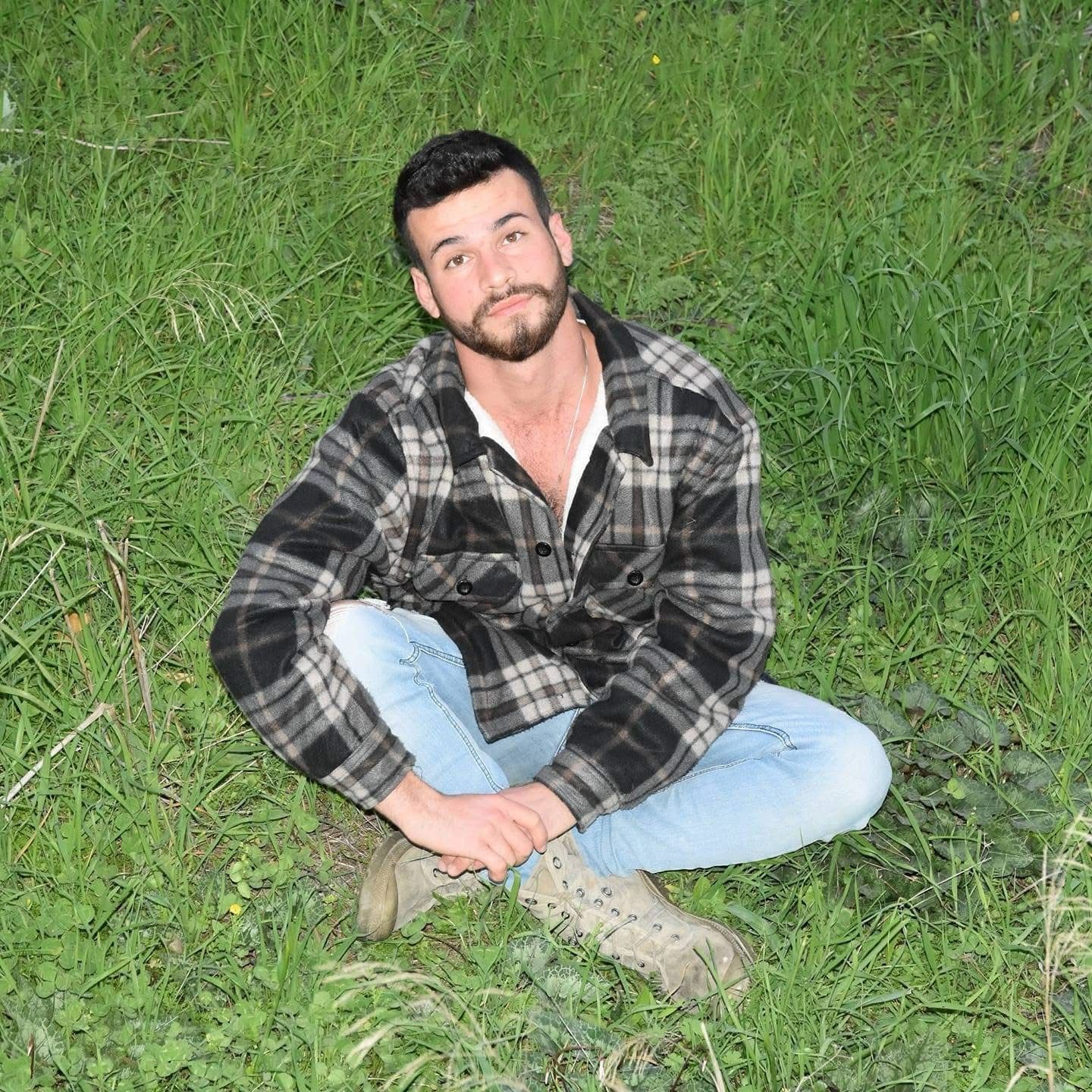 Yedidya Shpizada
“Anyone who has witnessed a person having an epileptic seizure understands how stressful it is,” Shpizada says. “But the truth is that for the person experiencing it, it isn’t just stressful. It is a real, life threatening situation. There is no warning, and it can happen anywhere, at any time.”
He pauses, then adds a realization that has formed over the years. “It’s stressful and unpleasant, but it also connects you more deeply to your meaning in the world. It helps you understand that if you are here, you have a purpose. You are not here for nothing.”
Music Alongside the Limitation
Epilepsy is an inseparable part of Shpizada's life. Today he is twenty seven. Yet he does not allow it to dictate his path, nor does he let it block his musical development, which began at a very young age.
“At seven, I sang in front of an audience for the first time, about four hundred people, at my older brother’s Bar Mitzvah,” he recalls. “I performed the song ‘Rachem,’ and to this day I remember it as an incredibly powerful experience.”
From there, his path continued naturally. He sang in synagogue, served as a soloist at ceremonies, and performed with bands at various events. Later, he pursued music academically as well, participating in workshops and courses, including formal studies at a music school in Tel Aviv.
Alongside his musical growth, limitations were always present. “When I performed, I asked producers to reduce the use of strobe lights because they can trigger seizures. I also made sure to sleep at least eight hours every night, since lack of sleep is a known trigger. It’s not easy for a teenage boy who wants to be like everyone else.”
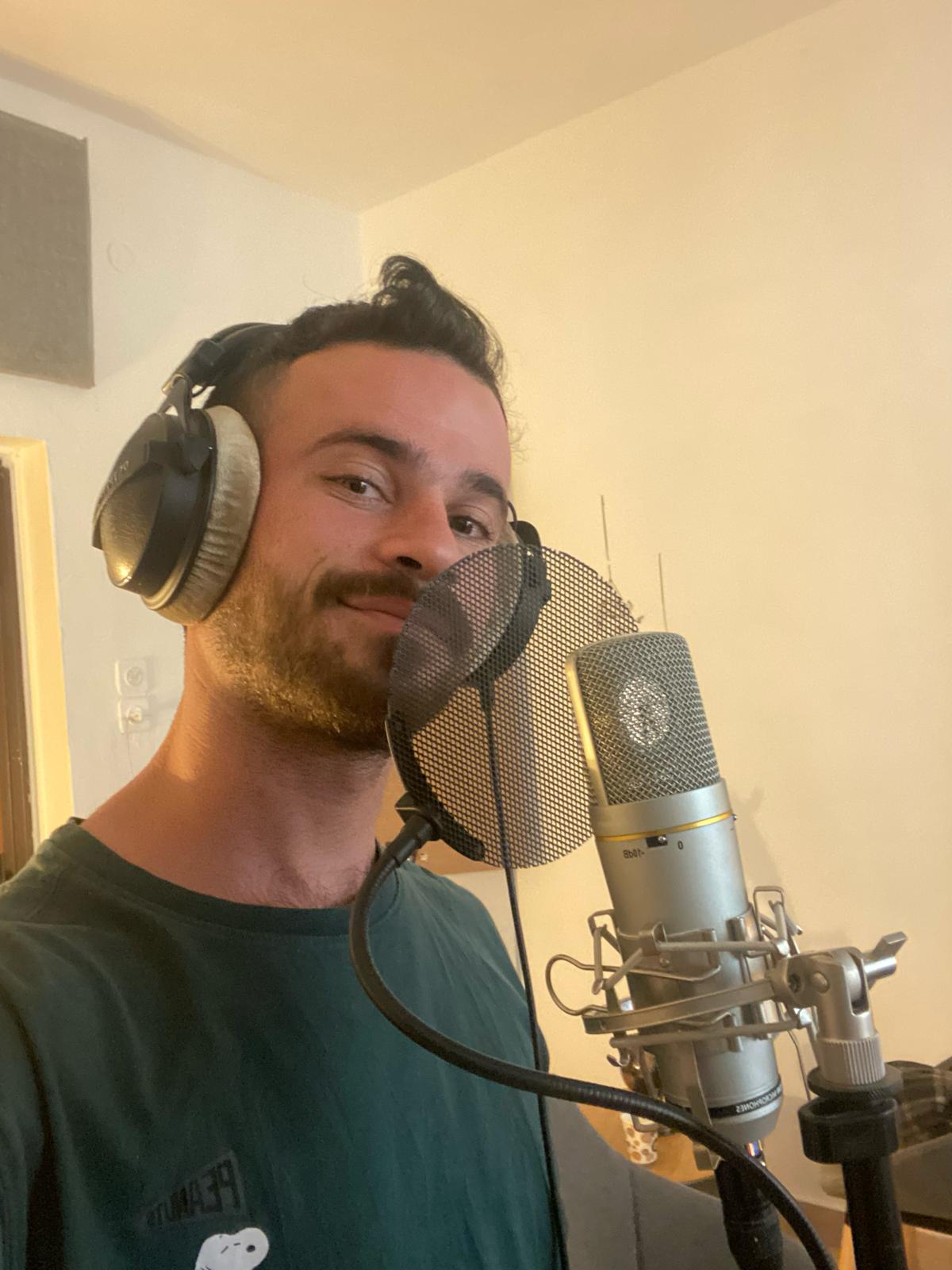 Yedidya Shpizada recording
 The difficulty intensified during driving lessons. “To receive a license, you must wait five years since your last seizure. All my friends had licenses, and I didn’t. Each time I thought, now it’s my turn, another seizure would come and send me back to the beginning.”
Living in Secrecy
Did you share what you were going through with people around you?
“Almost not,” he answers. “And it wasn’t easy. I studied at Har Chaim Yeshiva and later served in the army. When you’re constantly surrounded by people, keeping a secret is very difficult. Still, I managed. Only close family members and a few friends knew.”
In the army, he says, he was treated normally, though he was granted extra sleeping hours. “That always raised questions among the people around me.”
Looking back, his perspective has changed. “Today I understand that hiding didn’t help me at all. It was a waste of energy. Research shows that epilepsy is not only medical. It is deeply connected to stress in the brain. The calmer I am, the more I avoid anger, outbursts, or even small things like honking on the road, the less likely a seizure is to appear.”
 Yedidya Shpizada
Simply talking about his struggle, he explains, made a difference. “When I stopped hiding, my stress naturally went down, and I became calmer.”
From Shame to Acceptance
This understanding reshaped his life. “I started speaking openly about epilepsy, without shame,” he says. “I even began to include it in some of the songs I write, sometimes directly and sometimes between the lines.”
Today, he sees epilepsy differently. “It is a challenge, but it is also a gift. It makes me appreciate life more. It teaches me to notice small things and be grateful for them. I understand more than ever that everything comes from Him, and if that’s the case, who are we to complain?”
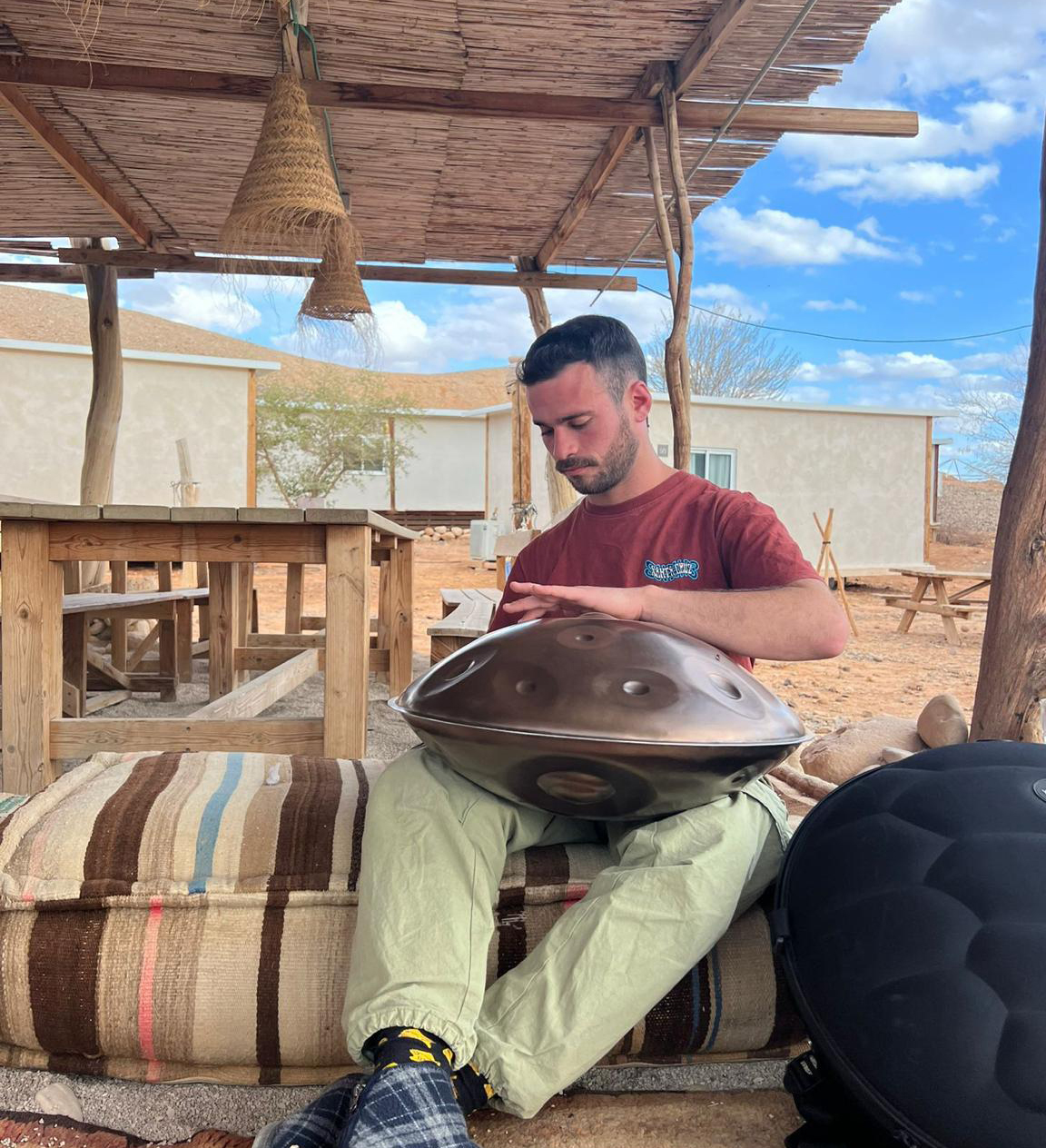 Yedidya Shpizada
A Personal Struggle Becomes a National One
When the War of Iron Swords broke out, Shpizada felt his personal struggle merge with the national one. During that time, he found himself writing a new song, a process that unfolded over nearly two years and grew out of the immense pain of the Jewish people.
“I wrote it during a time when I needed to express the feelings we all share,” he explains. “We are all fighting an ongoing battle against impulses that try to overpower us. In the end, we realize that Hashem is there, something far greater than us, and as Jews, we must take pride in this struggle.”
His songs do not attempt to impose artificial order on reality. Instead, they give space to questions, doubts, and lived experience. “I don’t always have answers,” he admits. “Not in music and not in life. But I pray, and when I accept reality as it is, I feel my way of life becomes more aligned.”
He is deliberate in his creative process. “I think deeply about every song before it’s written. Nothing comes out spontaneously. I consult with music professionals and with people from the spiritual world, and I listen carefully to criticism. It took a long time before I released my first song, and even today, it takes time to gather the courage to release more.”
Vulnerability and Courage
Do you ever receive negative reactions?
“Yes,” he says honestly. “That happens. But it doesn’t stop me from seeking advice. That’s the way forward, to learn from as many people as possible.”
With the outbreak of war, he began to see a deeper parallel. Just as his body experiences seizures of pain, anger, and loss, so does the state. “The line between the internal and the external blurred. The body and the state became one. Sometimes the state shakes and struggles to function, but a broken heart is still a beating heart. A mourning state is one that will rise again.”
This insight gave birth to his new song. In it, he reveals his struggle with epilepsy while creating a deeply personal tribute to the country he loves.
Choosing Not to Hide
Were you afraid to reveal a secret you had kept your entire life?
“It wasn’t easy,” he says. “It still isn’t. But I believe it’s an important mission. First, so that people dealing with similar challenges won’t feel ashamed. And second, because life is precious. It’s a shame to spend it hiding.”
He is careful to clarify that not everyone needs to express themselves through music. “But it is always possible to talk, to share. It’s incredibly relieving.”
He named the song Everything That Is Not Good About Me, I Embrace Today. “That’s the message I wanted to convey. The chorus begins with the words, ‘It’s good to have a place to return to, it’s good to have a home.’ It’s my way of thanking, from the depths of my heart, for everything I have, personally and collectively.”

