

Torah Personalities
The Power of Hope in Jewish Thought: How Trust in God Brings Purification and Redemption
Why hope, joy, and faith can transform judgment into mercy and uplift the soul
- Rebbetzin Chedva Levi
- | Updated
The most fundamental principle is the root of a person’s connection to the source of the supreme influence that comes from Heaven. These two realms operate together in an eternal cycle of influence.
It is well known that Chassidim and people of spiritual depth bind themselves to the point of the tzaddik (the righteous individual), casting all their movements, thoughts, and actions upon the Creator, in the spirit of the verse: “Cast your burden upon the Lord, and He will sustain you.”
On one hand, a person lifts his eyes to the Holy One, blessed be He, in hopeful expectation of salvation. On the other, the Creator bestows upon him — through His mercy, purity and lovingkindness.
The Teaching of the Ramchal
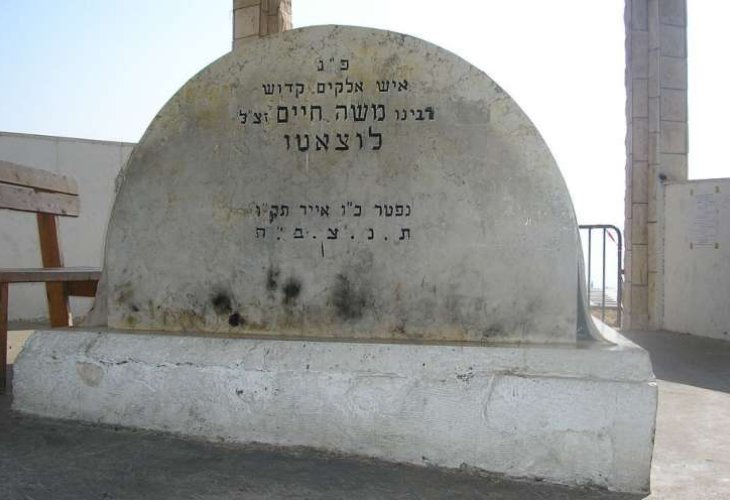
This dynamic is defined in a wondrous way by Rabbi Moshe Chaim Luzzatto, author of Mesillat Yesharim and many other works.
The Ramchal authored the essay “The Power of Hope” (Koach HaKivui), considered one of the greatest and most influential writings for achieving true success in life.
It is well known that the power of hope is among the strongest forms of emotional and spiritual work, profoundly affecting a person’s development and growth. Our Sages taught that when a person ascends to the World Above, he is asked: “Did you hope for salvation?”
“Hope Is a Person’s Purification”
The Ramchal teaches: “A person’s hope is his purification.” One must constantly believe in God’s absolute mercy. Even if a person has fallen and sinned, he must believe that God desires his purification, and therefore must continue to hope for God’s salvation. Divine salvation can come in the blink of an eye; in a single moment, judgment can turn into mercy.
The Ramchal’s Words
“‘For Your salvation I hoped, O Lord’ (Bereishit 49:18). Hope must be directed to the Name Havayah, which is the root of all things, and not to any other appellation. Whoever hopes, his prayer ascends without intermediary, not through an angel, but directly: ‘For Your salvation,’ precisely, as one who speaks face to face, not through a messenger. For hope is a line that pierces, breaks through, and rises straight up to God Himself.”
He continues: “One who hopes is always joyful, without sorrow — for it is known that joy sweetens judgments.”
And he adds these astonishing words: “One who hopes — even if he enters Gehinnom, he emerges from it, as it is said: ‘But those who hope in the Lord shall renew their strength; they shall soar on wings like eagles’ (Yeshayahu 40:31). God shines His light upon him, and many exalted angels lift up the one who hopes — ‘with wings like eagles,’ and ascend with him upward. His hope is his purification. ‘The Hope (Mikveh) of Israel’ (Yirmiyahu 14:8), literally.”
This connects deeply with the moving words of Rabbi Akiva: “Fortunate are you, Israel — before Whom are you purified, and Who purifies you?”
Your Father in Heaven purifies you.

