

Prayer Book - Tefilon for the Sephardic Community
Kiddush For Shabbat In A Version Adapted For Sephardim And Edot HaMizrach
"יום הַשִּׁשִּׁי. וַיְכֻלּוּ הַשָּׁמַיִם וְהָאָרֶץ וְכָל צְבָאָם: וַיְכַל אֱלהִים בַּיּום הַשְּׁבִיעִי מְלַאכְתּו אֲשֶׁר עָשָׂה. וַיִּשְׁבּת בַּיּום הַשְּׁבִיעִי מִכָּל מְלַאכְתּו אֲשֶׁר עָשָׂה". Enter For The Full Version
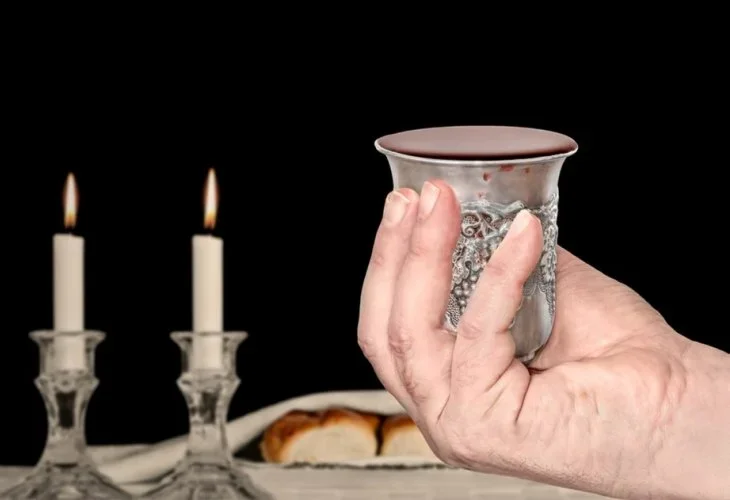 Kiddush For Shabbat (Photo: Shutterstock)
Kiddush – Edot HaMizrach Version:
In a whisper:
וַיְהִי עֶרֶב וַיְהִי בקֶר:
לְשֵׁם יִחוּד קוּדְשָׁא בְּרִיךְ הוּא וּשְׁכִינְתֵּיהּ, בִּדְחִילוּ וּרְחִימוּ, הֲרֵינִי מוּכָן וּמְזוּמָן לְקַיֵּם מִצְוַת עֲשֵׂה לְקַדֵּשׁ עַל הַיַּיִן, כִּדְכִתִיב, זָכור וְשָׁמור, זָכְרֵהוּ עַל הַיַּיִן:
יום הַשִּׁשִּׁי. וַיְכֻלּוּ הַשָּׁמַיִם וְהָאָרֶץ וְכָל צְבָאָם:
וַיְכַל אֱלהִים בַּיּום הַשְּׁבִיעִי מְלַאכְתּו אֲשֶׁר עָשָׂה. וַיִּשְׁבּת בַּיּום הַשְּׁבִיעִי מִכָּל מְלַאכְתּו אֲשֶׁר עָשָׂה:
וַיְבָרֶךְ אֱלהִים אֶת יום הַשְּׁבִיעִי וַיְקַדֵּשׁ אתו. כִּי בו שָׁבַת מִכָּל מְלַאכְתּו אֲשֶׁר בָּרָא אֱלהִים לַעֲשׂות:
סַבְרִי מָרָנָן(הנוכחים: לחיים)
בָּרוּךְ אַתָּה ה' אֱלהֵינוּ מֶלֶךְ הָעולָם בּורֵא פְּרִי הַגָּפֶן:
בָּרוּךְ אַתָּה ה' אֱלהֵינוּ מֶלֶךְ הָעולָם. אֲשֶׁר קִדְּשָׁנוּ בְּמִצְותָיו וְרָצָה בָנוּ. וְשַׁבַּת קָדְשׁו בְּאַהֲבָה וּבְרָצון הִנְחִילָנוּ. זִכָּרון לְמַעֲשֵׂה בְרֵאשִׁית. תְּחִלָּה לְמִקְרָאֵי קדֶשׁ זֵכֶר לִיצִיאַת מִצְרָיִם. וְשַׁבַּת קָדְשְׁךָ בְּאַהֲבָה וּבְרָצון הִנְחַלְתָּנוּ:
בָּרוּךְ אַתָּה ה'. מְקַדֵּשׁ הַשַּׁבָּת:
In the Ten Commandments, the command to observe the Shabbat appears with the words: "Remember the Sabbath day to sanctify it." The Sages explained: "Remember it over wine upon its entrance." "Upon its entrance" - on Friday night. Some have the custom to perform the Kiddush while standing, and some have the custom to perform it while sitting. For the text of the blessing click here.
The Kiddush is the mention of the day's sanctity through speech, and it is a testimony to the creation of the world. The testimony is carried out by quoting the verses: "And the heavens and the earth were finished, and all their host. And on the seventh day God finished His work which He had made; and He rested on the seventh day from all His work which He had made. And God blessed the seventh day, and sanctified it; because that in it He rested from all His work which God in creating had made."
When a person stands by his household and sanctifies over the wine on Friday night, he testifies before the nation and the world that he believes there is a Creator of the world, that no detail was created on its own, and there is no randomness in the world; rather, everything is included in the actions of Hashem, the Maker of the Work of Creation.
Another reason for remembering the Shabbat day is mentioned in the text of the Kiddush with the words: "A remembrance of the Exodus from Egypt." The Shabbat commemorates the story of the Exodus from Egypt, the departure from slavery to freedom.
The Kiddush is the symbol of faith in the reality of the Creator. The one who performs the Kiddush declares that he believes in the principles of Judaism, and that he associates himself with the people who sanctify the seventh day, a people singled out for the role of bearing the message of faith to the world.
It is forbidden to eat or drink before performing the Kiddush. This prohibition applies from the moment a person accepts upon himself the sanctity of the Shabbat, and no later than a few minutes before sunset.
Our Sages instituted performing Kiddush in the morning as well. In this Kiddush too, one recites the blessing over a cup of wine: "Borei Peri HaGafen." It begins first with verses regarding the giving of the Shabbat to Israel ('Veshamru'), and some add verses regarding the commandment to remember the Shabbat. This Kiddush is called "Kiddusha Rabba" (The Great Kiddush).

