

Purim
Why Some Children Don’t Want to Dress Up on Purim
Costumes are part of Purim’s joy, but not every child experiences them that way. Drawing on psychological insight, this piece explains the emotional and sensory reasons behind costume refusal and how parents can respond with understanding.
- Shira Davush (Cohen)
- | Updated
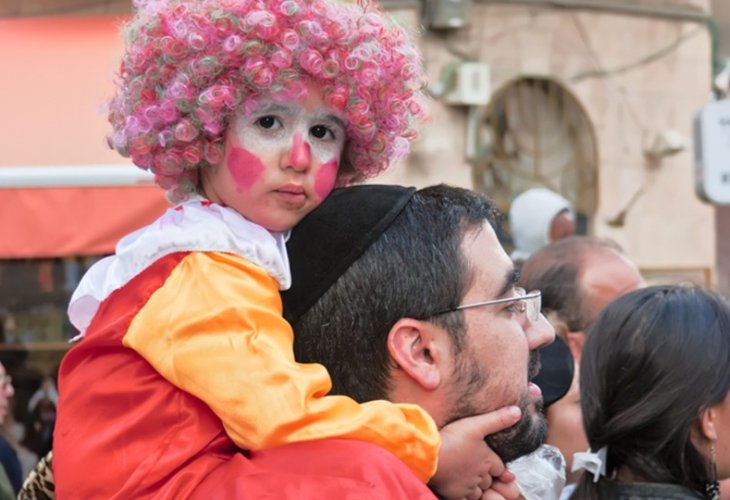 (Photo: shutterstock)
Purim is less than a month away, but for children, the holiday begins long before the actual day arrives. You can already feel the excitement in the air, the anticipation building with every song, story, and costume display. And yet, some children experience Purim very differently. They respond in their own way to all the joy and noise and celebration and refuse to wear a costume. Does that seem strange? It is far more common than you might think.
This is a well known phenomenon in psychology, and there is little benefit in denying it or trying to fight it. So why does it happen, and what can you do if your own child refuses to dress up? Here are a few helpful things to know.
Possible reasons children refuse to dress up
Losing a sense of identity
Some children are afraid they will “lose” their own personality inside a costume, even if only for a short time. These children are strongly connected to their sense of self and genuinely like who they are. For them, dressing up can trigger anxiety or feel threatening, sometimes in an extreme way, such as worrying that they will not feel like themselves anymore.
Losing the familiar
On Purim, everything around them seems to change. People look different, routines shift, and familiar behaviors disappear for the day. Some children find it difficult to handle such a sudden change. When the stable ground of their usual routine is removed, it can leave them feeling insecure and resistant to being “like everyone else.”
Sensory sensitivity
Many children refuse to dress up because of heightened sensory sensitivity. For some, the fabric of the costume feels uncomfortable against their skin. Others are especially sensitive to the increased noise, crowds, and general stimulation that surround the holiday.
So how do you handle it?
Respect your child’s wishes and avoid forcing them to dress up. Acknowledge their feelings and try not to apply pressure or signal disappointment. Remember, this is meant to be a holiday of joy.
Try appealing to their heart by suggesting small accessories instead of a full costume. A wand, crown, hat, cape, or similar item may feel manageable even if the outfit itself does not.
Consider dressing up together with your child. Sharing the experience can feel safer and may help them ease into the holiday spirit at their own pace.
Place the costume in a small bag and send it, along with accessories or face paint, to preschool or school. The special atmosphere there may influence your child, and they might choose to dress up once they feel comfortable.
Closing thoughts
Ultimately, Purim is not about costumes but about joy, belonging, and feeling safe enough to celebrate in one’s own way. When a child feels seen, respected, and unpressured, they are far more likely to connect positively to the holiday, whether this year or in the future. By honoring your child’s inner world and allowing them to experience Purim on their own terms, you are teaching them something far more meaningful than dressing up: that who they are is already enough.

