

Wonders of Creation
Your Body’s Second Brain: The Hidden Intelligence Within
What if your gut plays a bigger role in your thoughts and health than your brain alone? New research reveals the hidden intelligence living inside us.
- Yosef Yabece
- | Updated
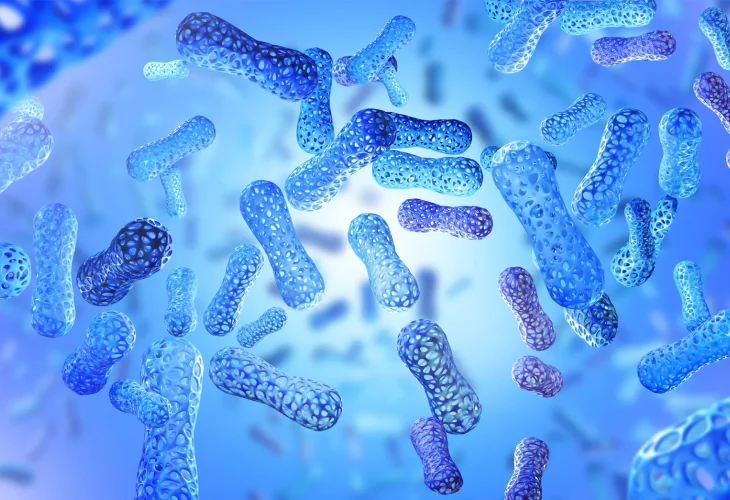
For many years, the brain was seen as the sole command center of the human body. Today, however, scientists are increasingly speaking about a “second brain” that plays a powerful role in our health, emotions, and behavior: the microbiome.
Trillions of microscopic organisms live inside us, most of them concentrated in the gut. Far from being passive passengers, these bacteria actively communicate with the body and influence how we feel and function.
The Gut as a Second Brain
Professor Eran Elinav, head of the Department of Systems Immunology at the Weizmann Institute of Science, is one of the leading researchers studying the microbiome. He explains that our digestive system responds not only to physical inputs like food, but also to emotional states, much like the brain does.
The gut contains more than 500 million nerve cells, forming a complex network that earns it the title of a “second brain.” Changes in the microbiome can affect processes throughout the body, from inflammation in a toe to immune responses and even brain function. These bacteria send chemical signals that influence the nervous system, and research has found links between the microbiome and conditions such as Alzheimer’s disease.
More Than Digestion
For decades, it has been known that beneficial bacteria live in the human body. Antibiotics, while life-saving, often wipe out helpful bacteria along with harmful ones, which is why digestive problems can follow antibiotic treatment. Probiotic foods like yogurt help replenish some of these organisms.
Recent discoveries, however, show that the microbiome does far more than assist digestion. It helps shape a wide range of physical and behavioral traits, both positive and negative.
Experiments with mice have revealed astonishing results. Because bacteria are much easier to transfer than organs, mice that receive gut bacteria from others begin to resemble their donors. A thin mouse can gain weight after receiving bacteria from an overweight mouse. Even certain behavioral traits appear to shift through microbiome transfer.
Some experimental treatments involving microbiome transfer have been attempted in humans, but conventional medicine approaches this cautiously, as the long-term effects are not yet fully understood.
Bacteria, Behavior, and Daily Life
Gut bacteria produce chemicals that are also found in psychiatric medications and hormones, adjusting their output in response to the body’s needs. These discoveries point to new possibilities for healing and regulation, though much remains to be learned.
The microbiome itself changes throughout the day. While bacteria cannot distinguish between day and night, they respond closely to human behavior. Eating patterns, sleep schedules, and daily routines all influence bacterial activity. Regular meal times and consistent sleep help the microbiome function optimally, while erratic modern lifestyles may disrupt this balance and contribute to illness.
An especially striking finding is that people who live together often share similar microbiomes. Bacteria spread through close contact, shared environments, and everyday interactions. Over time, couples or housemates may begin to resemble one another not only in habits, but even in certain physical or emotional traits.
A Wisdom We Are Still Discovering
Despite rapid advances, this field is still in its early stages. The more scientists uncover about the microbiome, the clearer it becomes how much remains unknown.
Each new discovery reveals another layer of astonishing coordination within the human body. The wisdom embedded within us is vast and intricate, pointing to a depth of design that continues to inspire awe—and reminding us how much there still is to learn.

