

Magazine
From Tragedy to Action: How One Junction Became a Place of Warmth
After her husband, Dr. Shmuel Gillis z"l, was murdered in a terror attack, Ruti Gillis turned grief into action, founding the first Warm Corner for IDF soldiers at the Gush Etzion junction.
- Moriah Luz
- | Updated
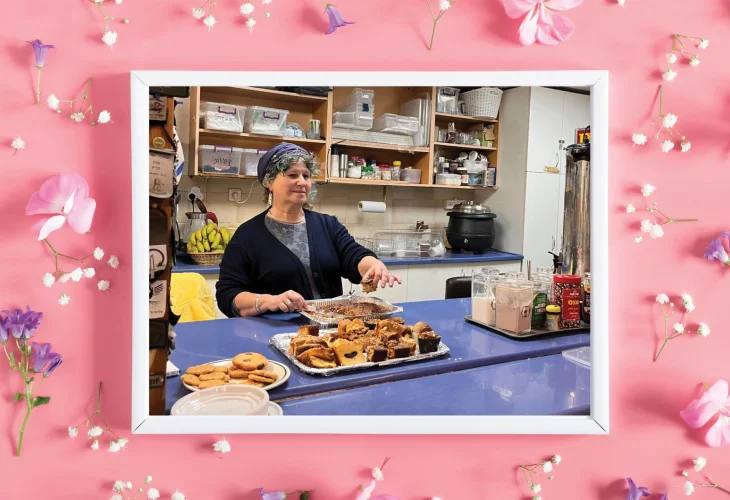 Ruti Gillis at the Warm Corner (Photo: Sarah Aguilar)
The hot falafel portions were tucked into a black bag and placed on the back seat of the car. Even after a long hospital shift, Dr. Shmuel Gillis z"l, remained sharply alert behind the wheel. At home, five children were waiting for him, along with a celebratory dinner.
At the Gush Etzion junction, about ten minutes from his home in Carmei Tzur, he pulled over and called home. His wife, Ruti, answered, happy to hear he would be there soon.
Moments later, terrorists opened fire. The promise was cut short.
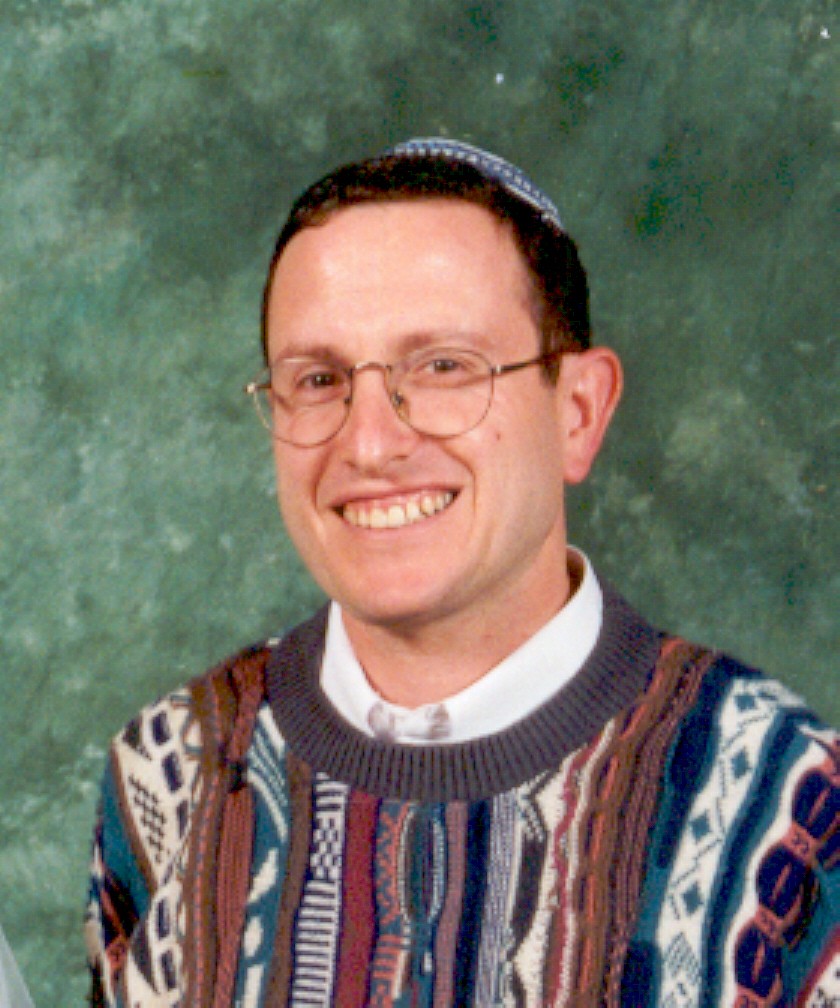 Dr. Shmuel Gillis z"l
“Call the Doctor”
By the age of sixteen, Shmuel had already decided he would become a doctor. Because he skipped a grade, he enlisted a year later in the IDF Academic Reserve and completed medical school at just twenty four.
“He was the youngest doctor in the country at the time,” Ruti says. “And he looked young too. Patients would say, ‘Call the doctor,’” she laughs. “But once he treated them, they immediately understood they were in the hands of someone serious who knew exactly what he was doing. He graduated with highest honors.”
In the army, Shmuel served as a military physician, eventually joining Sayeret Shaldag. His slight build initially raised doubts among the soldiers. “They wondered, ‘This is the doctor who will be with us?’” Ruti recounts what she later heard. Those doubts vanished the moment they saw him in action, carrying the heavy medical equipment with a smile. “They realized they could rely on him.”
As part of his service, Shmuel participated in missions beyond Israel’s borders, including covert rescue flights that brought Ethiopian Jews from Sudan to Israel.
A Home That Waited
Ruti and Shmuel married while he was still in the army, and she quickly understood that theirs would not be a conventional family life. On the first Shabbat after their wedding, Shmuel did not come home due to an emergency.
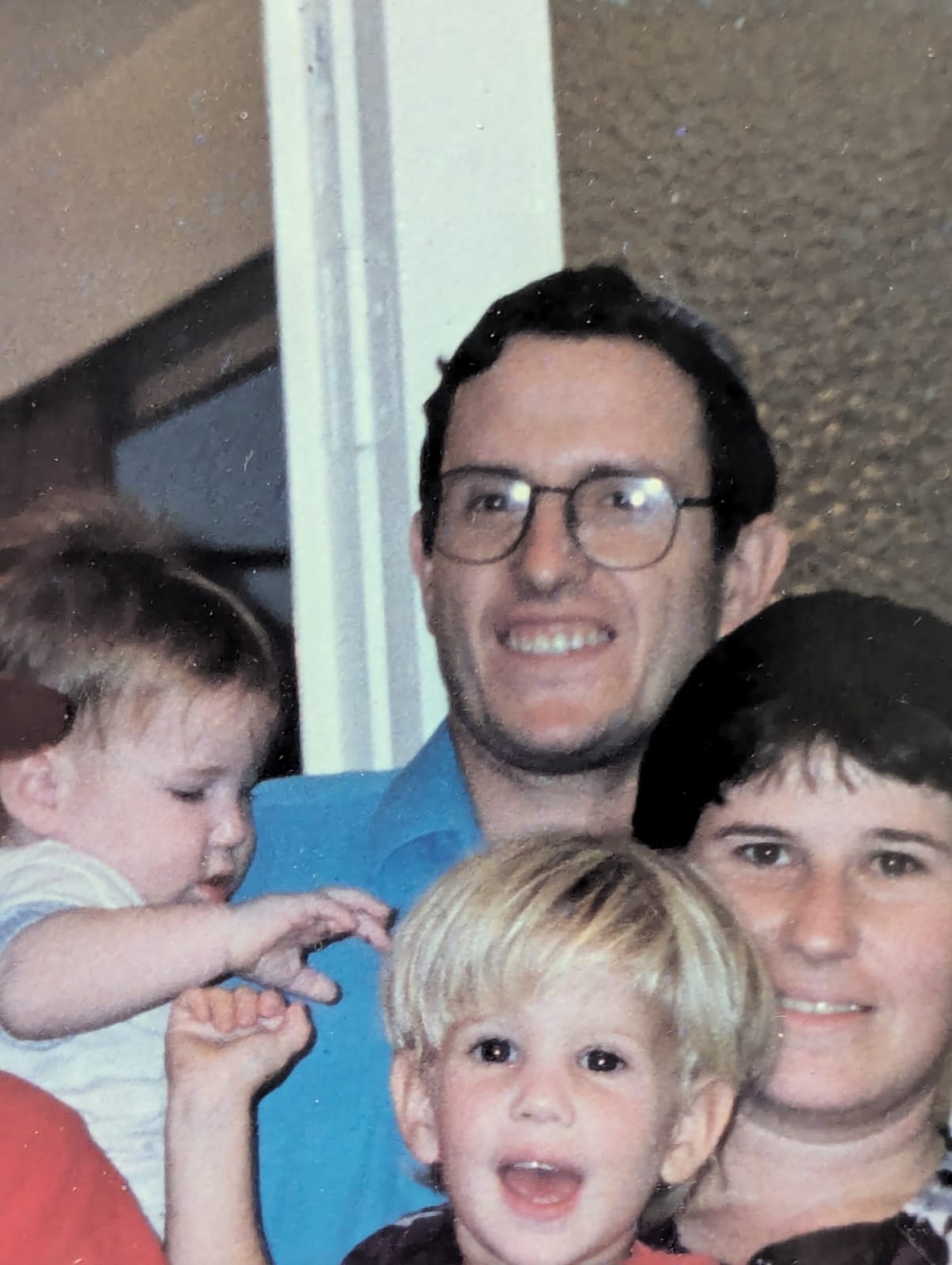 Dr Shmuel with Ruti and two of their children
Ruti raised their five children largely on her own. “It wasn’t easy. I don’t remember many evenings when Shmuel was around at bedtime or mornings during the rush. And even when he did come home, he was exhausted after long shifts. Still, he never went straight to sleep. He pushed himself to stay awake so he could be with us.”
These were the years of the Second Intifada, when terror attacks filled the news daily. Although Shmuel traveled those roads constantly, Ruti says she was not afraid.
“I didn’t worry. Shmuel projected confidence. I always say that the day I feel I cannot drive these roads is the day I no longer belong here. You cannot live in a place you believe is dangerous for you.”
“Mom, Is It Dad?”
On the evening of the attack, only minutes after she had spoken with him, Ruti heard a report about a terror incident in the area. She tried calling Shmuel, but there was no answer. He had also been on call at the hospital that night, which meant he should have had his phone with him.
“I knew he was there,” she says. “I just didn’t know whether he was treating someone or someone was treating him.”
She remained composed. When the news reported that the victim was a resident of Carmei Tzur, Ruti, a member of the local emergency team, headed toward the town office. On the way, she encountered the notification team.
“I didn’t want details. I asked only one question. Was Shmuel killed, yes or no?”
Her world collapsed.
At home, five children between the ages of three and thirteen were waiting. She took a few moments to steady herself before entering.
Her eldest came outside and asked quietly, “Mom, is it Dad?”
“I love saying yes,” Ruti says softly. “I usually say yes and figure things out later. And suddenly I had to say the hardest yes of my life.”
She told the children the truth, simply and directly. Then, she leaned close and whispered to each of them that they were going to be the happiest, most joyful home there is.
“At the time, I felt embarrassed saying that. But today, through my work in therapy, I understand it was exactly right. When tragedy strikes, there is the initial pain, and then there is secondary damage. I prevented that. The children understood that Dad was gone, but Mom was here.”
“Only Hashem Decides”
During the shiva, reserve soldiers from the area came to offer condolences. From their words, Ruti understood that there had been a lapse in protocol. They were supposed to be stationed at the site of the attack.
“They told us, ‘We were meant to be there. We weren’t.’”
Ruti considered what to do with that knowledge. “There were media crews everywhere. I could have spoken. But I chose to believe that the outcome was not the soldiers’ decision. We must do our part here below, but the final outcome belongs to Hashem.”
The murder of the beloved doctor shook the country. Visitors filled the house, including political leaders. Yet Ruti could not shake the soldiers’ words. She began thinking about how to prevent such failures in the future.
When the brigade commander arrived with the head of the regional council, Ruti made one request. Permission to place a small structure at the junction where Shmuel was murdered.
“I wanted to go there with the children, bake cakes, and speak with the soldiers.”
The Birth of the Warm Corner
At the time, the concept of a “Warm Corner” did not yet exist. There were no shops at the junction, only a bus stop and darkness.
When the shiva ended, a shipping container was placed at the site.
Still, Ruti struggled to begin. “Cake represents family, warmth, and home. When Shmuel was murdered, I was in the middle of baking a birthday cake for our eldest daughter. Afterward, the house felt empty. Baking became very hard. I forced myself to bake for Shabbat because I had promised the children joy.”
The children themselves were not eager participants. “They told me honestly that they were not going to bake cake every day,” she laughs. “They were right. They needed to live.”
The container stood unused for two months. Then Ruti gathered strength. Several families in the area had also lost loved ones. She invited them to create something together. Ossi Sasson, who lost her husband Tzachi, hy”d, joined her. Soon, a group of ten formed a steering team.
That was how the first Warm Corner was born.
Initially, the plan was to open for three hours a day. The overwhelming volunteer response quickly turned it into a full day operation.
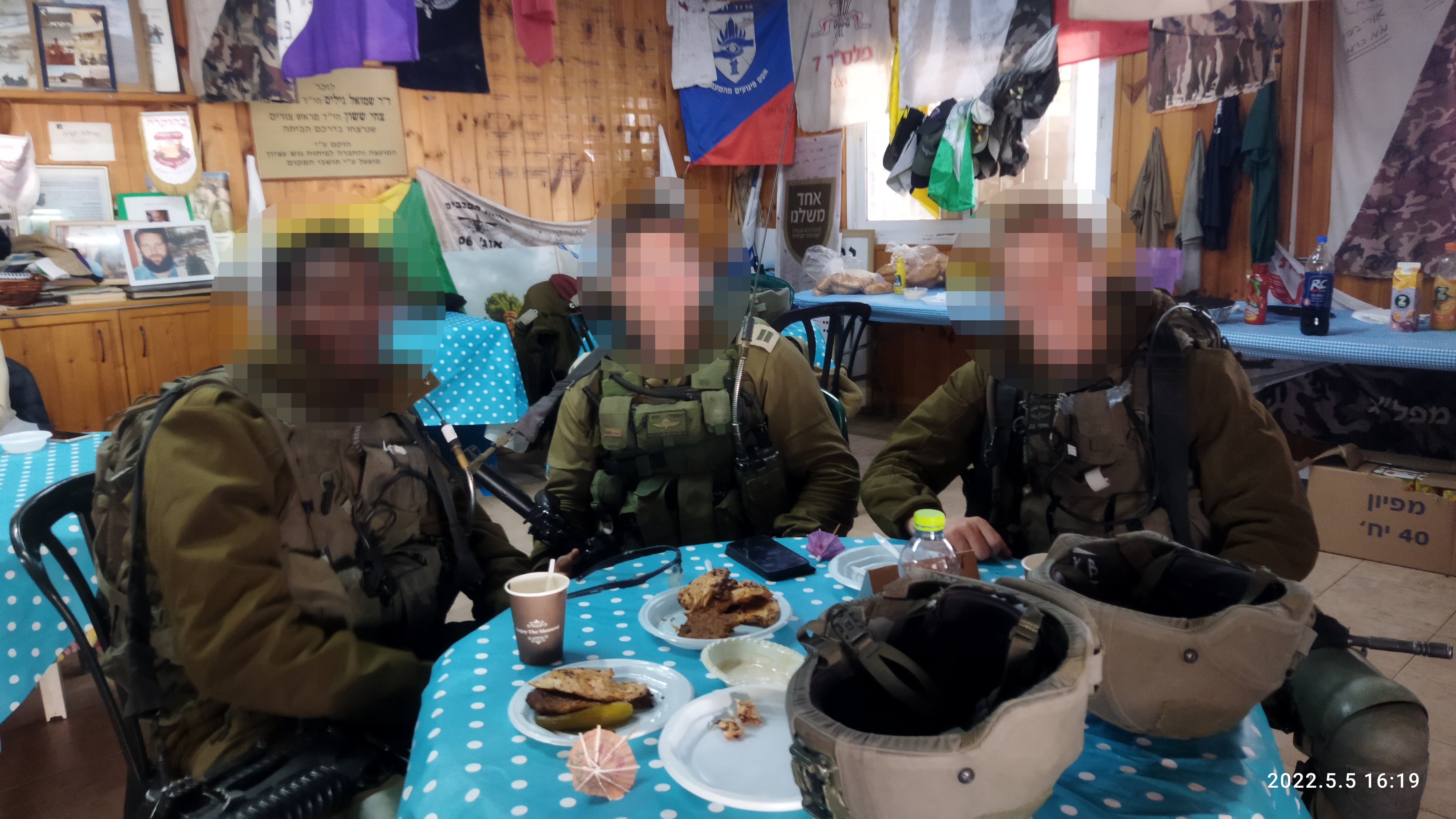 Soldiers at the Warm Corner
“You Have to Keep Moving Forward”
The project grew steadily. Volunteer lists were created for staffing and baking. Even today, decades later, volunteers still arrive, unload boxes, and announce, “Today is our day.”
There are now one hundred seventy volunteers, working in rotating shifts. Local businesses and families celebrating milestones provide food and supplies.
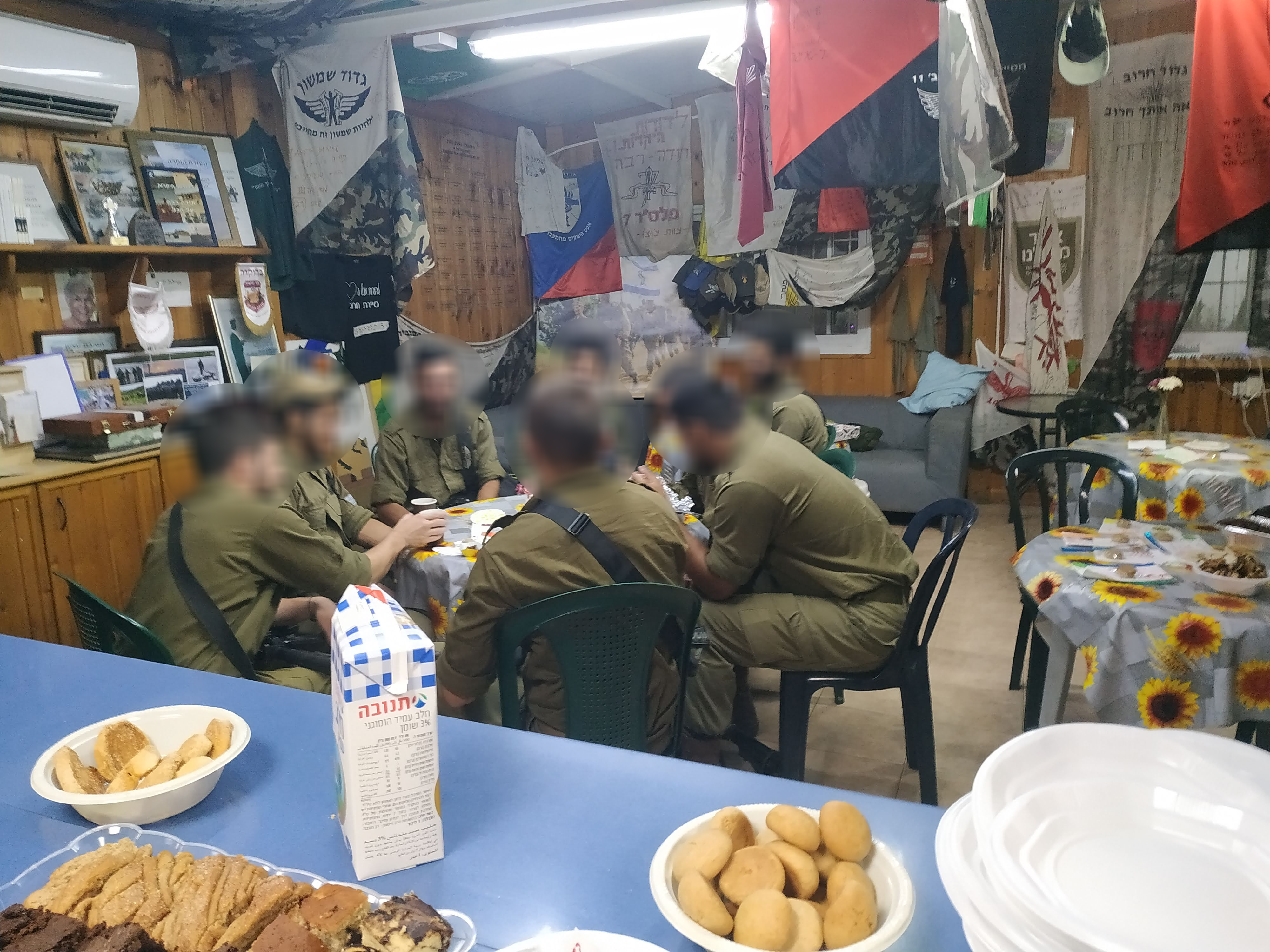 Soldiers at the Warm Corner
The container grew into a complex. “The Corner must keep progressing,” Ruti says. “We renovate, expand, and improve. Just last week, we marked twenty five years of activity.”
During the anniversary, senior officers who had served in the area participated in a panel discussion.
“That was the moment I realized this has become a model for the relationship between civilians and the army. The togetherness is extraordinary. The Warm Corner is far more than what it appears to be.”
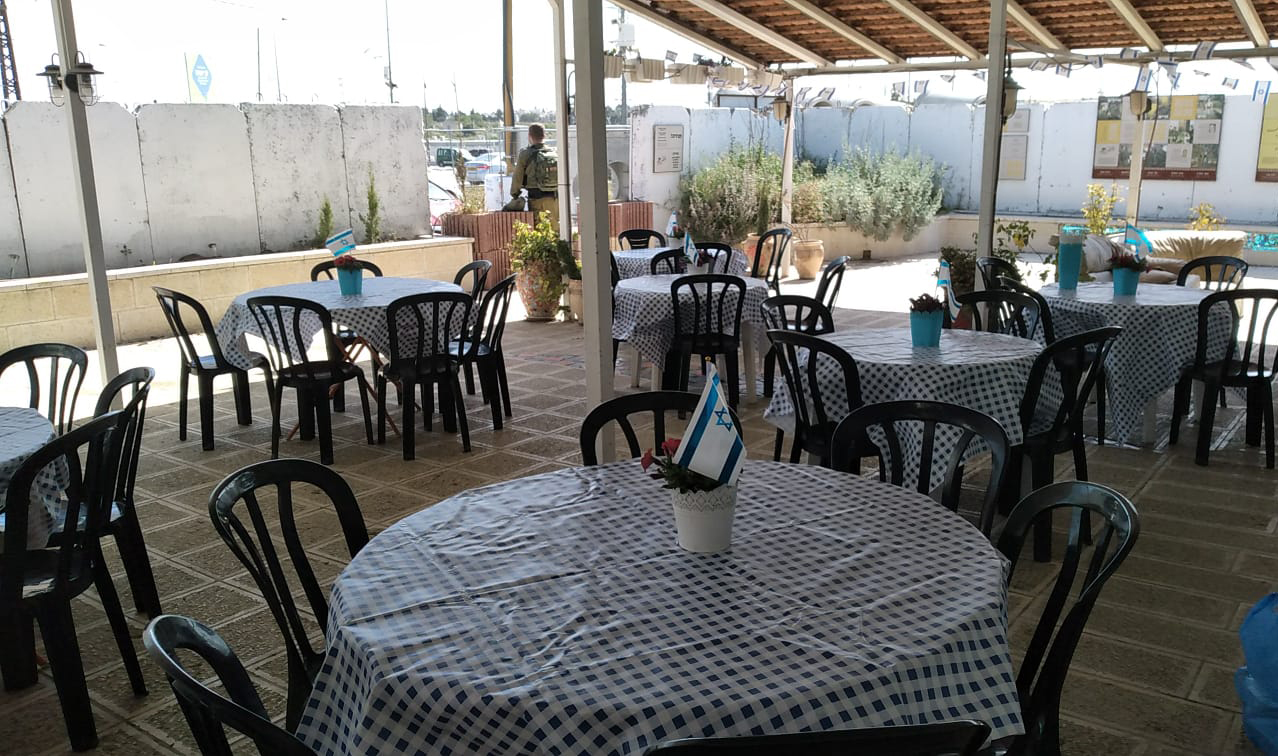 The outside space of the Warm Corner
What Would Shmuel Say?
“I think about that often,” Ruti admits. “He would probably laugh and say, ‘My wife even memorialized me with coffee.’ I’m a coffee person, and he always teased me about it.”
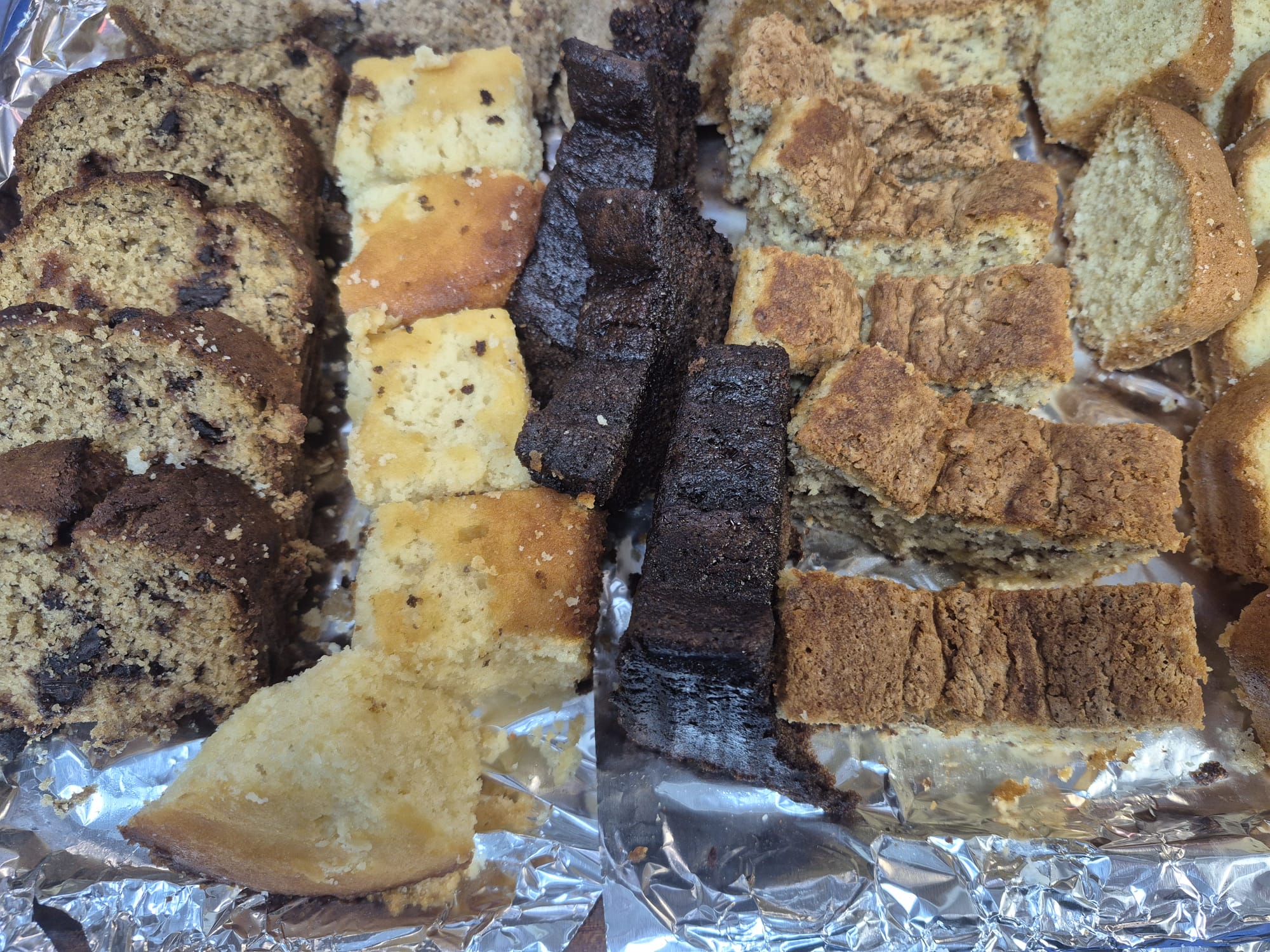 Homemade cake prepared for soldiers at the Warm Corner
She grows serious. “Giving to soldiers was part of who he was. Even when he was alive, we gave out soup and tea. Shmuel always looked out for them. I believe he would truly appreciate what grew from this, especially the persistence and devotion of the people who keep it going.”

