

Magazine
Journalist Menachem Horowitz Opens Up About Raising His Autistic Son
After years of silence, the Israeli news reporter and his family share their emotional journey of unconditional love, daily challenges, and the reality of caring for a child with special needs in times of crisis
- Yitzchak Eitan
- | Updated
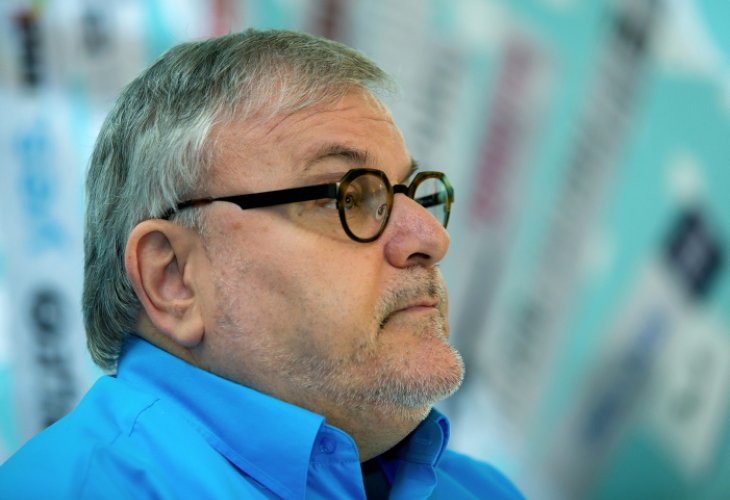 (Photo: Moshe Shai / Flash 90)
Journalist Menachem Horowitz has worked for the news for 30 years, yet many of his acquaintances have known nothing about his son Chagai, who is a low functioning autistic child. Following the war, Horowitz and his wife Tchiya decided for the first time to share their personal story, speaking openly about the challenges they face and about a love that is unconditional.
Early Signs and Difficult Realizations
“Chagai was born a typical child, and since he was our third, we quickly realized something was different. Lack of eye contact, fear of strangers, and endless crying at night. It was clear that something was not the same,” the couple told Channel 12 News. “Each of us experienced it differently. I remember that it was very painful for Menachem to realize that Chagai might never go up to the Torah for a bar mitzvah.” Horowitz added that some people called them “lazy,” but Tchiya responded, “When you have an autistic child at home, you cannot be lazy.”
Their other children, Itamar and Noga, shared their perspective: “Our parents did everything to make sure it did not affect us. In the end, we really grew up in a normal home. When I was younger and friends came over for the first time, I sometimes had to explain. Over the years, it just became part of the house.” Noga added, “For me it took time. The first thing I wanted to tell anyone who came home was, ‘Just so you know, I have an autistic brother,’ in case he suddenly came out of the room or became upset.”
Menachem also spoke about the emotional difficulty of raising Chagai: “This child suffers, and you do not understand what hurts him. Every six months we take him to the hospital in Safed. Maybe his teeth hurt, maybe his stomach hurts. It is a feeling of helplessness. I want to help him but I cannot.” Tchiya said, “It is a full time responsibility. Our lives, from the moment we wake up until we go to sleep, revolve around Chagai.”
Love Without Conditions
“I was never ashamed of Chagai,” Menachem added. “I was always worried about him, but I told the family: you have a son, a brother, an uncle who is autistic, and we all have to deal with it together. I believe he loves us and is very happy that we are his parents. Do I love him? Yes. But my heart breaks when I see the suffering he goes through.” Tchiya added, “Our love for Chagai is a love filled with concern, always needing to know that he is okay. I think about him constantly during the day, because there is no one else who will take care of him.”
Daily Life During Wartime
“I sit here working, and one ear is always listening for him,” Menachem said during the interview from his study, located next to his son’s room. “There were days when sirens sounded or there were fears of terrorist infiltration while Chagai was sleeping here. I always knew there were only ten seconds. Should I wake him up or run to the shelter? I knew there was no chance he would get out of bed. That is the reality of our lives alongside his.” Tchiya added, “It is a very difficult dilemma that I would not wish on anyone.”
Looking Toward the Future
Regarding the future, Itamar, the eldest son, said, “I think it is clear to Noga and me that we will take full responsibility and try to give him the best life we can. I do not know if we will succeed the way our parents have, but we will do everything possible. That is our role.” Menachem concluded the interview by saying, “These are not only our questions. Many parents of children with special needs are asking themselves what the chances are that this country will take care of them. It is not on anyone’s agenda, and that is why we chose to speak.”

