

Purim
The Half-Shekel Tradition: What It Is, When to Give, and How Much
Your guide to the pre-Purim custom: who gives, how much to give, when to give it, and why it matters.
- Yonatan HaLevi
- | Updated
 (Photo: Shutterstock)
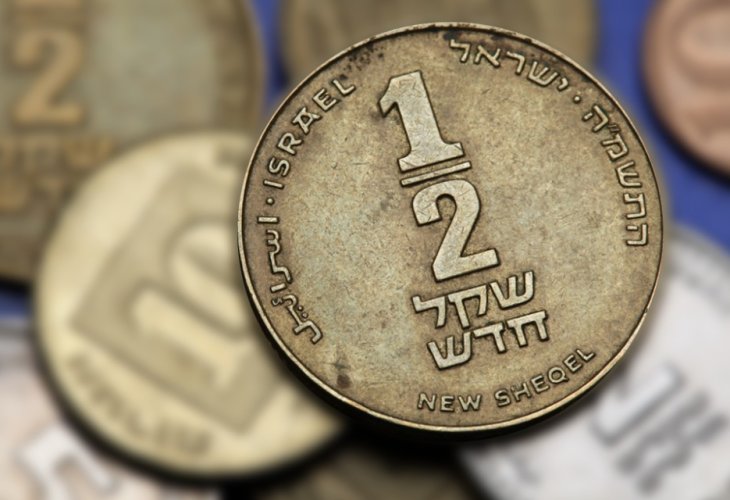
When the Beit HaMikdash stood, giving the half shekel was a Torah commandment. Today, while the Temple has not yet been rebuilt, the practice continues as a meaningful custom known as zekher l’machatzit ha’shekel. Many people observe it around Purim time, often giving the amount before the Mincha prayer on Ta’anit Esther, ahead of the Megillah reading.
About this custom, the kabbalist Rabbi Chaim Palagi wrote with striking words of encouragement. He taught that one who gives the half shekel merits great blessing: protection from harm, annulment of harsh decrees, freedom from financial loss that year, and long life with children. His words reflect how deeply rooted and spiritually powerful this custom is in Jewish tradition.
The Original Purpose: A Shared Community Offering
During the time of the Mishkan and later the Beit HaMikdash, every Jew gave a half shekel once a year. These funds were used to purchase communal offerings that atoned for the entire nation. Rich and poor gave the same amount, emphasizing that all stood equally before Hashem.
The Torah describes this mitzvah in Parashat Ki Tisa:
“This is what they shall give: a half shekel by the sanctuary shekel… a half shekel as an offering to Hashem” (Exodus 30:13).
When the Collection Was Announced and Given
Each year, the announcement to give the half shekel was made on the first of Adar. While the common custom today is to give close to Purim, especially on Ta’anit Esther, it may be given at any point during the month of Adar, as long as it is before Purim.
Our Sages also taught that this practice in Adar symbolically countered the silver Haman offered King Ahasuerus to destroy the Jewish people.
Today: A Custom, Not a Commandment
Without the Beit HaMikdash, giving the half shekel is no longer a formal mitzvah, but a cherished custom that recalls the original obligation.
When giving, it is important to say explicitly that the money is given as zekher l’machatzit ha’shekel, a remembrance of the half shekel. This ensures the funds are not treated as consecrated Temple money.
Who Should Give?
Originally, the obligation applied to men, with discussion among the Sages whether it began at age twenty or thirteen.
Later authorities note that although women were technically exempt, the custom developed for women to give as well, since the donation brings spiritual atonement. Many also give on behalf of children, even very young ones. This is not an obligation, but a widely accepted and meaningful practice.
Where the Money Goes Today
In our time, the funds are given as tzedakah to those in need rather than to a Temple treasury. Ideally, this money should not come from one’s regular charity tithe funds, since it is connected to a specific religious practice.
How Much Should Be Given?
The Rambam explains that when the Temple stood, the amount equaled the value of two silver dinars, together weighing about nine grams of pure silver. Based on current silver prices, Rabbi Yitzhak Yosef has ruled in recent years that the amount comes out to approximately 28 shekels per person, though the exact sum may vary slightly from year to year depending on the price of silver.
Families facing financial difficulty may give a smaller amount, such as half a shekel per person, especially when giving on behalf of multiple family members.
Who Should Receive the Funds?
Rabbi Chaim Palagi writes that it is best to give these funds to poor Torah scholars. Citing earlier teachings, he notes that supporting those who devote themselves to Torah study carries special merit, and that one who supports a Torah scholar is rewarded with a place among the righteous.
May we merit to soon see the rebuilding of the Beit HaMikdash, with the Kohanim and Leviim restored to their service, and to once again fulfill the mitzvah of the half shekel in its full and proper form.

