

Passover
Surprising Insights Into the Plagues, the Red Sea, and Pharaoh’s Fate
Explore fascinating Midrashic teachings that reveal hidden details about the Exodus from Egypt, from the true nature of the plagues to the gradual splitting of the sea and the mysterious survival of Pharaoh
- Debbie Reichman
- | Updated
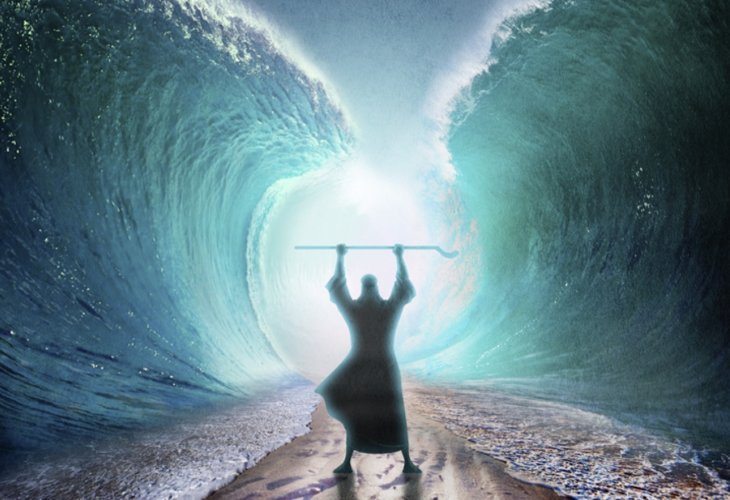 (Photo: Shutterstock)
Many of us know the story of the Exodus from Egypt, and some of us continue learning over the years. When you delve into the many explanations, you can discover truly surprising insights. We have gathered several lesser known Midrashim for you, featuring fascinating and unexpected details about the Exodus from Egypt.
The Plague of the “Crocodile”
Many of us have imagined Egypt covered with green, croaking amphibians in the plague of the frogs. You may be surprised to learn however that some early commentators held different views about the creature that flooded Egypt. Rabbeinu Bachya, for example, suggests that the original “frog” mentioned in the Torah was actually a crocodile.
How Did the Egyptian Firstborn Die?
According to the commentary of the Rokeach on the Torah, on the night of the plague of the firstborn God sent thunder and lightning over Egypt. From the overwhelming sound of the thunder, the Egyptian firstborn died and only they were affected.
A Night Filled with Light
The holy Zohar teaches that on that night God illuminated Egypt with a daylight like brightness so that both the Israelites and the Egyptians could clearly witness the miracle. As it says in Psalms 139, “The night shines like the day.”
A Father Comes to See
The Exodus was undoubtedly a defining moment in Jewish history. According to the Zohar, God raised our forefather Yaakov from his grave during the Exodus so that he could witness the redemption of his children. The Zohar interprets the verse, “Israel saw the great hand that God performed against Egypt,” as referring to Yaakov, whose additional name was Israel.
A Gradual Splitting
How do you imagine the splitting of the Red Sea? A vast sea suddenly divided into two at once? Not necessarily. According to Rabbeinu Bachya, the sea did not split all at once. Rather, only part of it opened, and as the Israelites advanced through the dry land, the sea continued to split before them, as if fleeing. This is reflected in David HaMelech’s words in Tehillim, “The sea saw and fled.”
What Did the Israelites Eat in the Desert?
It is well known that during the Exodus the Israelites’ dough did not have time to rise, so they ate matzah instead of bread. Did they continue eating matzah in the wilderness? In fact, in the desert they ate manna that descended from heaven, and for a certain period they also ate quail. According to Tosafot in Tractate Kiddushin and Ibn Ezra, they did not eat matzah and they did not eat ordinary bread either.
One Egyptian Remained
As is known, the Egyptians who chased the Israelites into the Red Sea drowned there. All of them except one: Pharaoh himself. Pirkei DeRabbi Eliezer teaches that Pharaoh did not die in the sea. After the Exodus he went elsewhere and became the king of Nineveh.

