

Passover
The Complete Guide to Matzah and Chametz on Pesach: Laws, Meanings, and Practical Halacha
When the mitzvah of eating matzah applies, what defines chametz, the difference between handmade and machine matzah, and the essential halachic guidelines for Pesach preparation and observance
- Rabbi Zamir Cohen
- | Updated
We were commanded in the Torah: “On the first day, on the fourteenth day of the month in the evening, you shall eat matzah until the twenty first day of the month in the evening. For seven days no leaven shall be found in your homes, for whoever eats anything leavened, that soul shall be cut off from the congregation of Israel” (Shemot 12:18–19).
From here we learn that throughout all seven days of Pesach we are forbidden to eat chametz. However, the mitzvah of eating matzah is specifically on the night of the Seder. On the remaining days of the festival, eating matzah is optional. One may choose to eat matzah or other foods, provided that they contain no chametz (Pesachim 120a). Therefore, the blessing of “al achilat matzah” is recited only on the night of the Seder and not during the rest of the holiday. Nevertheless, there is still some element of mitzvah in eating matzah during the other days of Pesach.
What Is Chametz?
Chametz refers to one of the five grains, wheat, barley, rye, spelt, and oats, that comes into contact with water and remains for eighteen minutes, causing it to ferment and become forbidden on Pesach. Sometimes it can become chametz even earlier, such as when these grains come into contact with hot water or substances that accelerate fermentation.
The Requirements of Matzah for the Seder Night
The matzah used to fulfill the obligation on the night of the Seder must be made from these five grains before they become leavened, and it must be guarded from the time of harvest. This means that the wheat and flour are carefully protected from contact with water from the moment of harvesting. If one cannot obtain matzah that was guarded from harvest, one may still fulfill the obligation with regular matzah. During the rest of the festival there is no requirement to eat only guarded matzah, although some have the custom to do so throughout Pesach, and it is a beautiful practice.
Handmade and Machine Made Matzah
The matzah used for the mitzvah on the Seder night must be prepared by a Jew who has reached the age of mitzvot, with the intention that it be made for the sake of the mitzvah of matzah. Since some authorities hold that machine made matzah may not fully achieve this intention, one should try to use handmade matzah with reliable supervision for fulfilling the mitzvah at the Seder. In pressing circumstances, one may fulfill the obligation even with machine made matzah. For the rest of the holiday, or for matzah eaten during the Seder meal that is not for fulfilling the mitzvah itself, machine made matzah may be eaten without concern.
The Shape of the Matzah
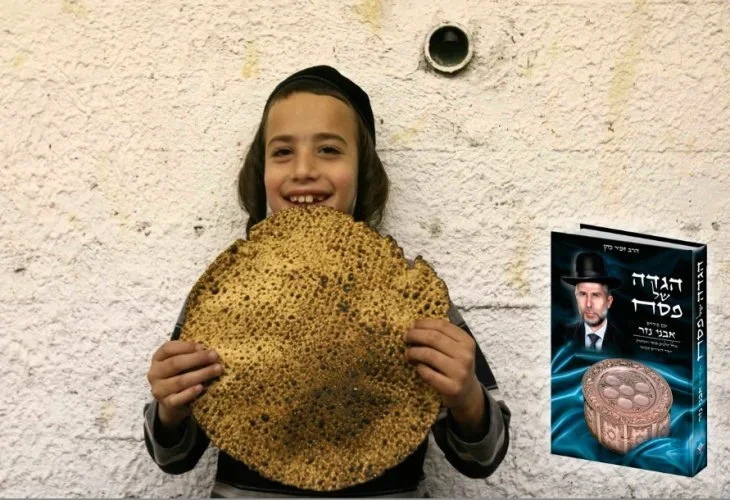
Handmade matzot are generally round due to the nature of their preparation. Some explain symbolically that since matzah is called the bread of poverty, its round shape reminds us that the cycle of life turns. A poor person should not despair, as wealth may yet come, and a wealthy person should not become arrogant, as circumstances may change. Nevertheless, one fulfills the mitzvah equally with square matzah, and its shape is not essential.
The Preferred Time for Baking Matzah
It is preferable to fulfill the mitzvah of eating matzah on the Seder night with matzot baked after midday on the fourteenth of Nisan. This is because the Pesach offering was slaughtered and roasted after midday, and the Torah links the eating of matzah with the offering. If the fourteenth of Nisan falls on Shabbat, the matzot are baked on Friday after midday. Still, one fulfills the obligation even with matzot baked earlier.
The Custom of Not Soaking Matzah
Some have the custom to be stringent during all the days of Pesach not to soak matzah in water or soup, out of concern that a trace of flour may remain and could become chametz when it contacts water. Sephardic communities generally do not follow this stringency, in accordance with the ruling of the Shulchan Aruch.

