

Passover
Pesach Explained: Matzah, the Four Sons, the Afikoman, and the Purpose of the Seder
Discover the deeper message behind Pesach beyond cleaning and preparation, including the symbolism of matzah, the inner meaning of the four sons, and why the afikoman is central to passing the Exodus story to the next generation
- Dudu Cohen
- | Updated
In recent years, we have somewhat forgotten the essence of the holiday of Pesach, and we often find ourselves preoccupied mainly with cleaning, scrubbing, and airing out the house. Of course, these are important, as long as we do not forget the true purpose of the festival.
The essence of Pesach has many dimensions, which we will touch on only briefly. At its core, we must remember the suffering our people experienced in Egypt, just as we remember the tragedies of later generations. Beyond the familiar stories of babies cast into the Nile and the splitting of the sea, a deeper look at the narrative reveals astonishing details about the harsh oppression and the profound miracles that took place.
Ultimately, in the year 2448 from Creation, on the fifteenth of Nisan, the Children of Israel left Egypt. We are told to remember both the miracles that occurred and the fear and hardship endured by our ancestors. The Seder night is centered on “And you shall tell your child” meaning the transmission of the story to the next generation. Many unique customs exist specifically so that children will ask “Why is this night different?” allowing curiosity to arise naturally. That is the essence of the holiday. The dust on the window tracks in the bedroom, by comparison, is far less central.
What Is the Story with Matzah?
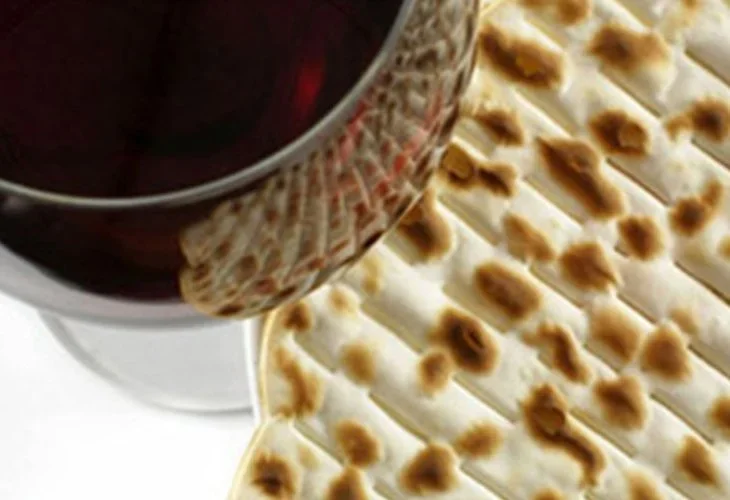
We were taught that the dough of the Israelites did not have time to rise when they left Egypt, which is why we eat matzah as a reminder of the hurried departure. This is true, but it is not the only reason, as we were commanded to eat matzah even before the Exodus itself.
Matzah represents an ideal and a message. It is bread without air, without inflation or fermentation. While during the rest of the year we eat bread that is puffed up and seemingly elevated, matzah symbolizes humility, truth, and simplicity. Pesach therefore becomes a time for self reflection. Just as we clean away physical dust, it is a time to remove the dust of pride, to lower the swelling of ego and reconnect with our authentic inner simplicity, like the matzah itself.
What Do the Four Sons Represent?
The four sons appear to represent different reactions to the Haggadah. The wise child asks sincerely, seeking understanding. The wicked child distances himself, saying “What is this service to you?” The simple child is not foolish, only straightforward and curious, wanting to know what all the effort is about. The one who does not know how to ask may be innocent or indifferent, and therefore we are instructed to open the conversation for him.
If we look inward, we discover that all four sons live within each of us. There is a part that seeks wisdom and growth, a part that feels resistant or disconnected, a part that is simple and unsure, and a part that does not even know what questions to ask. The Haggadah is not only speaking about children around the table, but about the inner dialogue within every person.
What Is the Deal with the Afikoman?
In some families, adults hide the afikoman for children to find. In others, children “steal” it and negotiate its return in exchange for a gift.
The word afikoman comes from Greek, meaning “bring out dessert.” It signals the end of the meal and serves as the final taste, commemorating the Pesach offering eaten in Temple times. After eating the afikoman, nothing else is eaten so that the flavor of the mitzvah remains. The games surrounding the afikoman are not a halachic requirement but rather a custom designed to keep children engaged and awake until the end of the Seder, and it clearly works.

