

Passover
Why Do We Eat Matzah? The Deeper Meaning of the Exodus and Redemption
A powerful exploration of why the Israelites left Egypt in haste, what it teaches about future redemption, and how the message of matzah challenges us to live with real readiness for the coming of Mashiach
- Hidabroot
- | Updated
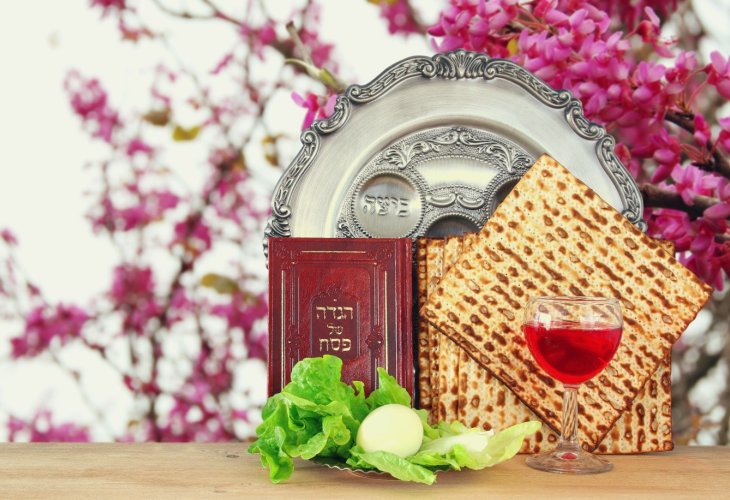 (Photo: Shutterstock)
Why did our ancestors leave Egypt with such urgency, seemingly unprepared, without even basic provisions for the journey? The ten plagues unfolded over an entire year. During that time the Israelites were no longer enslaved. They witnessed miracles and wonders and heard God’s promise, “I have surely remembered you.” They knew Moshe had been sent to redeem them, and they could see Egyptian morale steadily weakening. Why were their bags not already packed? Surely there had been enough time to prepare for departure. Even if bread could not last long in an age without refrigeration, could they not have baked fresh bread on the eve of Pesach, when the commandment of the Paschal offering had already been given and the scent of redemption filled the air?
A Lesson About Future Redemption
Our sages teach that the Exodus from Egypt serves as a model for the future redemption. The prophet Micha alludes to this when he says, “As in the days of your exodus from the land of Egypt, I will show you wonders.” Do we believe that we live in the generation just before redemption? Most people would answer yes. Many feel that we are living at the end of exile, very close to the coming of Mashiach. We quote Rashi’s words that when the Land of Israel yields abundant fruit, the end is near. We read the signs described by the sages about the generation before redemption and find them strangely familiar. Arrogance increases. Prices rise. Truth seems to disappear. The face of the generation resembles that of a dog. And so we sigh and repeat the conclusion of the Mishnah in Sotah: upon whom can we rely? Only on our Father in Heaven.
All of this sounds inspiring. But how many of us truly live as if redemption could happen at any moment? Who among us has a special garment set aside for the coming of Mashiach? Who has packed a suitcase for an immediate journey to Jerusalem? Who is preparing offerings or saving money to live near the rebuilt Temple?
These ideas feel distant from our daily lives. It is said that the Chafetz Chaim kept a special garment ready for the arrival of Mashiach. Other great figures lived constantly with the conviction that he could come any day. For them, redemption was not theoretical. It was real and imminent. We, however, despite seeing many signs unfold before our eyes, would still be surprised if Mashiach arrived tomorrow.
The Experience of Our Ancestors
This was also the experience of our ancestors in Egypt. The Nile turned to blood and their Egyptian neighbors were forced to buy water from them. Frogs and lice filled the land but did not harm the Israelites. Wild beasts and pestilence devastated Egypt while Jewish homes remained untouched. Boils afflicted the Egyptians but spared the Israelites. Hail destroyed crops and livestock yet passed over Jewish dwellings. Locusts consumed Egypt’s harvest while leaving Jewish produce intact. During the plague of darkness, Egyptians were immobilized while the Israelites moved freely and even discovered hidden treasures. The plagues were not a sudden overwhelming storm but unfolded over twelve months. In light of all this, one might wonder why the Israelites were still unprepared when redemption finally arrived on the night of Pesach.
And perhaps that question leads us back to ourselves. We too live through a long process that many see as part of redemption. But are we truly ready for the moment when the great shofar will sound and the world will announce the rebuilding of the Temple? Are we any more prepared than our ancestors were?
Sadly, the answer is no.
Redemption Arrives Suddenly
The sages compare the process of redemption to the first light of dawn, gradually growing stronger. Yet the final moment comes suddenly. As the prophet Malachi says, “Suddenly the Master whom you seek will come to His Temple.” No matter how much we analyze the signs of redemption, we too may find ourselves surprised, leaving in haste just as our ancestors did, without provisions prepared in advance.
The laws of the new grain connected to Pesach highlight this same idea. According to the Torah, when there is no Temple one may eat the new grain from the morning of the sixteenth of Nissan, and when the Temple stands only after the offering of the Omer. Yet Rabban Yochanan ben Zakkai ruled that even without the Temple, the new grain should not be eaten until the evening of that day. Why? Because he feared that the Temple might suddenly descend from Heaven during the night, and time would be needed to prepare the offering. To avoid eating prematurely, he established a safeguard for all generations.
A Message for Our Time
Just as our ancestors had only moments to prepare and no time to wait for their dough to rise, so too the complete redemption may arrive unexpectedly. We may find ourselves rushing into a new reality, surprised yet called forward toward a transformed world.
May we merit to witness that moment soon.

