

Shabbat
9 Shabbat Essentials Every Jew Should Know
Think you’re truly honoring Shabbat? These nine practical rulings from Yalkut Yosef will refine your Friday preparation, elevate your meals, and sharpen your mindset.
- Yonatan HaLevi
- | Updated
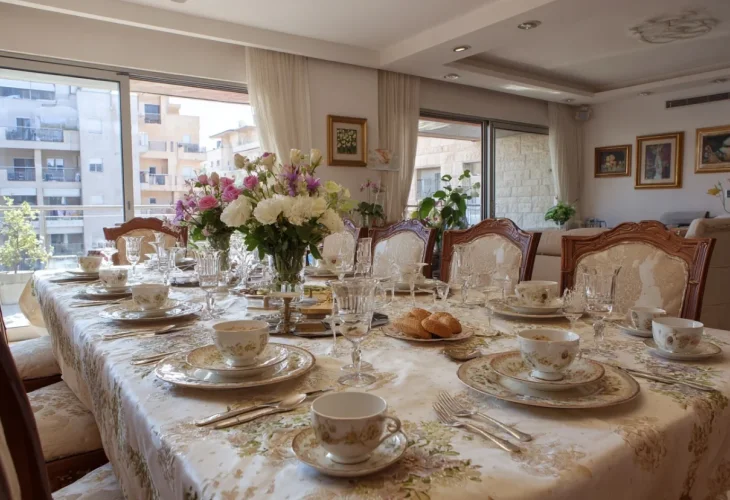
Friday afternoon. The house is already sparkling and bright. The candles are prepared, the aroma of the dishes fills the air, and the Shabbat Queen is almost at the door. The white tablecloth, dignified clothing, Shabbat songs, a beautifully set table, and carefully prepared dishes all express deep honor for the holy Shabbat.
Here are nine halachot about honoring Shabbat from Yalkut Yosef, Siman Reish Mem Bet.
1. The Reward for Delighting in Shabbat
The prophet Isaiah says, “And call Shabbat a delight” (Isaiah 58:13). The Gemara (Shabbat 118) teaches that Rabbi Yochanan said in the name of Rabbi Yose: “Whoever delights in Shabbat is given a boundless inheritance,” as it is written, “Then you shall delight in Hashem, and I will set you upon the heights of the land, and I will feed you with the heritage of Jacob your father.”
Rav Nachman bar Yitzchak adds that such a person is rescued from subjugation in exile. Rav Yehuda says in the name of Rav that one who delights in Shabbat is granted the desires of his heart. Therefore, a person should motivate himself to honor and delight in Shabbat.
2. Oneg Shabbat as a Mitzvah
Some authorities maintain that the mitzvah of oneg Shabbat is fundamentally from the Torah, since Shabbat is included among the mikra’ei kodesh, as it says, “On the seventh day, a Sabbath of complete rest, a holy convocation.” The Sifra explains that this includes sanctifying and honoring it with clean clothing and delighting in it through eating and drinking. According to this view, one should intend to fulfill a Torah commandment when enjoying Shabbat.
Others hold that oneg Shabbat is rabbinic, based on the words of the Prophets. In any case, our Sages strongly emphasized this mitzvah, and one should consciously intend to fulfill it.
3. Tasty Foods and Proper Meals
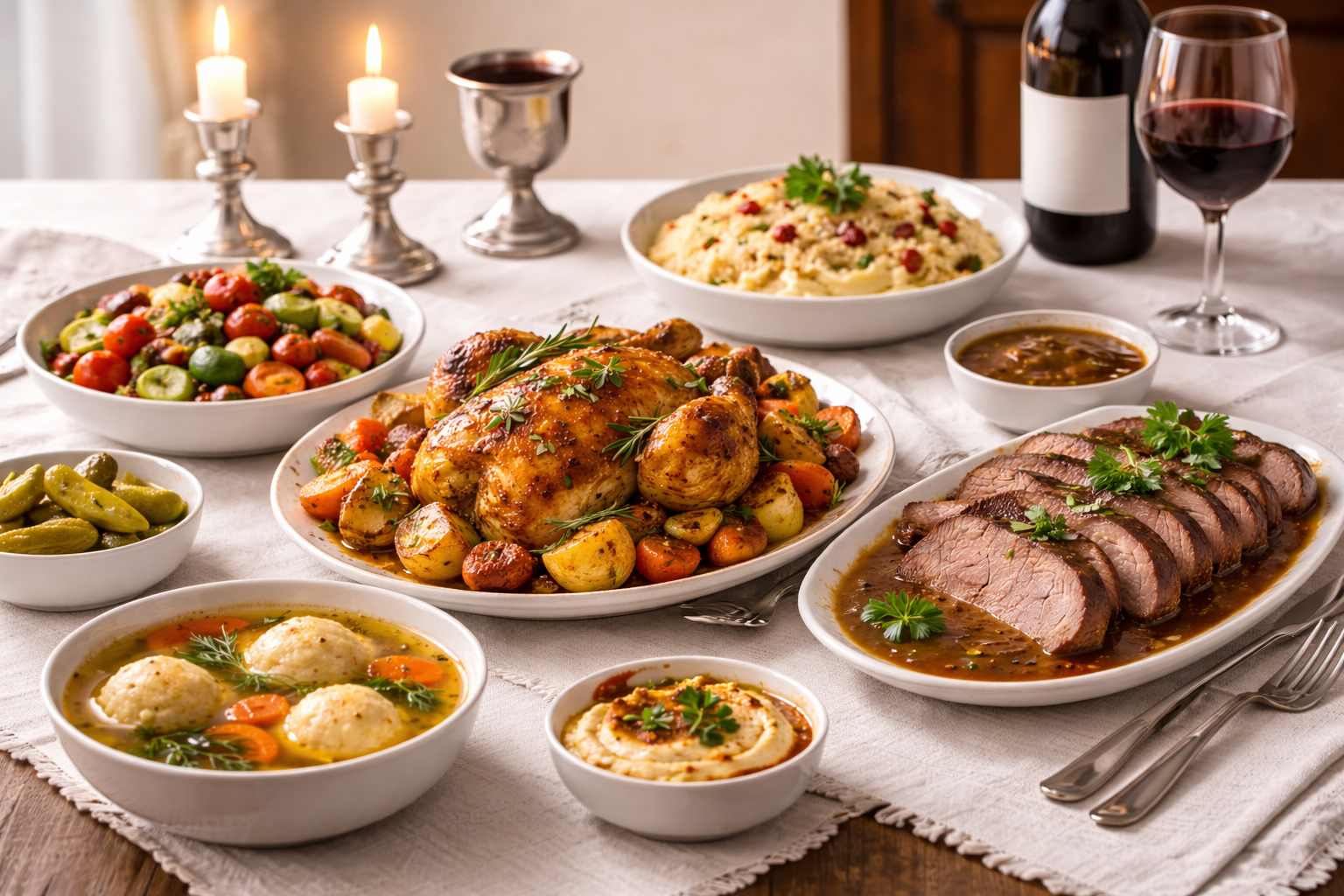
Although there is no strict obligation to eat meat on Shabbat, since there is no formal mitzvah of simchah as on festivals, it is good and proper to serve meat if one can afford it. A person should increase in meat, wine, and cooked dishes according to his means. In every place, people should delight in foods and drinks they consider pleasurable. One who cannot afford meat should honor Shabbat as best as he can.
One should eat at least two meals on Shabbat. It is proper to limit weekday expenses in order to provide for Shabbat meals and not rely on others. If a person lacks the means even for two meals, he should take from charity and request food for all three meals.
4. The Importance of Eating Fish
It is proper to eat fish on Shabbat. Ideally, one should eat fish at every Shabbat meal, and at least at the first and third meals. One who does not enjoy fish need not force himself, since Shabbat was given for pleasure, not discomfort.
After eating fish and before eating meat, one should wash his hands, wipe his mouth with bread, and rinse his mouth with a drink. If possible, it is proper to drink something between fish and meat. The same applies to poultry. One may wipe the mouth before rinsing or vice versa. If one ate fish with a fork and did not touch it with his hands, there are opinions permitting him not to wash his hands, since they remain clean.
5. Do Not Forgo Oneg Shabbat
If one does not have cash to purchase Shabbat necessities, he should borrow money, even with interest in a permitted manner, so as not to forgo the mitzvah of oneg Shabbat. Hashem will help him repay the debt. Some authorities permit borrowing with rabbinic interest for Shabbat and Yom Tov meals even without a heter iska. Ideally, the loan document should specify that everything is done according to a heter iska, but one who is lenient has opinions on which to rely.
6. Washing and Changing Clothing
Every Jew is obligated in kavod and oneg Shabbat. Kavod Shabbat refers to preparations made before Shabbat, such as washing one’s face, hands, and feet in hot water on Friday afternoon and changing into fine clothing so that Shabbat attire differs from weekday clothing. Oneg Shabbat refers to activities on Shabbat itself, such as eating and drinking.

7. Preparing the Home
It is proper to honor Shabbat and Yom Tov by cleaning the home, sweeping, and preparing the surroundings. A tablecloth should be spread on the dining table from the beginning of Shabbat until after havdalah. It is fitting to place clean tablecloths on all tables in the home and in the synagogue.
8. Keeping Friday Free for Shabbat
From the enactment of Ezra the Scribe, laundry should not be done on Friday, but rather on Thursday, so that Friday remains dedicated to Shabbat preparation. It is preferable to launder from Wednesday onward, when the radiance of Shabbat already begins and it is evident that the work is for Shabbat’s honor.
If Rosh Chodesh falls during those days and a woman has the custom not to launder on Rosh Chodesh, she may move the laundry to Sunday, Monday, or Tuesday, since the main enactment is that Friday be reserved for Shabbat needs. Today, since laundry is done by washing machine and does not require significant effort, it appears permissible to wash on Friday. Even so, it is proper to complete it earlier so that Friday remains fully devoted to Shabbat preparation.
9. Separating Challah on Friday
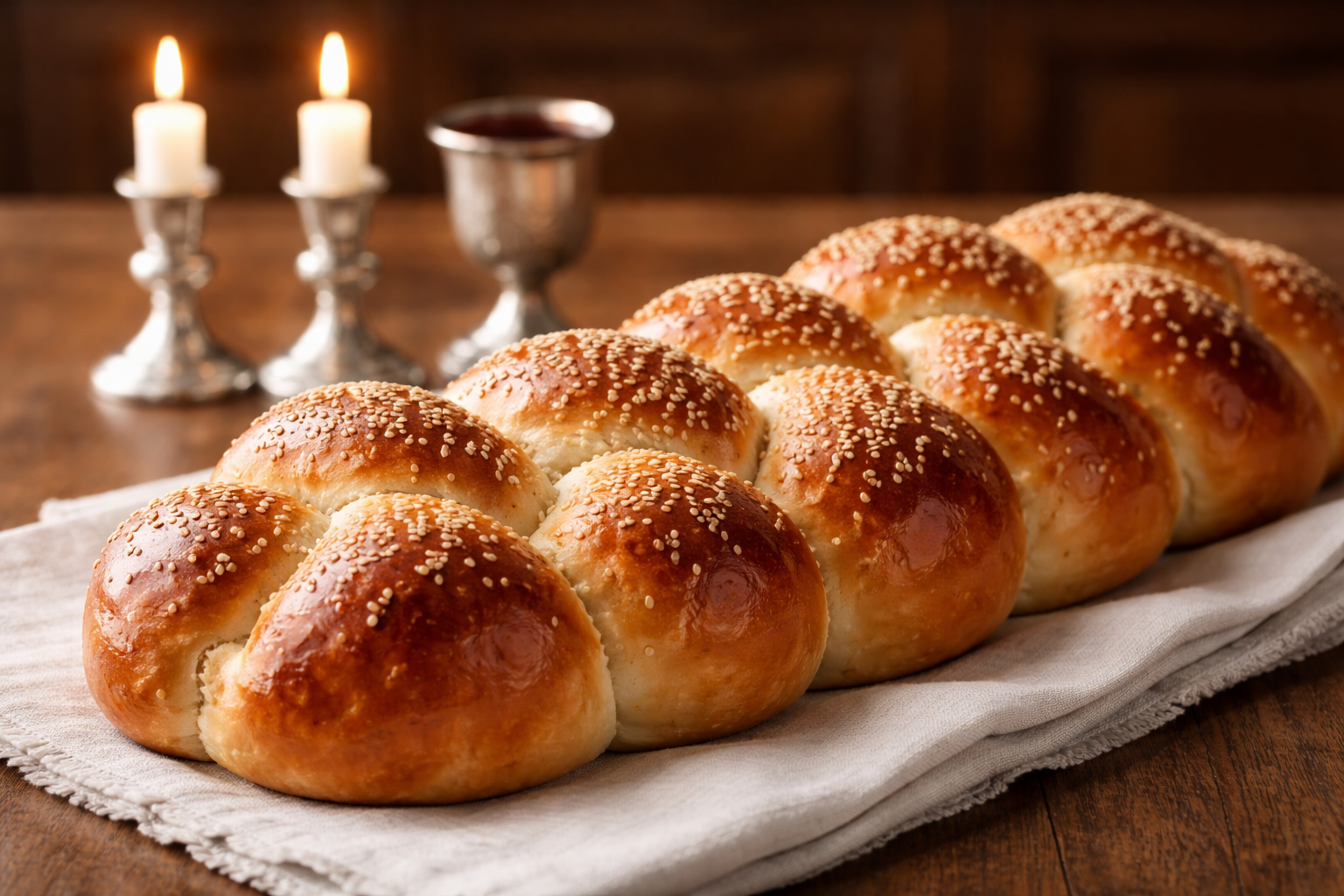
It is very proper, when possible, to knead and bake lechem mishneh at home every Friday in honor of Shabbat, enabling the woman of the house to separate challah according to halacha.
Some write that nowadays, when bakeries produce special challot for Shabbat, there is no obligation to bake at home for the sake of separating challah. However, in practice, even today there remains a mitzvah to knead dough at home and separate challah on Friday. The amount of flour requiring separation of challah is 1,560 grams. Any amount may be separated, since it is designated for burning in our times.
A Day Crowned With Intention
Shabbat does not honor itself. It is honored through our preparation, our intention, and the choices we make before and during it. From the meals we plan to the clothing we wear, from the fish on the table to the challah we separate, each detail becomes part of welcoming the Shabbat Queen with dignity and love.
When we invest in Shabbat, Shabbat, in turn, enriches us. It fills the home with blessing, the table with joy, and the heart with calm. Through kavod and oneg Shabbat, we do not merely observe a day of rest. We crown it.

