

Passover
Chametz and Matzah Explained: The Spiritual Meaning of Passover Cleaning and Inner Freedom
Discover why chametz becomes forbidden on Pesach, how matzah symbolizes humility and action, and the deeper spiritual lessons behind removing chametz from our homes and our lives
- Moshe Cohen
- | Updated
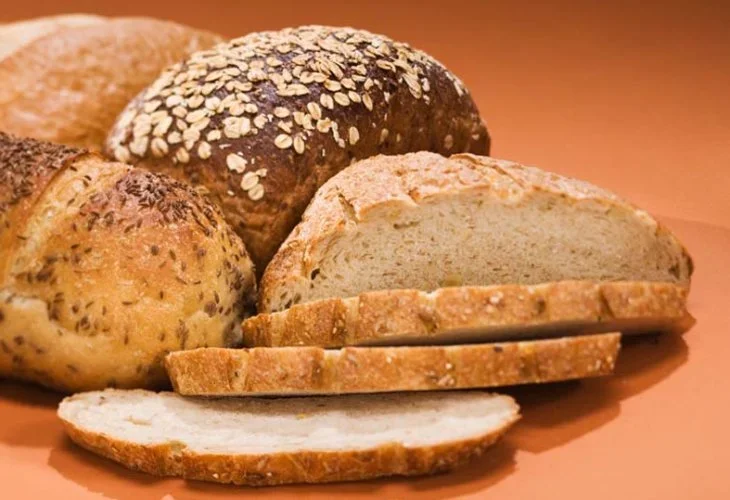
Pesach is fast approaching, and we begin searching energetically for chametz, removing it from cupboards, sofas, and even window tracks.
Only a few hours before the holiday begins, chametz is completely permitted. We could enjoy a fresh croissant filled with chocolate, thank God for it, and recite a blessing before eating.
Suddenly, days before Pesach, we clean every corner of the house, scrub thoroughly, and on the night of the thirteenth of Nissan we search for chametz by candlelight. If we find even a crumb, we burn it immediately. What changed? How did the familiar bread we eat all year suddenly become such a serious prohibition?
The Spiritual Nature of the Jewish Festivals
Rabbi Gad Lior explains that the festivals of Israel are not merely historical commemorations. In Kabbalistic writings, the word “chag” is connected to the idea of a cycle. Each year we return to the same spiritual point, and the divine influence that existed at that time reappears.
On the fifteenth of Nissan in the year 2448 from Creation, when the Jewish people left Egypt, an immense spiritual flow of freedom entered the world. Every year we can reconnect to that same energy.
On a simple level, matzah is dough that did not rise, reminding us that our ancestors’ dough did not have time to ferment. Spiritually, it represents something deeper. When our ancestors left Egypt, they did not hesitate or overanalyze. If they had begun calculating every detail, they might have missed the moment of redemption. Sometimes a person must act immediately when awakened from above, even without fully understanding everything.
Chametz and Matzah: Two Opposite Spiritual Forces
What is the spiritual difference between chametz and matzah?
Chametz is not just food. It symbolizes the evil inclination. Both chametz and matzah are made from flour and water. The difference lies in the time allowed for rising.
After flour and water are mixed, chametz rests and slowly expands. It becomes inflated, symbolizing two negative traits of laziness and pride. The evil inclination pushes a person toward inactivity and heaviness. Laziness can lead a person into spiritual confusion. Pride causes a person to feel entitled and react angrily when challenged.
These two traits cause people to miss important opportunities, sometimes even the purpose of their lives.
Matzah represents the good inclination. From the moment flour and water meet, the dough is kept in constant motion and never allowed to rest. If you visit a matzah bakery, you will see how the dough is handled continuously so it does not rise. Matzah symbolizes humility and diligence. A person who acts with humility and timely action does not miss opportunities and experiences genuine joy.
When the Jewish people leave slavery for freedom, they learn that true freedom requires humility and self awareness. By reducing ego, a person becomes truly free.
Why Must Chametz Be Removed From the Home?
One might ask, if chametz represents negative traits, why is it forbidden even to keep it in our possession during Pesach?
There is a special commandment called “bal yeraeh,” meaning that one may not see chametz that belongs to them. If a person sees their own chametz, they might forget and eat it. However, chametz that belongs to someone else does not carry the same concern.
On a deeper level, this teaches that a person must recognize their own areas of weakness and distance themselves from situations that may cause spiritual failure.
If Chametz Represents Negativity, Why Eat It All Year?
Rabbi Elazar, the son of Rabbi Shimon bar Yochai, asked this very question. The discussion appears in the Zohar. Rabbi Shimon explained that it is like a sick person who must take medicine. During Pesach, matzah is called the “bread of healing.” It strengthens the soul and weakens arrogance.
The Ramchal, Rabbi Moshe Chaim Luzzatto, explains that God wants us to live within the physical world throughout the year, but to exercise self control and not indulge excessively. Facing temptation is part of our mission, allowing us to use free choice to grow spiritually.
During Pesach, however, we remove chametz completely. This is not merely moderation but total abstention, a time to weaken physical cravings and reconnect to spiritual clarity.
Is Selling Chametz to a Non Jew Just a Formality?
Some people wonder whether selling chametz to a non Jew is merely symbolic. The answer is no. If the non Jew truly wishes to take ownership, they are permitted to do so. Usually the sale is arranged through a legal agreement in which all chametz in the city is sold for a significant sum. Even if payment is not completed immediately, ownership is transferred, with conditions determining when it may revert.
If the buyer actually brings the money during Pesach, the chametz must be handed over. In fact, there is even a custom that someone traveling away from home during Pesach leaves a key accessible, so that if the non Jewish buyer arrives to claim the chametz, it can be collected.
Pesach teaches that freedom is not simply the absence of slavery, but the ability to live with humility, clarity, and purposeful action. By removing chametz and embracing matzah, we symbolically move away from pride and laziness and step toward true inner freedom.

