

Magazine
From Poverty to a Legacy of Torah: The Power of Small Sacrifices
One room. Stale bread. Shared mattresses. From those humble beginnings rose a legacy of Torah leadership. A powerful story of sacrifice, faith, and the small acts that shape generations.
- Naama Green
- | Updated
 (Photo: Shutterstock)
Rabbi Chizkiyahu Mishkovsky recounts a remarkable story about the Shenkar family of Tel Aviv, a family that achieved something extraordinary in raising their children. Almost every one of their sons went on to become a rosh yeshiva.
When Rabbi Mishkovsky came to comfort the family after their mother passed away, he was astonished by what he learned about the conditions in which they had grown up.
One Room, One Mattress for Two
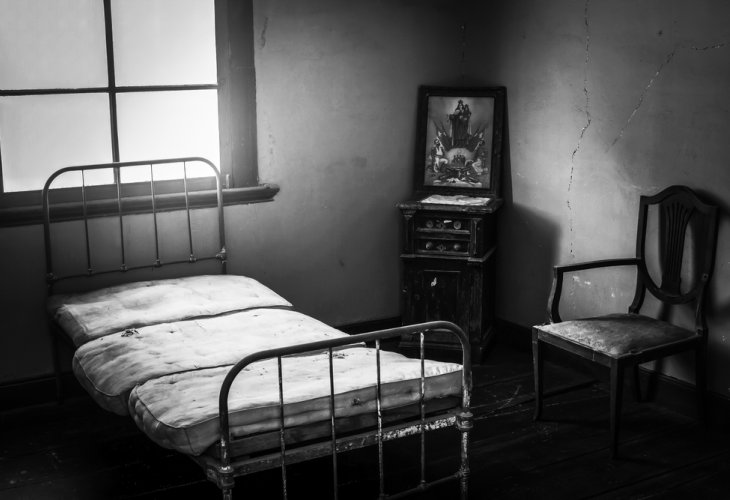
“They had just one room in the house, and that’s where everyone slept, parents and children, on mattresses laid on the floor. Every two children shared a single mattress. Since they didn’t have intact chairs, they would place a board between one chair and another and sit on that,” Rabbi Mishkovsky relates.
But the lack of space and furniture was not the hardest part.
“What was even harder was that there often wasn’t bread to eat. The father would buy day-old bread at the grocery, which was sold for cheaper. Today everything is modern. Groceries can return unsold bread to the bakeries. But back then, returning bread wasn’t a thing. If bread was left over, the price was marked down and people bought it at the discount.”
Turning Hardship Into Warmth
“To get the kids to eat the stale bread, the father would pour two cups of coffee over it and turn it into a kind of porridge. Still, it didn’t taste great. So he would sit and tell them stories, make them laugh, and that way they wouldn’t notice the taste of the coffee. By the time he finished the story, there was no bread left in their mouths,” Rabbi Mishkovsky says with admiration.
In a home without material comfort, there was warmth, creativity, and dignity.
On Shabbat, the father, Rabbi Tzvi, who was known for his diligence in Torah learning, would sit and study until 2:00 a.m., by the light of the wick stove on which the chamin was cooking.
Despite the poverty, Torah was central. Joy was present. And love filled the room.
A Small Act That Meant Everything
They told about him that when he was a young boy in Talmud Torah, the school had a “Good Kid” program. Each child was asked to share a good deed he had done that week.
When they asked him, “Tzvika! What good deed did you do?” he answered:
“I didn’t do anything special. In our home, two children sleep on one mattress. One night my younger brother, who sleeps with me, turned over in his sleep and lay across the bed instead of lengthwise. I didn’t want to wake him, so I lay across the bed too, and I couldn’t fall asleep the whole night. But the main thing is that I didn’t wake him.”
A small act. No fanfare. No audience. Just consideration for another person.
The Blessing of Small Acts
Rabbi Mishkovsky concludes with a powerful message:
“When a person does something small for the honor of Hashem and pushes through even when it’s hard, Hashem will repay them many times over. I saw, quoted in the name of one of the great sages, a careful reading of the blessing: ‘ha-gomel chasadim tovim.’ It doesn’t say ‘the One who does,’ but ‘the One who bestows,’ from the word for recompense. A person does something small, and Hashem gives him an enormous reward for it.”
From one crowded room, from stale bread and shared mattresses, emerged Torah leaders who shaped generations.
Sometimes the greatest foundations are built quietly, through small acts of kindness, sacrifice, and faith.

