

Behind the News
What Herzog’s Ethiopia Visit Says About Israel’s Expanding Focus in East Africa
Red Sea shipping under threat and Iranian-linked groups active nearby elevating Ethiopia’s importance to Israel
- Brian Racer
- | Updated
 Shutterstock
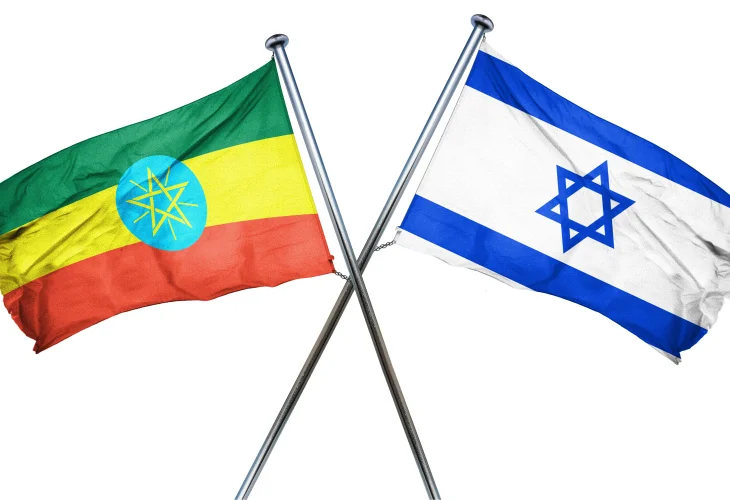
Israeli President Isaac Herzog is set to visit Ethiopia on Feb. 24–25, where he will meet President Taye Atske Selassie and Prime Minister Abiy Ahmed, a Nobel Peace Prize laureate. Officially, the trip is aimed at strengthening bilateral ties and expanding cooperation with African nations. For Israel, however, the visit is less about routine and more about positioning in a region increasingly tied to its security concerns.
Ethiopia sits in the Horn of Africa, near the Red Sea, one of the world’s busiest shipping routes linking Europe and Asia. For Israel, that sea is one of its most important trade routes to Asian markets. Across it in Yemen, the Iran-backed Houthi movement has launched missiles toward Israel and attacked commercial vessels. When shipping is disrupted there, Israeli imports and exports face delays, higher insurance costs and longer routes around Africa.
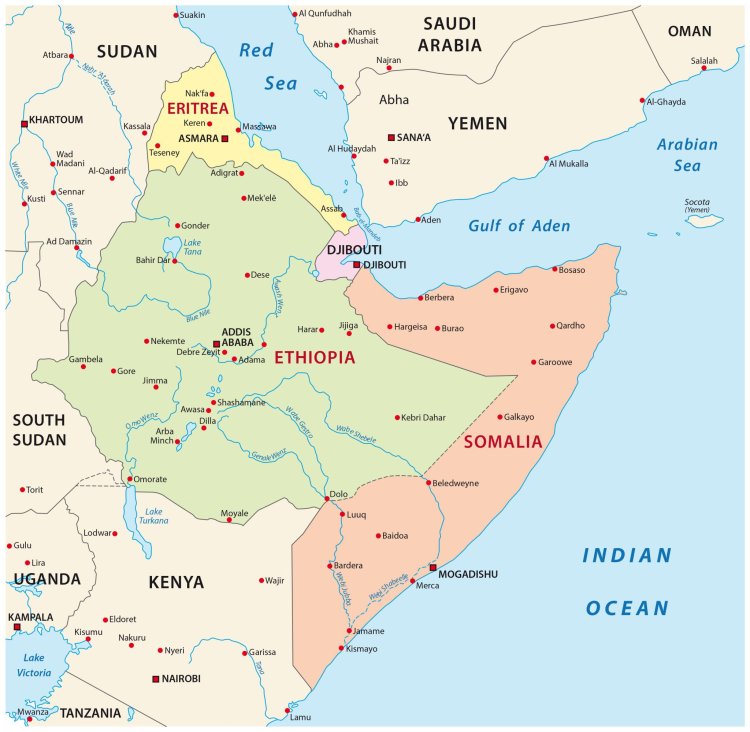
Although Ethiopia does not border Israel, its location places it near the two main arenas of these tensions: the Red Sea and Somalia. To Ethiopia’s east lies Somalia, where Al-Shabaab, a jihadist group, has carried out attacks across East Africa, including inside Ethiopia itself. Israeli officials have argued that these threats are connected, pointing to cooperation between the Houthis in Yemen and Al-Shabaab in Somalia. In their view, violence and disruption on both sides of the Red Sea can spill over and contribute to wider regional instability.
During a visit to Addis Ababa last year, Foreign Minister Gideon Sa’ar warned that the Houthis pose a shared danger. “Just yesterday, they hit near our airport with a missile,” Sa’ar said. “They are a threat to Israel, Africa and the international community.” He added, “Terrorism is a common threat,” stating that “Al-Shabaab collaborates with the Iran-backed Houthis.”
Sa’ar’s remarks reflect Israel’s effort to frame Red Sea and East African instability as a shared concern rather than a distant conflict. In that context, Herzog’s visit is meant to strengthen ties with a country that Israel sees as important in managing these regional threats. While a presidential trip does not change events on the ground in Yemen or Somalia, it can strengthen coordination and reinforce cooperation with one of the region’s most influential governments.
Ethiopia is home to more than 120 million people and plays a central role in East African politics. Its capital, Addis Ababa, hosts the headquarters of the African Union, making it one of the main places where African leaders meet and shape policy. For Israel, maintaining close ties ensures that as security tensions rise near the Red Sea, one of Africa’s key political actors remains engaged rather than detached.
The timing of the visit adds another layer of powers whose interests intersect in the Horn of Africa. Turkish President Recep Tayyip Erdoğan recently traveled to Ethiopia and publicly criticized Israel’s December 2025 recognition of Somaliland, a self-declared independent region in northern Somalia that is not widely recognized internationally. Turkey maintains close ties with Somalia, which opposes Somaliland’s independence.
At the same time, Israel’s relationship with Ethiopia is closely tied to the history of Ethiopian Jewry and their Aliyah to Israel, with major Aliyah operations that brought in tens of thousands of Ethiopian Jews. According to the Central Bureau of Statistics, Israel’s Ethiopian Jewish community numbered 177,600 people in 2024, about 2.3% of Israel’s Jewish population. In announcing the trip, the President’s Residence said it “reflects the historic bonds of friendship between the two peoples and marks a significant milestone in deepening cooperation between Israel and Ethiopia.” Herzog noted that the two nations “share a long history of diplomatic, cultural and people-to-people ties.”
Taken together, the visit reflects how developments in the Horn of Africa have become increasingly relevant to Israel’s security outlook. As Iranian-backed threats persist across the Red Sea and regional powers expand their presence in East Africa, Israel wants to ensure that one of Africa’s most influential countries stays a close partner as instability spreads across the region.

