

Passover
Quick-Start Guide to Kashering Your Kitchen Tools for Passover
Kashering for Passover does not have to be overwhelming. This practical guide explains what needs hagalah, what cannot be kashered, and how to get your kitchen Pesach ready with confidence.
- Shira Davush (Cohen)
- | Updated
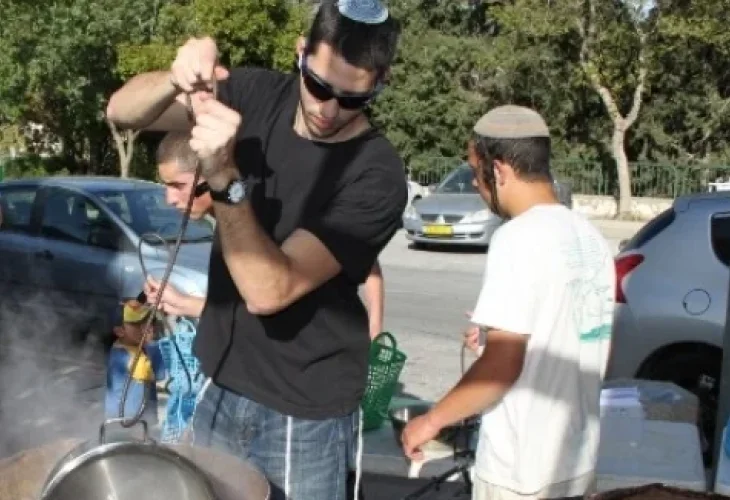 Koshering utensils for Passover with Hagalah
As Pesach approaches, many families review the laws of kashering their kitchens. One of the main methods used to make utensils kosher is hagalah, a process that removes absorbed taste through boiling water. Below is a clear and beginner friendly guide to understanding which utensils require hagalah and how to perform it properly.
Which Utensils Require Hagalah
Utensils that require hagalah are those into which prohibited food was mixed or cooked. This may include non kosher food, chametz on Pesach, or a meat utensil that absorbed dairy food and vice versa.
Any such utensil made of wood, stone, or metal must undergo hagalah.
In practice, the utensil is immersed in a pot of boiling water. Ideally, the water should be sixty times the volume of the utensil being kashered, allowing the absorbed taste to be expelled.
After immersion in boiling water, the utensil should be plunged into cold water. This final step completes the kashering process.
The entire utensil does not need to be submerged at once. You may immerse one half first and then the other.
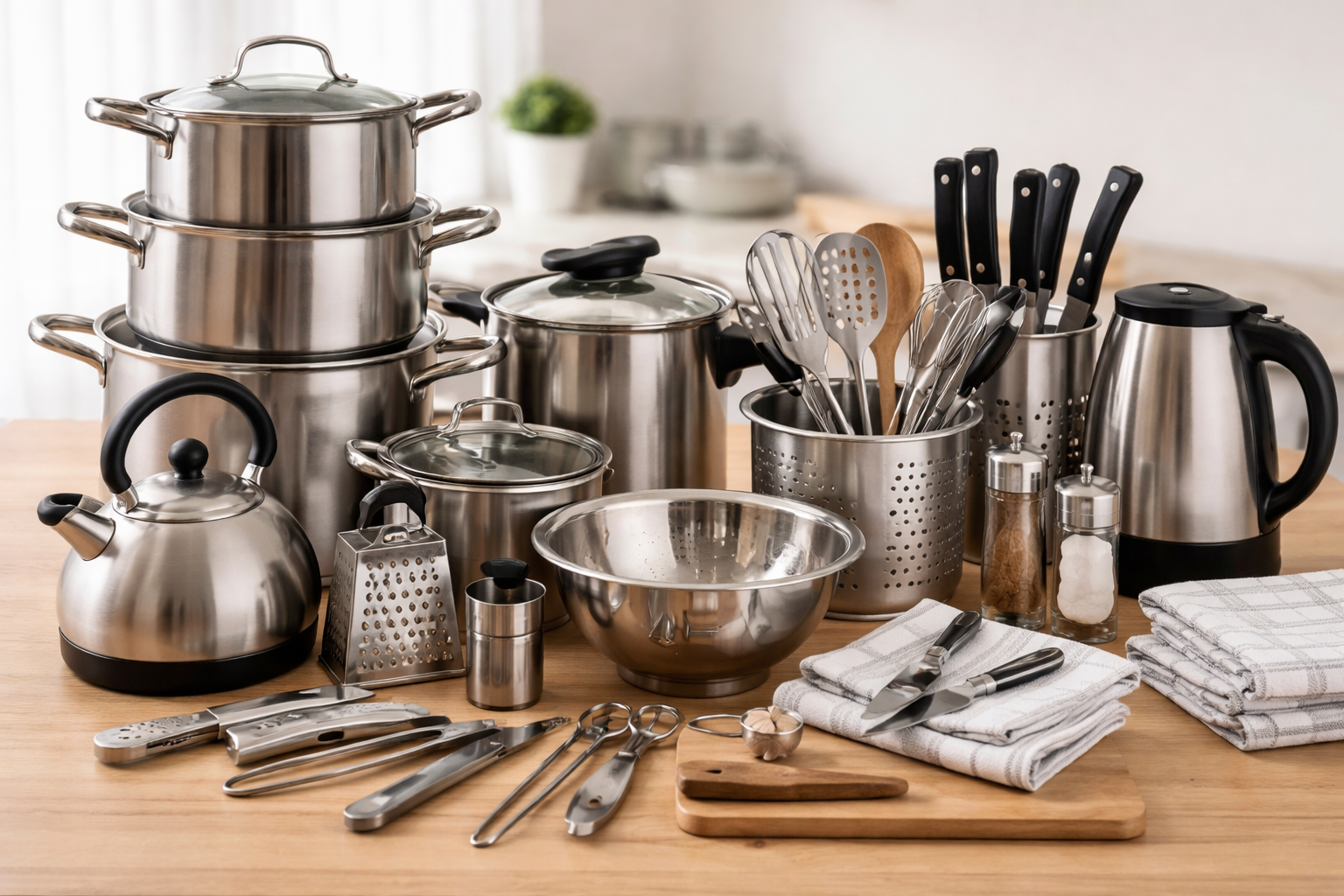
Special Cases: How to Kasher Common Kitchen Items
Rusty pots
Before kashering, scrub the pot thoroughly with steel wool and dish soap to remove as much rust as possible. If some rust remains, hagalah may still be performed. However, if there are grooves filled with rust that cannot be cleaned, the pot requires libun before hagalah.
Flatware and small utensils
Ideally, each item should be kashered separately. However, small items such as flatware may be placed together in a basket and immersed at the same time, provided there is space between them so the water can reach all surfaces.
Pressure cooker
Remove the handles and scrub the connection points thoroughly with steel wool. Perform hagalah separately on the pot, the lid, and the handles.
Stainless steel pot
If the handles are solid and not hollow, scrub all parts well to remove grease and residue, then perform hagalah. If the handles are hollow and difficult to clean underneath, the pot cannot be kashered.
Enamel pots
Hagalah is not effective for enamel cookware. Enamel is treated like earthenware, and earthenware cannot be kashered.
Teflon cookware
Hagalah does not work for Teflon pans and similar items. Teflon is considered a type of plastic, and hagalah is not effective for plastic materials.
Hot water urn
If the urn is used only for water, it does not require hagalah. A thorough cleaning is sufficient. If there is concern that hot water from the urn was poured directly onto chametz, clean it well of scale, fill it completely with water, and bring it to a boil.
The same applies to an electric kettle. In addition, boiling water should be poured over the exterior of the kettle.
Stainless steel grater
If it was not used with chametz, washing thoroughly with soap and water is enough. If there is concern it came into contact with chametz, scrub it well with steel wool and soap, then pour boiling water over it.
Peeler
Ideally, a peeler does not require hagalah or libun. If it was washed in hot water together with chametz utensils, wash it thoroughly with soap and water, scrub it well, and pour boiling water over it.
Metal salt shaker
Since it does not usually come into direct contact with bread, washing with soap and water is sufficient. If there is concern that hot chametz fell into it, clean it thoroughly and pour boiling water over it.
Garlic press
Ideally, washing is sufficient. However, if it came into contact with a chametz knife while extracting garlic, it requires hagalah.
Can opener
A can opener does not require hagalah. Thorough cleaning is sufficient.
Preparing Your Kitchen with Confidence
Understanding the basics of hagalah makes kashering for Pesach far less overwhelming. With proper cleaning and careful attention to each utensil’s material and use, you can prepare your kitchen in accordance with halacha and welcome the holiday with confidence and peace of mind.

