

Passover
The Seder as Living Proof: Why the Exodus Cannot Be Denied
For over 3,000 years, Jewish families have testified to the Exodus on Seder night. Discover why this unbroken chain is powerful historical evidence.
- Eran Ben Yishai
- | Updated
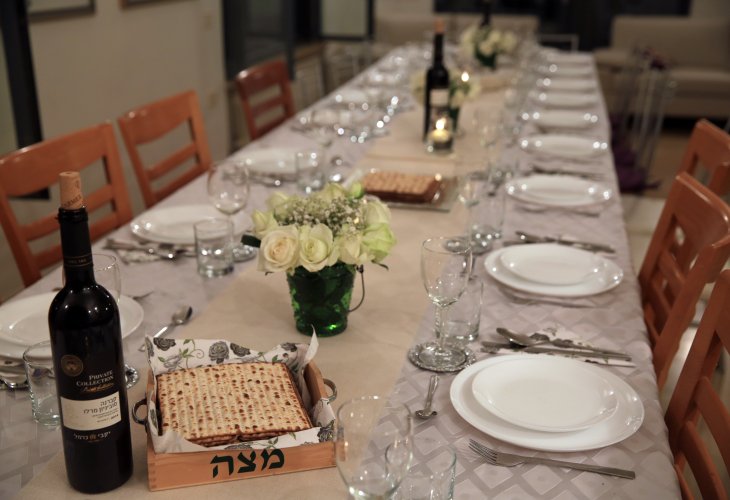 (Illustrative photo: Nati Shohat/Flash 90)
Every year, on the night of the 15th of Nisan, Jewish families across the world gather around the Seder table to fulfill a Torah commandment: to recount the Exodus from Egypt.
This is not merely storytelling. It is testimony. It is memory. It is living history passed from parent to child for more than three thousand years.
The Mitzvah to Tell the Story
The Rambam writes that we are commanded to recount the Exodus on the night of the 15th of Nisan, at the beginning of the night, each person according to their ability to speak and explain. Whoever elaborates, describes the suffering we endured, the punishment Hashem brought upon the Egyptians, and expresses gratitude for His kindness, is praiseworthy.
The Haggadah famously declares: Even if we are all wise, all understanding, all knowledgeable in the Torah, it is still a mitzvah upon us to tell of the Exodus from Egypt.
The message is clear. No Jew is exempt. No level of scholarship replaces this obligation. The story must be told again and again.
A Chain of Historical Testimony
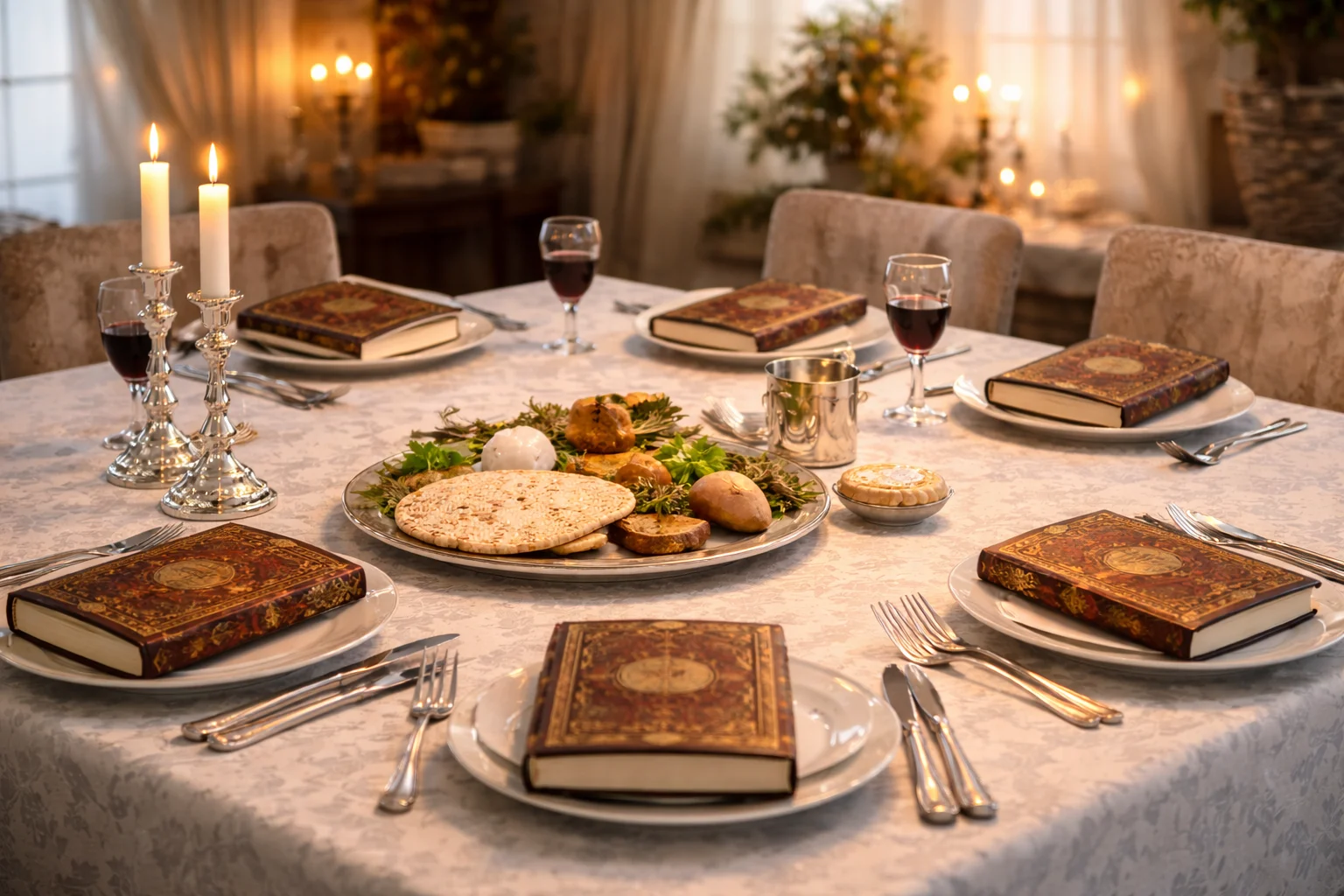
Throughout history, in every land to which the Jewish people were exiled, parents faithfully transmitted to their children the story of slavery in Egypt and the redemption that followed. Those children, when they became parents, passed the same tradition to their own children.
The Ramban explains that when parents testify to their children about events that shaped their national identity, the children accept it as certain truth. A parent would not deliberately bequeath falsehood or emptiness to their child. The continuity of testimony itself becomes proof.
When a person reflects honestly on the unbroken chain of tradition, the Exodus must be recognized as historical fact. The Seder night is powerful testimony to that reality.
The Seder as Evidence
Rabbi Yisrael Meir Lau writes that the commandments of Seder night are themselves testimony. They preserve, in every generation, the miracles and wonders Hashem performed in Egypt.
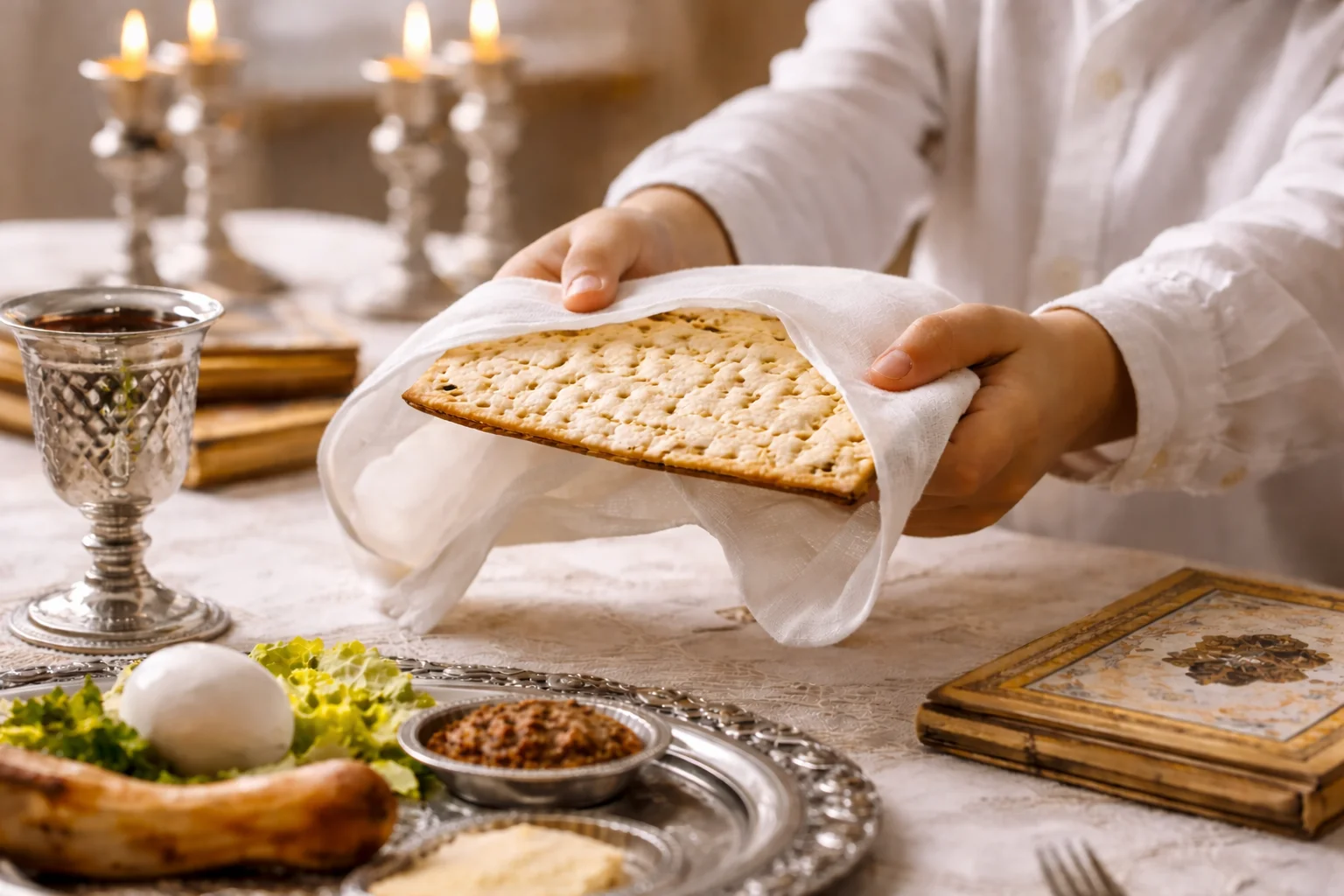
That is why we tell the story at a time when matzah and maror are set before us. The symbols make the testimony concrete and complete.
Even those who attempt to reinterpret the miracles with strained natural explanations do not dare to say, “It never happened.” They may search for alternative theories, but they cannot erase the event itself.
When a grandfather returns from synagogue and places the Seder plate on the table, with charoset, three matzot, the shank bone, the egg, and the cup of Elijah, something powerful fills the room. No grandchild sitting at that table can easily declare that the Exodus is fiction. At that moment, even the greatest skeptic feels the weight of history.
This testimony is stronger than argument.
You Cannot Invent a Memory
Rabbi Mordechai Neugroschel explains that Jewish observance is not a newly invented tradition. We keep these mitzvot because our parents kept them. They kept them because their parents did. And so on, back through the generations.
It is possible to preserve memory. It is not possible to create a national memory from nothing and convince an entire people that their ancestors witnessed events that never occurred.
Those who first began observing the mitzvot of Pesach must have been eyewitnesses to the events themselves. Otherwise, the chain could never have begun.
Faith Under Fire: Pesach in the Vilna Ghetto
The devotion of the Jewish people to the Seder inspires awe.
In the Vilna Ghetto during the Holocaust, despite hunger, fear, and despair, Jews made great efforts to celebrate Pesach. Matzah baking machines were set up. Matzot were distributed according to ration cards. Some people deprived themselves for months so they could have enough matzah for the holiday.
Families conducted Seders in crowded rooms. In 1943, collective Seders were held in kitchens, schools, and dormitories.
Even under the harshest conditions, the chain was not broken.
A Night of National Witness
Each year, Jews across the globe sit at the Seder table and bear witness together. We testify that Hashem redeemed us from slavery, brought us to freedom, and gave us His Torah.
The Seder is not only remembrance. It is declaration. It is living proof that the Exodus from Egypt is not a distant legend but the foundation of our identity as a people.
As long as Jewish families gather on Pesach night to tell the story, the testimony continues. And with it, the unbroken chain of faith endures.

