

Purim
Why Are Hamantaschen Called Haman’s Ears?
Discover the surprising history behind hamantaschen, and learn how this iconic treat got its unique name
- Debbie Reichman
- | Updated
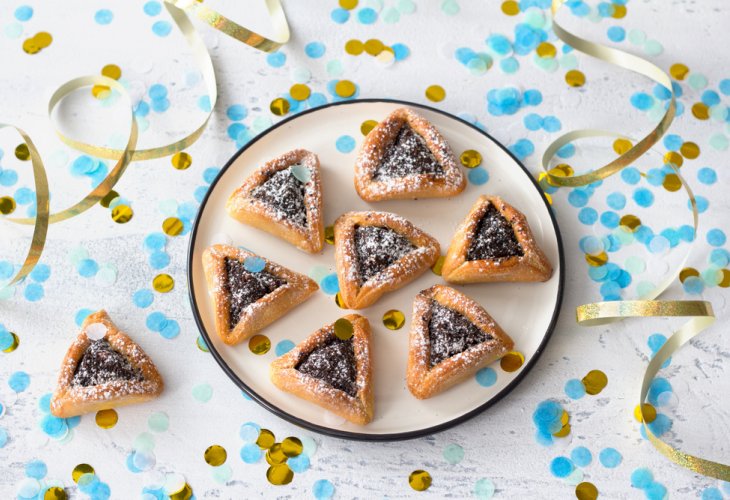 (Photo: shutterstock)
Purim is getting closer, and you can already see hamantaschen everywhere, ready to be placed in mishloach manot and served at the Purim feast.
But why are they called “Haman’s ears”? Where did this name for the popular pastry come from?
From “Poppy Pockets” to Haman’s Ears
Originally, hamantaschen were a common German pastry — dough pockets filled with poppy seeds. Their German name was Mohn Taschen, or in Yiddish pronunciation, Homentashn, which simply means “poppy pockets.”
Jewish communities in Germany and Italy adopted the pastry. Because its name sounded similar to that of the enemy of the Jewish people, Haman, and due to a gradual shift in pronunciation — combined with the pastry’s distinctive shape — the “poppy pockets” eventually became known as “Haman’s ears.” This may also have been influenced by a Midrash that describes Haman arriving before the king in shame, with his ears symbolically “cut” or diminished.
What Is the Poppy Filling?
The poppy plant includes about 120 species, nine of which grow in the Land of Israel. Its flowers are usually red, though they can also appear in purple, pink, or white. Inside the poppy fruit are many tiny dry seeds.
These seeds are used in the production of certain anesthetic substances, but they are also widely used as a spice and food ingredient, especially in baking. Indeed, hamantaschen are probably the most familiar poppy-filled food in Israel, though poppy seed cakes are also common, and the seeds are often sprinkled on challah instead of the more familiar sesame seeds.
In Balkan countries, poppy seeds are used to make sweets similar to sesame brittle, while in Indian and Pakistani cuisine they are frequently added to thicken and enrich various dishes.
So, how do you like your hamantaschen?

