

Passover
Kitniyot on Passover: Who Eats What And Why
Who can eat kitniyot on Passover, and why do some keep stricter customs? A quick, practical guide.
- Yosef Goldfrandi
- | Updated
 (Photo: Shutterstock)
As Pesach approaches, one of the most common questions is about kitniyot. Are they chametz? Are they allowed? Why do some Jews eat them and others avoid them?
Here is a clear, beginner-friendly guide to understanding kitniyot on Pesach according to halacha.
What Is Chametz According to the Torah
The Torah forbids chametz on Pesach. Only five grains can become true chametz: wheat, barley, oats, rye, and spelt.
According to all halachic authorities, kitniyot cannot become chametz. They are not chametz and are inherently permitted on Pesach.
What Are Kitniyot
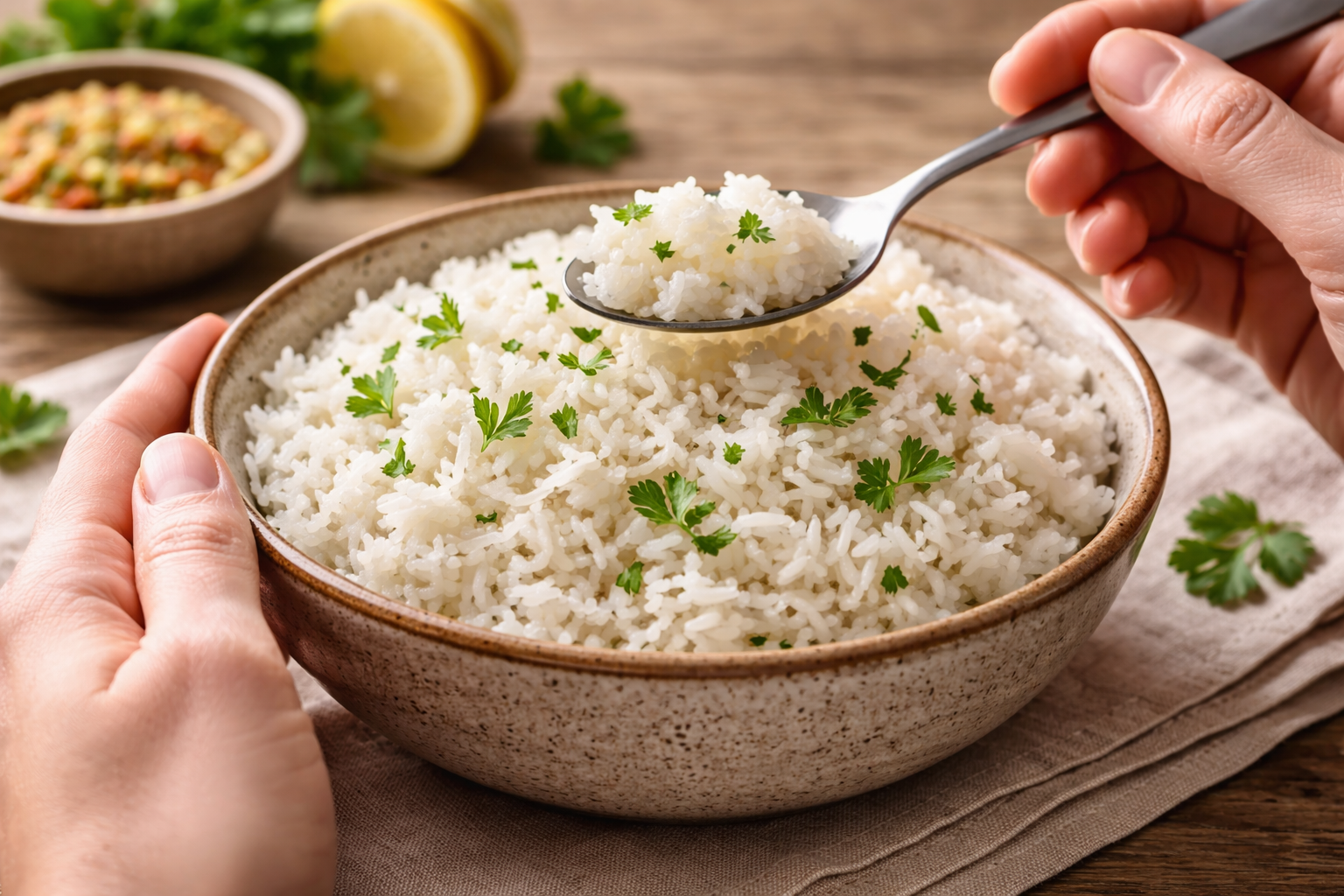
Kitniyot include foods such as chickpeas, beans, corn, peas, millet, fava beans, rice, caraway, sesame, black eyed peas, and similar items.
Although kitniyot are not chametz, some communities adopted the custom to avoid them on Pesach.
Why Some Authorities Forbid Kitniyot
Several reasons are given for the custom of avoiding kitniyot:
Some kitniyot resemble grains. If people cook them, they might mistakenly cook actual wheat.
Some kitniyot are milled into flour, such as corn. There is concern that people might confuse corn flour with wheat flour.
In earlier generations, kitniyot and wheat were often stored in the same sacks. There was concern that wheat kernels could become mixed in.
Sephardim and Ashkenazim
Sephardim generally do not accept the stringency of avoiding kitniyot and follow the rulings of the Shulchan Aruch, which permits them. Some Sephardi families, however, have adopted the custom to be strict.
Ashkenazim follow the custom to avoid kitniyot on Pesach. Ashkenazim who maintain this custom should not change it, even through hatarat nedarim.
Checking Kitniyot Before Pesach
Since kitniyot are not chametz, Sephardim may eat them on Pesach. However, they must be carefully checked before the holiday to ensure no wheat kernels are mixed in.
Traditionally, rice and other kitniyot were checked three times. Today, since many products are commercially cleaned, one careful and thorough check is generally sufficient.
A Sephardi Who Wants to Begin Eating Kitniyot
Some Sephardim have the custom to avoid kitniyot. A Sephardi who wishes to begin eating them should consider the following:
If he knew that kitniyot are permitted in principle and was simply being strict, he must perform hatarat nedarim before changing his practice.
If he believed that avoiding kitniyot was binding law and not merely a stringency, he may begin eating them without hatara.
If someone was strict only because of his parents’ household and is now married and wishes to follow the general Sephardi practice, he may do so without hatara. Nevertheless, it is proper to consult a halachic authority.
Families who moved to Israel and maintained ancestral stringencies are not obligated to continue them. They may perform hatara and follow the rulings of the Shulchan Aruch, which is considered the primary halachic authority in the Land of Israel.
An Ashkenazi Guest in a Sephardi Home
A Sephardi host should not serve kitniyot to an Ashkenazi guest who avoids them.
However, an Ashkenazi guest may eat in a Sephardi home using utensils in which kitniyot were cooked, since kitniyot are not inherently prohibited. The avoidance is a custom, not a Torah prohibition.
Marriage and Kitniyot
An Ashkenazi woman married to a Sephardi may perform hatarat nedarim and adopt her husband’s custom, including eating kitniyot.
If she has not performed hatara and still refrains from kitniyot, she may nevertheless cook kitniyot for her husband.
A Sephardi woman married to an Ashkenazi should not cook kitniyot in her husband’s home. However, when visiting her parents, she may eat kitniyot with them.
Cooking and Selling Kitniyot
Someone who refrains from eating kitniyot may cook them for others, even on Yom Tov.
There is no need to sell kitniyot to a non Jew before Pesach. They may be kept in the home during the holiday.
A Convert and Kitniyot
A ger tzedek who converts in Israel should follow the rulings of the Shulchan Aruch and may eat kitniyot on Pesach, even if his ancestors were Ashkenazim.
Stringencies and Public Practice
While individuals may choose to adopt additional stringencies, public teaching should follow the rulings of the Shulchan Aruch. Those who wish to be strict may do so in their own homes.
Understanding the difference between chametz and kitniyot brings clarity and peace to Pesach preparation. With proper knowledge, families can observe the holiday according to their tradition with confidence and unity.

